
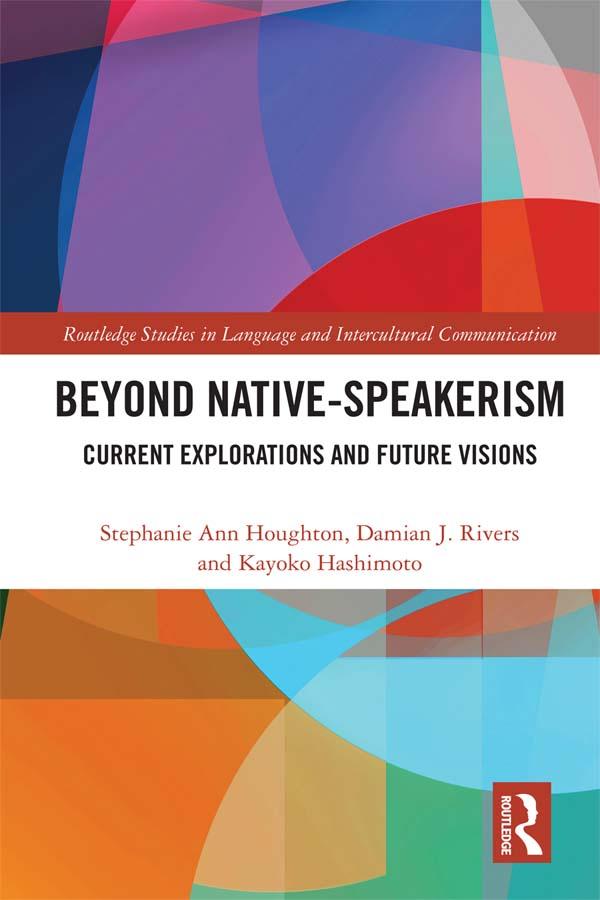
Despite unsubstantiated claims of best practice, the division of language-teaching professionals on the basis of their categorization as ‘native-speakers’ or ‘non-native speakers’ continues to cascade throughout the academic literature. It has become normative, under the rhetorical guise of acting to correct prejudice and/or discrimination, to see native-speakerism as having a single beneficiary – the ‘native-speaker’ – and a single victim – the ‘non-native’ speaker. However, this unidirectional perspective fails to deal with the more veiled systems through which those labeled as native-speakers and non-native speakers are both cast as casualties of this questionable bifurcation. This volume documents such complexities and aims to fill the void currently observable within mainstream academic literature in the teaching of both English, and Japanese, foreign language education. By identifying how the construct of Japanese native-speaker mirrors that of the ‘native-speaker’ of English, the volume presents a revealing insight into language teaching in Japan. Further, taking a problem-solving approach, this volume explores possible grounds on which language teachers could be employed if native-speakerism is rejected according to experts in the fields of intercultural communicative competence, English as a Lingua Franca and World Englishes, all of which aim to replace the ‘native-speaker’ model with something new.
Zahle einfach mit Karte, Klarna, Apple Pay oder Google Pay. Nicht zufrieden? Du hast immer ein 14-tägiges Widerrufsrecht. Lies mehr in unseren AGB. Hast du Fragen, schreib uns eine E-Mail an hello@memmo.org.
Memmo macht das Lernen einfacher – wo auch immer du bist. Bei uns findest du deine Kursbücher und smarte Lerntools an einem Ort: Zusammenfassungen, Quizzes, Podcasts und Lernkarten. Und Ted, dein Lernbuddy, beantwortet alles, was du wissen möchtest. Über 50.000 Studierende lernen bereits hier – gemacht, damit du schneller lernst und weniger Stress hast.