
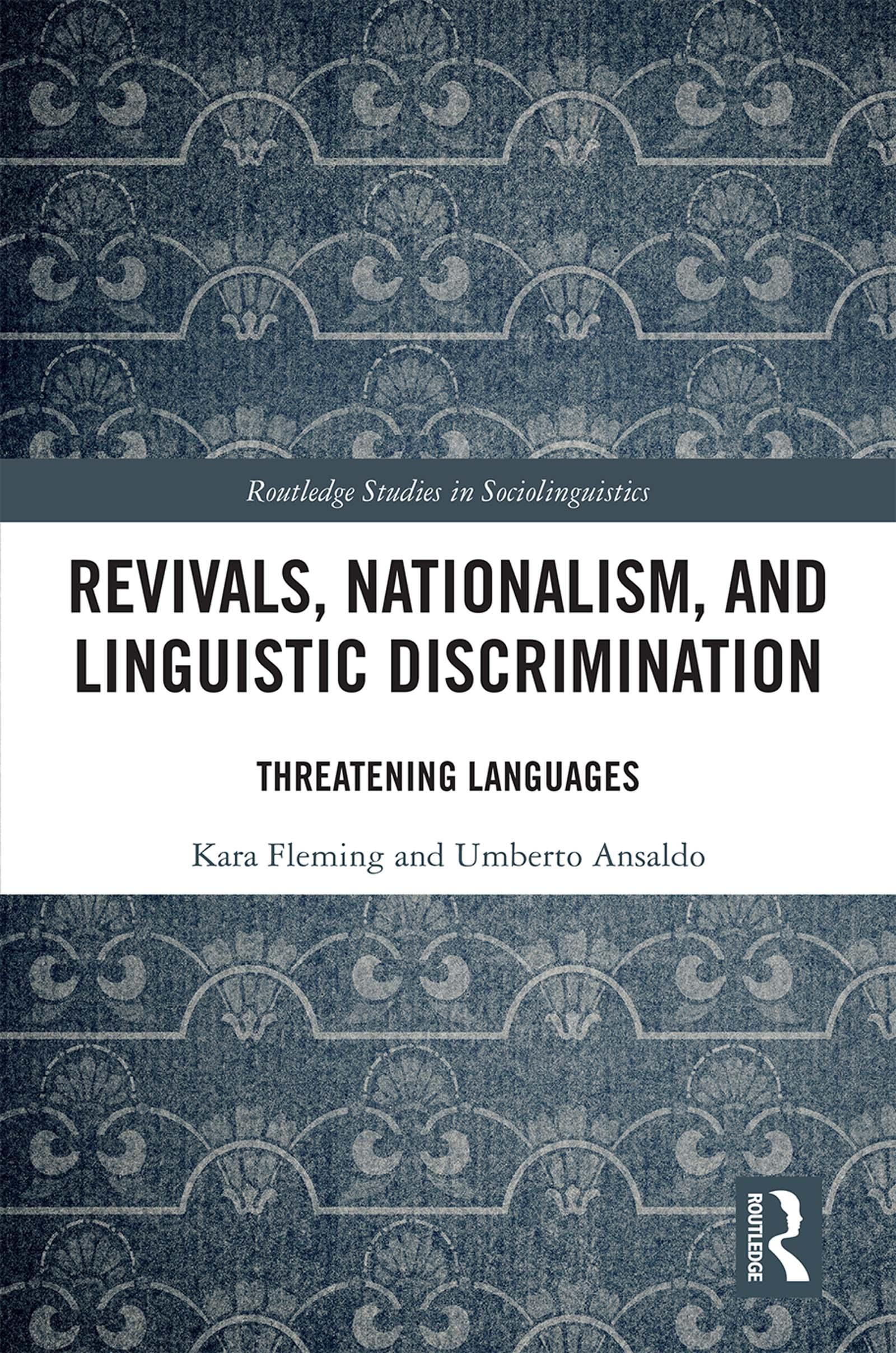
Is linguistic revival beneficiary to the plight of newly emerging, peripheral or even ‘threatened’ cultures? Or is it a smokescreen that hides the vestiges of ethnocentric ideologies, which ultimately create a hegemonic relationship? This book takes a critical look at revival exercises of special historical and geopolitical significance, and argues that a critical and cautious approach to revival movements is necessary.
The cases of Sinhala, Kazakh, Mongolian, Catalan, and even Hong Kong Cantonese show that it is not through linguistic revival, but rather through political representation and economic development, that the peoples in question achieve competitiveness and equality amongst their neighbors. On the other hand, linguistic revival in these and other contexts can, and has been, used to support nationalist or ethnocentric agendas, to the detriment of other groups, recreating the same dynamics that generated the argument for revival in the first place. This book argues that respect for linguistic and other diversity, multilingualism and multiculturalism, is not compatible with linguistic revival that mirrors nation-building and essentializing identity construction.
Zahle einfach mit Karte, Klarna, Apple Pay oder Google Pay. Nicht zufrieden? Du hast immer ein 14-tägiges Widerrufsrecht. Lies mehr in unseren AGB. Hast du Fragen, schreib uns eine E-Mail an hello@memmo.org.
Memmo macht das Lernen einfacher – wo auch immer du bist. Bei uns findest du deine Kursbücher und smarte Lerntools an einem Ort: Zusammenfassungen, Quizzes, Podcasts und Lernkarten. Und Ted, dein Lernbuddy, beantwortet alles, was du wissen möchtest. Über 50.000 Studierende lernen bereits hier – gemacht, damit du schneller lernst und weniger Stress hast.