
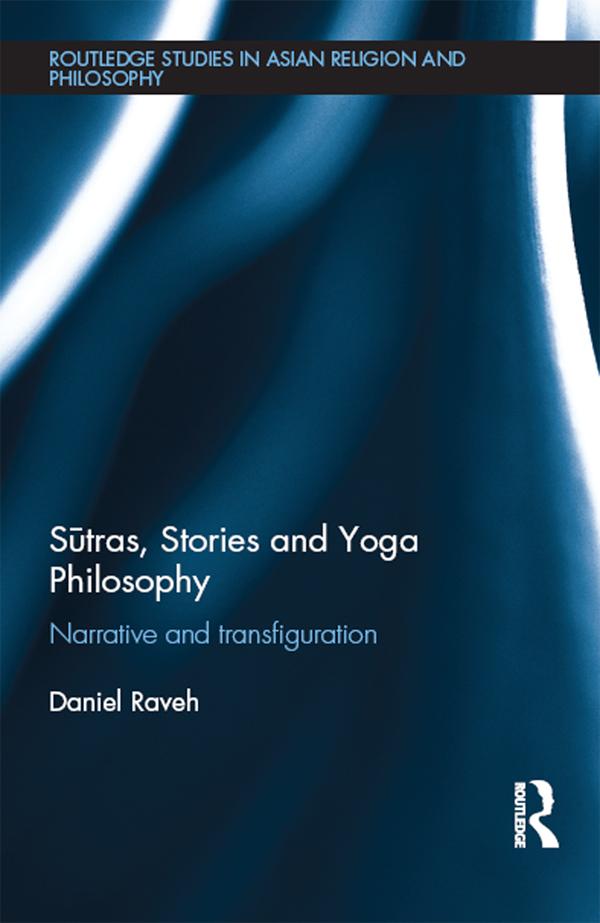
This book presents a close reading of four Indian narratives from different time periods (epic, Upaniṣadic, pre-modern and contemporary): Ekalavya's story from the Mahābhārata (MBh 1.123.1-39), the story of Prajāpati, Indra and Virochana from the Chāndogya Upanisad (CU 8.7.1-8.12.5), the story of Śankara in the King's body from the Śankaradigvijaya, and A.R. Murugadoss's Hindi film Ghajini (2008), respectively. These stories are thematically juxtaposed with Pātañjala-yoga, namely Patañjali's Yogasūtra and its vast commentarial body. The sūtras reveal hidden philosophical layers. The stories, on the other hand, contribute to the clarification of "philosophical junctions" in the Yogasūtra. Through sūtras and stories, the author explores the question of self-identity, with emphasis on the role of memory and the place of body in identity-formation. Each of the stories diagnoses the connection between self-identity and (at least a sense of) freedom.
Employing cutting-edge methodology, crossing the boundaries of literary theory, story-telling, and philosophical reflection, this book presents fresh interpretations of Indian thought. It is useful to specialists in Asian philosophy and culture.
Zahle einfach mit Karte, Klarna, Apple Pay oder Google Pay. Nicht zufrieden? Du hast immer ein 14-tägiges Widerrufsrecht. Lies mehr in unseren AGB. Hast du Fragen, schreib uns eine E-Mail an hello@memmo.org.
Memmo macht das Lernen einfacher – wo auch immer du bist. Bei uns findest du deine Kursbücher und smarte Lerntools an einem Ort: Zusammenfassungen, Quizzes, Podcasts und Lernkarten. Und Ted, dein Lernbuddy, beantwortet alles, was du wissen möchtest. Über 50.000 Studierende lernen bereits hier – gemacht, damit du schneller lernst und weniger Stress hast.