
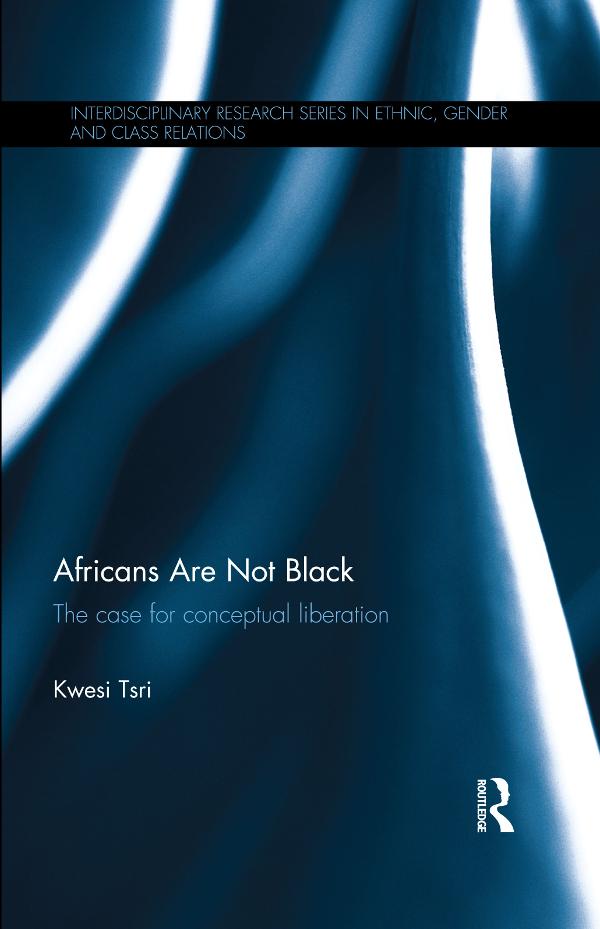
Africans are not literally black, yet they are called black. Why? This book explores the genesis and evolution of the description of Africans as black, the consequences of this practice, and how it contributes to the denigration (blackening) and dehumanisation of Africans. It uses this analysis to advance a case for abandoning the use of the term ‘black’ to describe and categorise Africans. Mainstream discussions of the history of European racism have generally neglected the role of black and white colour symbolisms in sustaining the supposed superiority of those labelled white over those labelled black. This work redresses that neglect, by tracing the genesis of the conception of Africans as black in ancient Greece and its continued employment in early Christian writings, followed by an original, close analysis of how this use is replicated in three key representative texts: Shakespeare's Othello, the translation of the Bible into the African language Ewe, and a book by the influential Ghanaian religious leader, Mensa Otabil. It concludes by directly addressing the argument that ‘black’ can be turned into a positive concept, demonstrating the failure of this approach to deal with the real problems raised by imposing the term ‘black’ on its human referents.
Zahle einfach mit Karte, Klarna, Apple Pay oder Google Pay. Nicht zufrieden? Du hast immer ein 14-tägiges Widerrufsrecht. Lies mehr in unseren AGB. Hast du Fragen, schreib uns eine E-Mail an hello@memmo.org.
Memmo macht das Lernen einfacher – wo auch immer du bist. Bei uns findest du deine Kursbücher und smarte Lerntools an einem Ort: Zusammenfassungen, Quizzes, Podcasts und Lernkarten. Und Ted, dein Lernbuddy, beantwortet alles, was du wissen möchtest. Über 50.000 Studierende lernen bereits hier – gemacht, damit du schneller lernst und weniger Stress hast.