
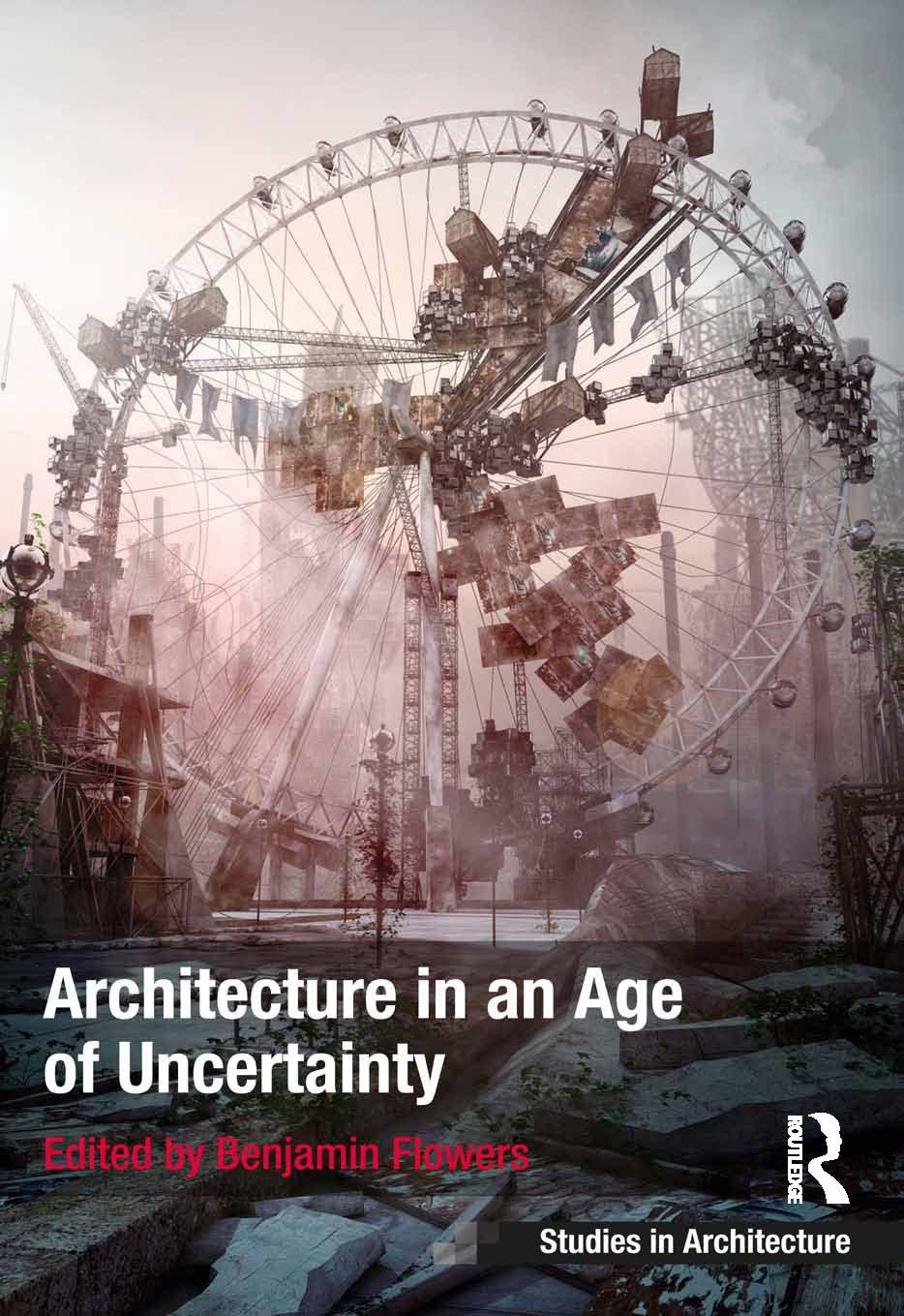
In the past two decades economic bubbles inflated and architectural spending around the globe reached fever pitch. In both well-established centers of capital accumulation and far--flung locales, audacious building projects sprang up, while the skyscraper, heretofore more commonly associated with American capitalism, seemed as if it might pack up and relocate to Dubai and Shanghai. Of course, much has changed in the past couple of years. In formerly free-spending Dubai, the tallest building in the world is now is named after the president of Abu Dhabi after he stepped in with last--minute debt financing. In cities across the United States, housing prices have nose-dived and cleared lots sit ready for commercial redevelopment that likely won't take place for another decade. Similar stories are not hard to find in many other nations. Architecture firms that swelled in flush days are jettisoning employees at a startling rate. In the context of economic instability (and its attendant social and political consequences), this edited volume brings together scholars, critics, and architects to discuss the present state of uncertainty in the practice and discipline of architecture. The chapters are organized into three main areas of inquiry: economics, practice, and technology. Within this larger framework, authors explore issues of security, ecological design, disaster architecture, the future of architectural practice, and the ethical obligations of the social practice of design. In doing so, it argues that this period has actually afforded architecture a valuable moment of self-reflection, where alternative directions for both the theory and practice of architecture might be explored rather than continuing with an approach which was so nurtured by capitalist prosperity and affluence.
Zahle einfach mit Karte, Klarna, Apple Pay oder Google Pay. Nicht zufrieden? Du hast immer ein 14-tägiges Widerrufsrecht. Lies mehr in unseren AGB. Hast du Fragen, schreib uns eine E-Mail an hello@memmo.org.
Memmo macht das Lernen einfacher – wo auch immer du bist. Bei uns findest du deine Kursbücher und smarte Lerntools an einem Ort: Zusammenfassungen, Quizzes, Podcasts und Lernkarten. Und Ted, dein Lernbuddy, beantwortet alles, was du wissen möchtest. Über 50.000 Studierende lernen bereits hier – gemacht, damit du schneller lernst und weniger Stress hast.
Das könnte dir auch gefallen
Buch kaufen0