
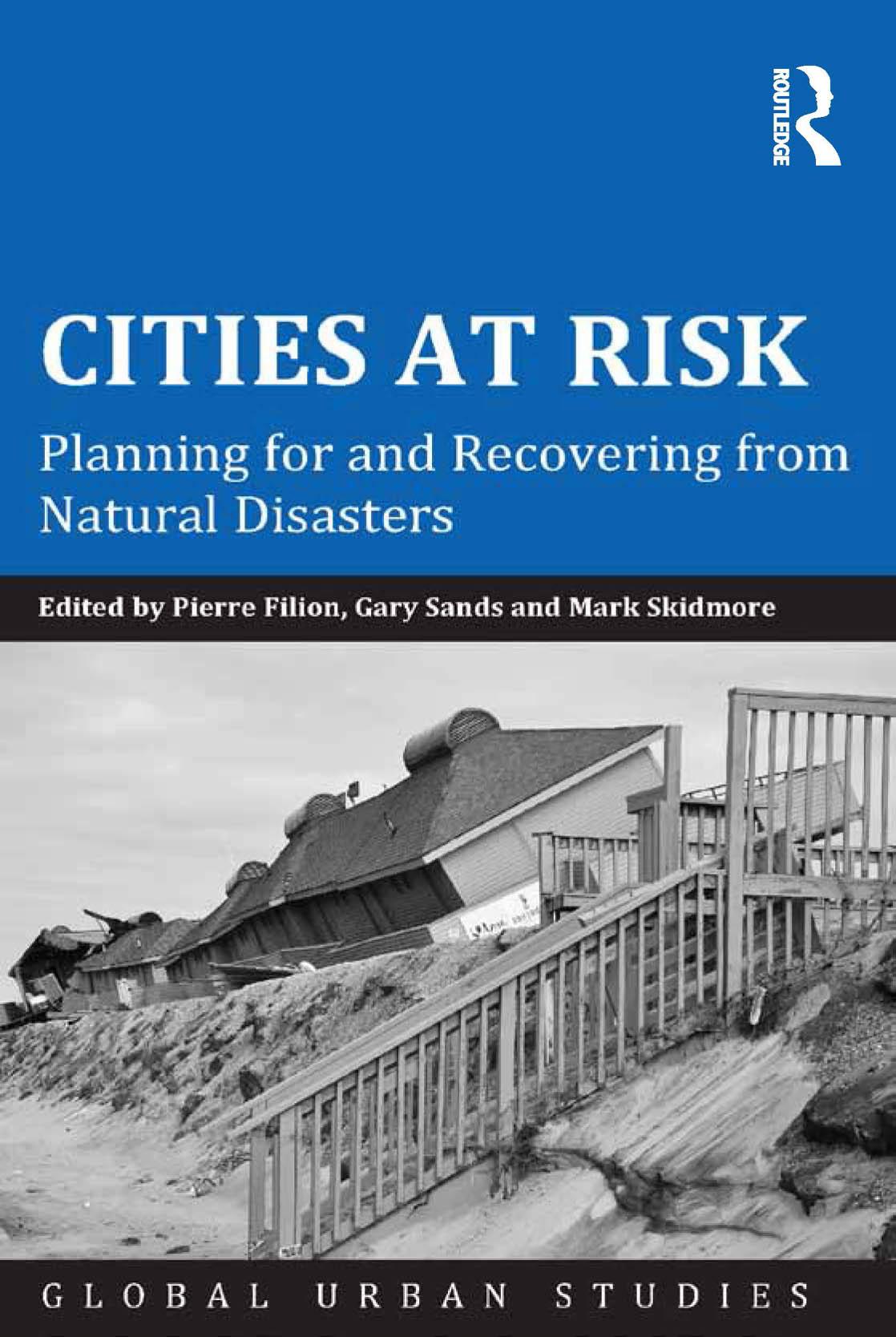
As levels of urbanization increase around the world, the growing concentrations of population and economic activity increases vulnerability to natural disasters. Interdependencies among urban populations mean that damage to the built environment, including water, sewer and energy infrastructure, can affect millions. Even if there is no change in the rate of occurrence of natural disasters (an unlikely prospect in the face of ongoing climate change) the potential for human and economic loss will continue to increase, along with the time required to recover. How do cities prepare for and recover from natural disasters? In this book, the authors provide a broad overview of the issues related to the impacts of disasters on cities around the world, from assessing risks to accounting for damages. The comparative approach across different types of disasters in a range of urban locations is useful in identifying opportunities for policy transfer. While there is no ’one size fits all’ solution to hazard mitigation, valuable lessons can be learned from the experiences of others. The chapters emphasize different modes for assessing hazard risk, as well as strategies for increasing the resiliency of vulnerable populations.
Zahle einfach mit Karte, Klarna, Apple Pay oder Google Pay. Nicht zufrieden? Du hast immer ein 14-tägiges Widerrufsrecht. Lies mehr in unseren AGB. Hast du Fragen, schreib uns eine E-Mail an hello@memmo.org.
Memmo macht das Lernen einfacher – wo auch immer du bist. Bei uns findest du deine Kursbücher und smarte Lerntools an einem Ort: Zusammenfassungen, Quizzes, Podcasts und Lernkarten. Und Ted, dein Lernbuddy, beantwortet alles, was du wissen möchtest. Über 50.000 Studierende lernen bereits hier – gemacht, damit du schneller lernst und weniger Stress hast.
Das könnte dir auch gefallen
Buch kaufen0