
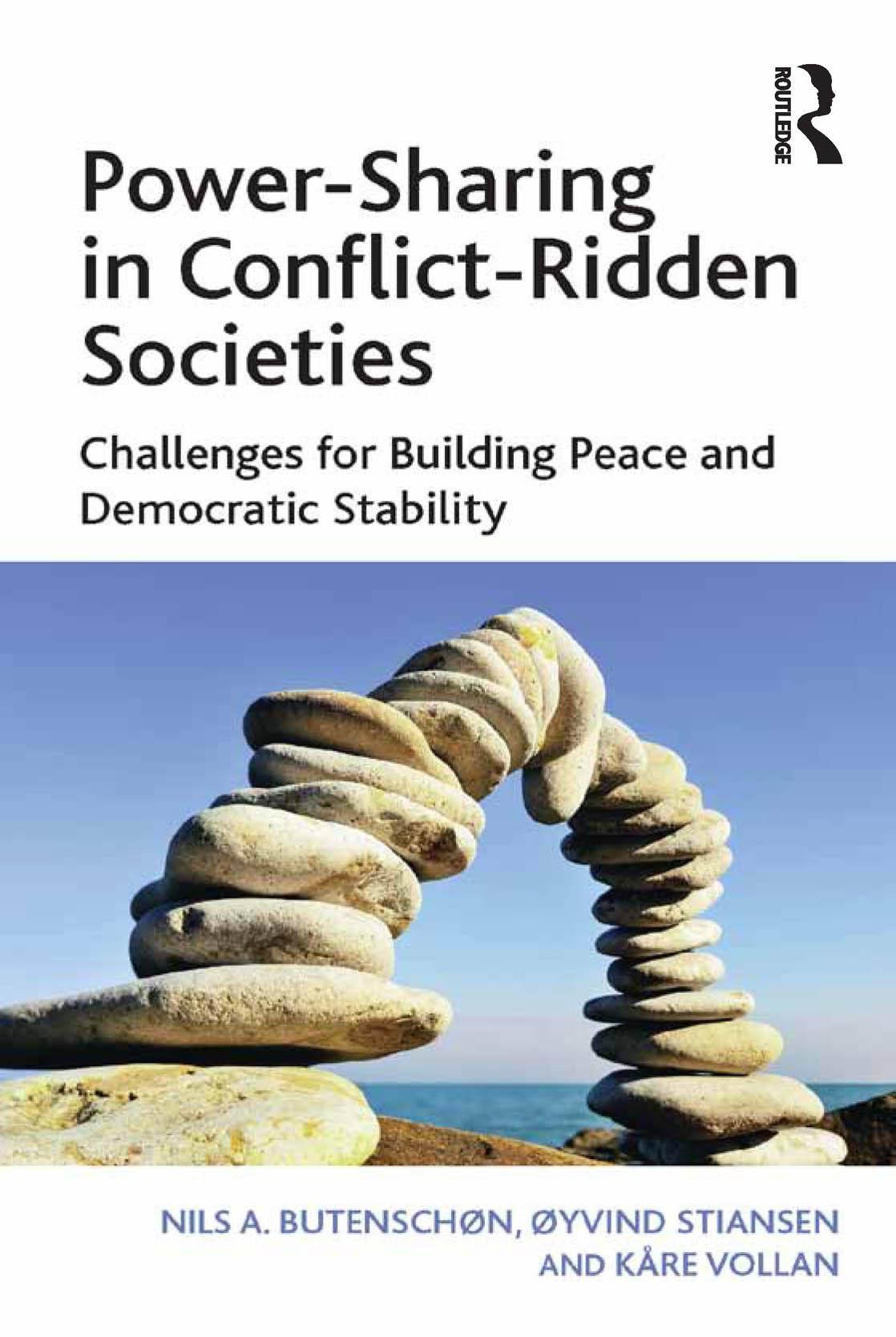
Based on a unique comparative study of Burundi, Rwanda, Ethiopia, Lebanon, Bosnia-Herzegovina, Nepal, Myanmar, the Philippines, and Fiji this book analyses the formal and informal arrangements defining the post-conflict political order in these countries and evaluates whether these systems strengthened or weakened the chances of establishing sustainable peace and lasting democracy. What can be learned from these cases? Each country has it unique history but they are faced with comparable challenges and dilemmas in building a democratic future. Which solutions seem to contribute to democratic stability and which do not? These questions are discussed in light of theoretical literature, case studies, and field interviews with the authors concluding that systems based on proportional representation offered the best prospects for including diverse and conflicting identities and building unified political systems. The book is of particular interest to students of democracy and peace-building; academics as well as decision-makers and practitioners in the field.
Seiten: 374
Kategorie: Statsvetenskap & Politik
e-ISBN: 9781317076742
Versandgewicht: 1.2 kg
Versand in: 1-2 Tage
Zahle einfach mit Karte, Klarna, Apple Pay oder Google Pay. Nicht zufrieden? Du hast immer ein 14-tägiges Widerrufsrecht. Lies mehr in unseren AGB. Hast du Fragen, schreib uns eine E-Mail an hello@memmo.org.
Memmo macht das Lernen einfacher – wo auch immer du bist. Bei uns findest du deine Kursbücher und smarte Lerntools an einem Ort: Zusammenfassungen, Quizzes, Podcasts und Lernkarten. Und Ted, dein Lernbuddy, beantwortet alles, was du wissen möchtest. Über 50.000 Studierende lernen bereits hier – gemacht, damit du schneller lernst und weniger Stress hast.
Das könnte dir auch gefallen
Buch kaufen0