
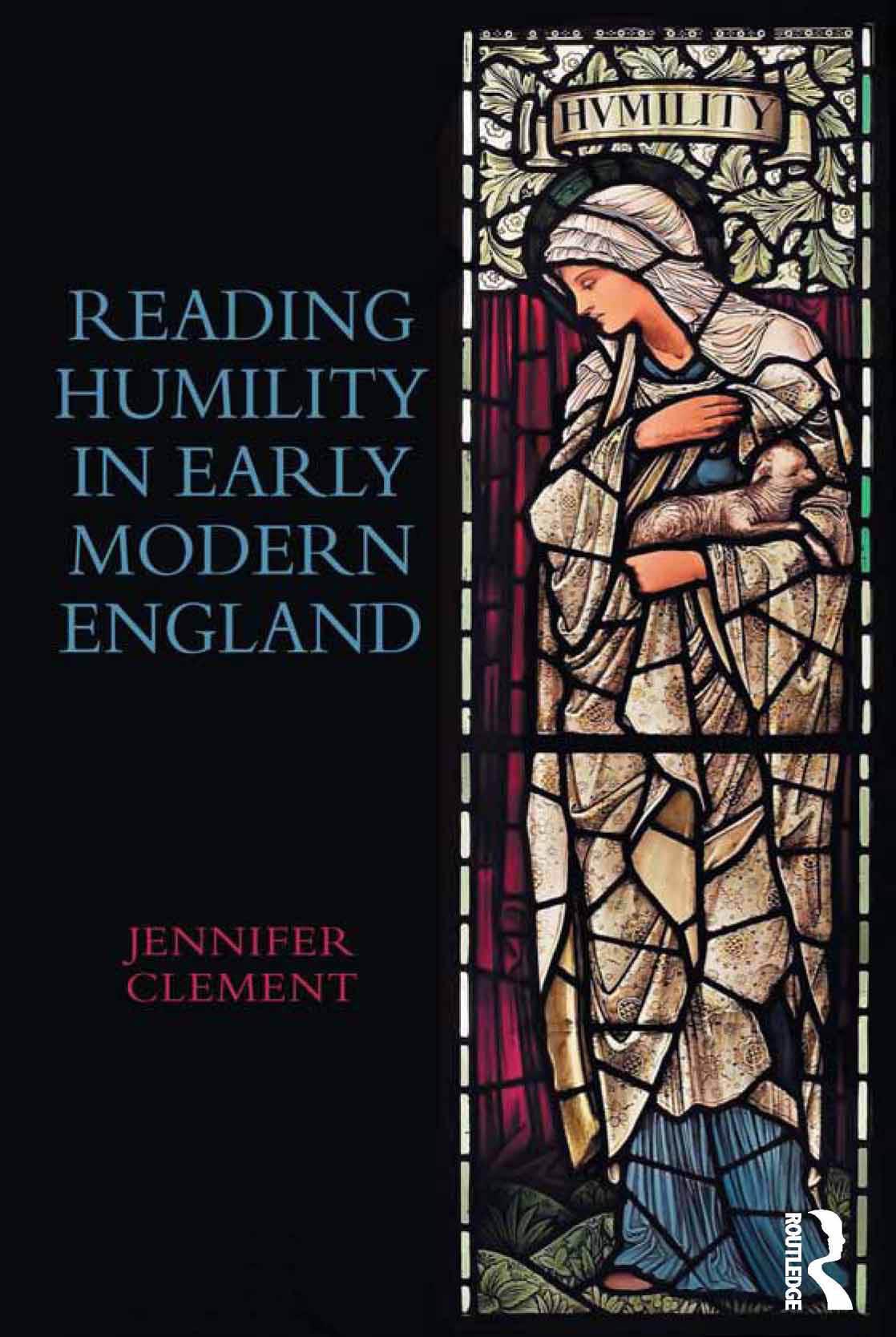
While humility is not especially valued in modern Western culture, Jennifer Clement argues here, it is central to sixteenth- and seventeenth-century understandings of Christian faith and behavior, and is vital to early modern concepts of the self. As this study shows, early modern literary engagements with humility link it to self-knowledge through the practice of right reading, and make humility foundational to any proper understanding of human agency. Yet humility has received little critical interest, and has often been misunderstood as a false virtue that engenders only self-abjection. This study offers an overview of various ways in which humility is discussed, deployed, or resisted in early modern texts ranging from the explicitly religious and autobiographical prose of Katherine Parr and John Donne, to the more politically motivated prose of Queen Elizabeth I and the seventeenth-century reformer and radical Thomas Tryon. As part of the wider 'turn to religion' in early modern studies, this study seeks to complicate our understanding of a mainstream early modern virtue, and to problematize a mode of critical analysis that assumes agency is always defined by resistance.
Zahle einfach mit Karte, Klarna, Apple Pay oder Google Pay. Nicht zufrieden? Du hast immer ein 14-tägiges Widerrufsrecht. Lies mehr in unseren AGB. Hast du Fragen, schreib uns eine E-Mail an hello@memmo.org.
Memmo macht das Lernen einfacher – wo auch immer du bist. Bei uns findest du deine Kursbücher und smarte Lerntools an einem Ort: Zusammenfassungen, Quizzes, Podcasts und Lernkarten. Und Ted, dein Lernbuddy, beantwortet alles, was du wissen möchtest. Über 50.000 Studierende lernen bereits hier – gemacht, damit du schneller lernst und weniger Stress hast.
Das könnte dir auch gefallen
Buch kaufen0