
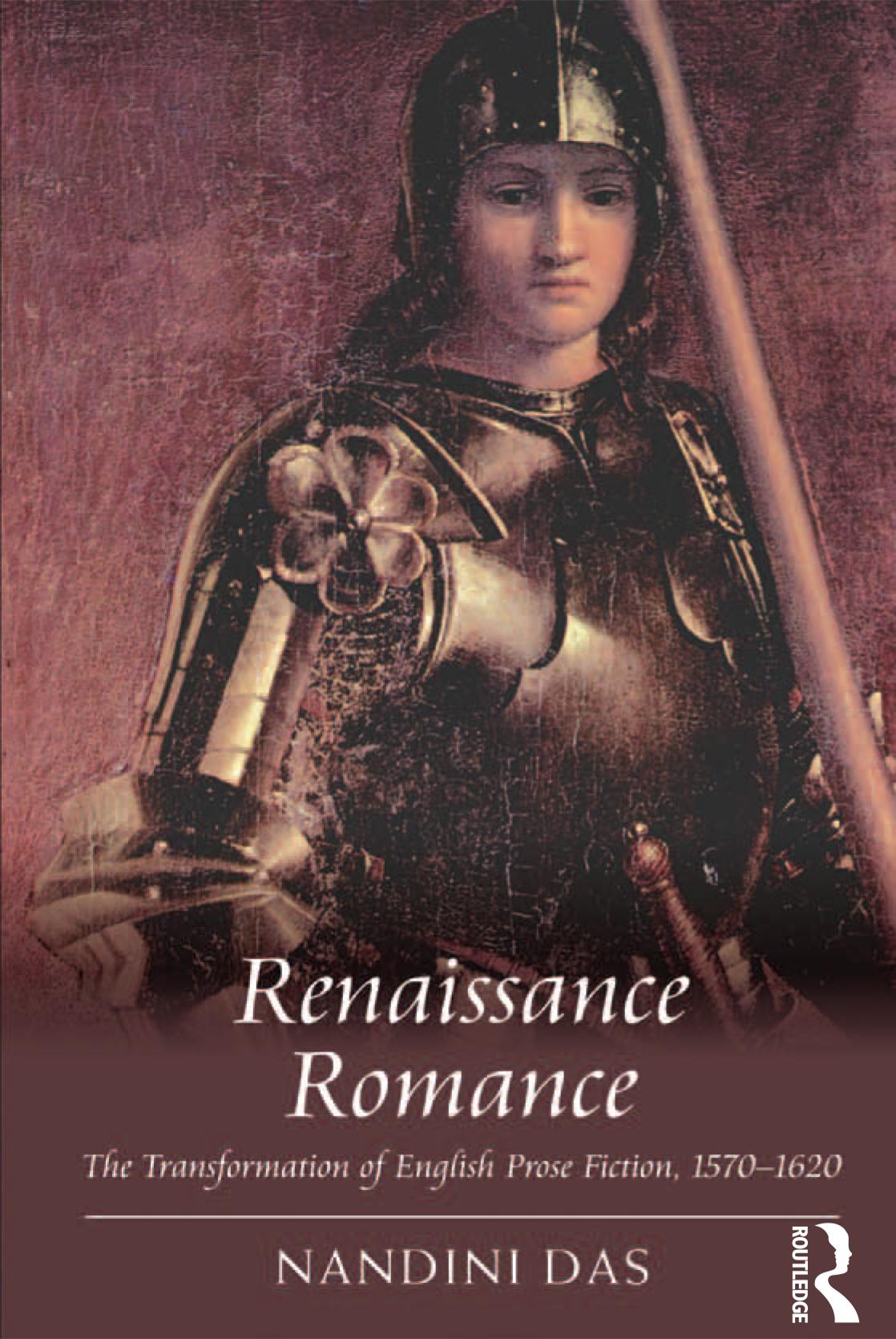
Romance was criticized for its perceived immorality throughout the Renaissance, and even enthusiasts were often forced to acknowledge the shortcomings of its dated narrative conventions. Yet despite that general condemnation, the striking growth in English fiction in the late sixteenth and early seventeenth centuries is marked by writers who persisted in using this much-maligned narrative form. In Renaissance Romance, Nandini Das examines why the fears and expectations surrounding the old genre of romance resonated with successive new generations at this particular historical juncture. Across a range of texts in which romance was adopted by the court, by popular print and by women, Das shows how the process of realignment and transformation through which the new prose fiction took shape was driven by a generational consciousness that was always inherent in romance. In the fiction produced by writers such as Sir Philip Sidney, Robert Greene and Lady Mary Wroth, the transformative interaction of romance with other emergent forms, from the court masque to cartography, was determined by specific configurations of social groups, drawn along the lines of generational difference. What emerged as a result of that interaction radically changed the possibilities of fiction in the period.
Zahle einfach mit Karte, Klarna, Apple Pay oder Google Pay. Nicht zufrieden? Du hast immer ein 14-tägiges Widerrufsrecht. Lies mehr in unseren AGB. Hast du Fragen, schreib uns eine E-Mail an hello@memmo.org.
Memmo macht das Lernen einfacher – wo auch immer du bist. Bei uns findest du deine Kursbücher und smarte Lerntools an einem Ort: Zusammenfassungen, Quizzes, Podcasts und Lernkarten. Und Ted, dein Lernbuddy, beantwortet alles, was du wissen möchtest. Über 50.000 Studierende lernen bereits hier – gemacht, damit du schneller lernst und weniger Stress hast.
Das könnte dir auch gefallen
Buch kaufen0