
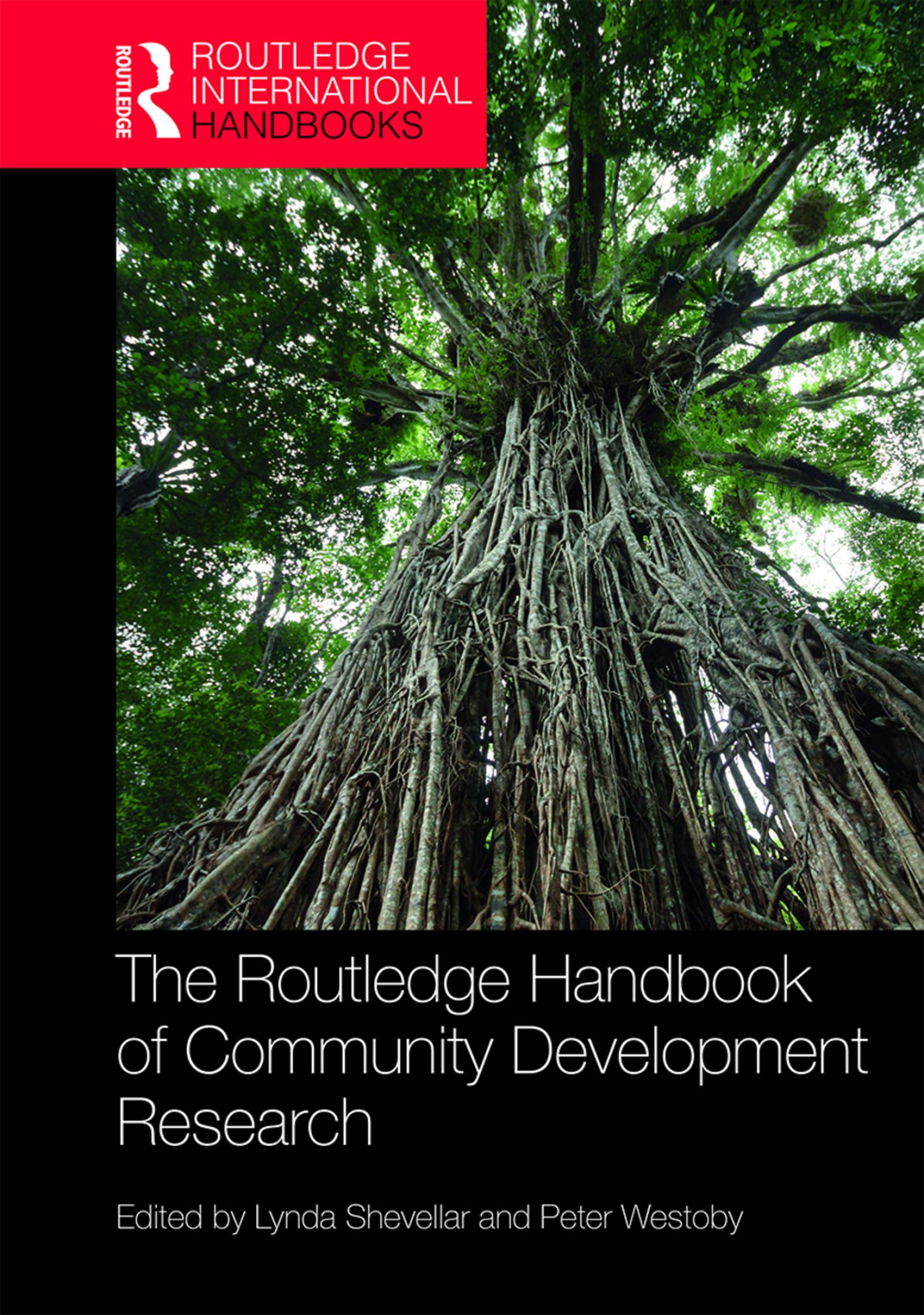
This handbook sets a new research agenda in community development. The contributors redefine existing areas within the context of interdisciplinary research, highlight emerging areas for community development related research, and provide researchers and post-graduate students with ideas and encouragement for future research activity. To do this, the editors have deliberately chosen to frame this book not through a traditional sociological lens of class, race and gender, but through a "Wicked Problems" framework.
Drawing upon the work of 37 international authors, in diverse settings such as West Papua, Peru, the USA and Australia; and with methodologies equally as diverse, from case studies and interviews to the use of music and story-telling, this handbook focuses upon five Wicked Problems: forced displacement; family, gender and child related violence; indigenous marginalisation; climate change and food security; and human survival in the context of disaster and recovery work.
By drawing together leading scholars from community development, social work and social policy, this handbook provides an up to the minute snapshot of current scholarship as well as signposting several fruitful avenues for future research. This book is both an invaluable resource for both scholars and practitioners and an indispensable teaching tool for use in the classroom and in the field.
Zahle einfach mit Karte, Klarna, Apple Pay oder Google Pay. Nicht zufrieden? Du hast immer ein 14-tägiges Widerrufsrecht. Lies mehr in unseren AGB. Hast du Fragen, schreib uns eine E-Mail an hello@memmo.org.
Memmo macht das Lernen einfacher – wo auch immer du bist. Bei uns findest du deine Kursbücher und smarte Lerntools an einem Ort: Zusammenfassungen, Quizzes, Podcasts und Lernkarten. Und Ted, dein Lernbuddy, beantwortet alles, was du wissen möchtest. Über 50.000 Studierende lernen bereits hier – gemacht, damit du schneller lernst und weniger Stress hast.