
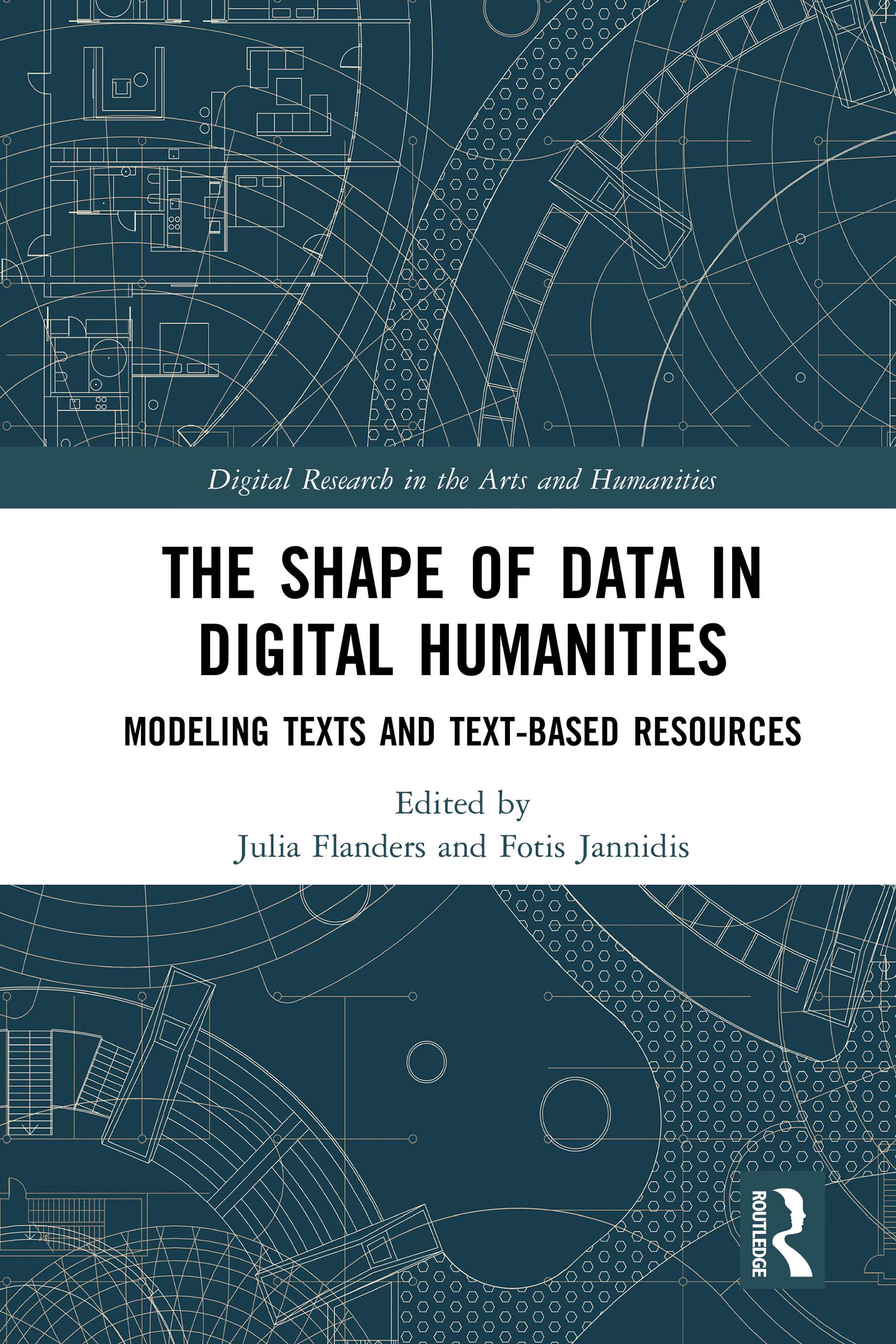
Data and its technologies now play a large and growing role in humanities research and teaching. This book addresses the needs of humanities scholars who seek deeper expertise in the area of data modeling and representation. The authors, all experts in digital humanities, offer a clear explanation of key technical principles, a grounded discussion of case studies, and an exploration of important theoretical concerns. The book opens with an orientation, giving the reader a history of data modeling in the humanities and a grounding in the technical concepts necessary to understand and engage with the second part of the book. The second part of the book is a wide-ranging exploration of topics central for a deeper understanding of data modeling in digital humanities. Chapters cover data modeling standards and the role they play in shaping digital humanities practice, traditional forms of modeling in the humanities and how they have been transformed by digital approaches, ontologies which seek to anchor meaning in digital humanities resources, and how data models inhabit the other analytical tools used in digital humanities research. It concludes with a glossary chapter that explains specific terms and concepts for data modeling in the digital humanities context. This book is a unique and invaluable resource for teaching and practising data modeling in a digital humanities context.
Zahle einfach mit Karte, Klarna, Apple Pay oder Google Pay. Nicht zufrieden? Du hast immer ein 14-tägiges Widerrufsrecht. Lies mehr in unseren AGB. Hast du Fragen, schreib uns eine E-Mail an hello@memmo.org.
Memmo macht das Lernen einfacher – wo auch immer du bist. Bei uns findest du deine Kursbücher und smarte Lerntools an einem Ort: Zusammenfassungen, Quizzes, Podcasts und Lernkarten. Und Ted, dein Lernbuddy, beantwortet alles, was du wissen möchtest. Über 50.000 Studierende lernen bereits hier – gemacht, damit du schneller lernst und weniger Stress hast.