
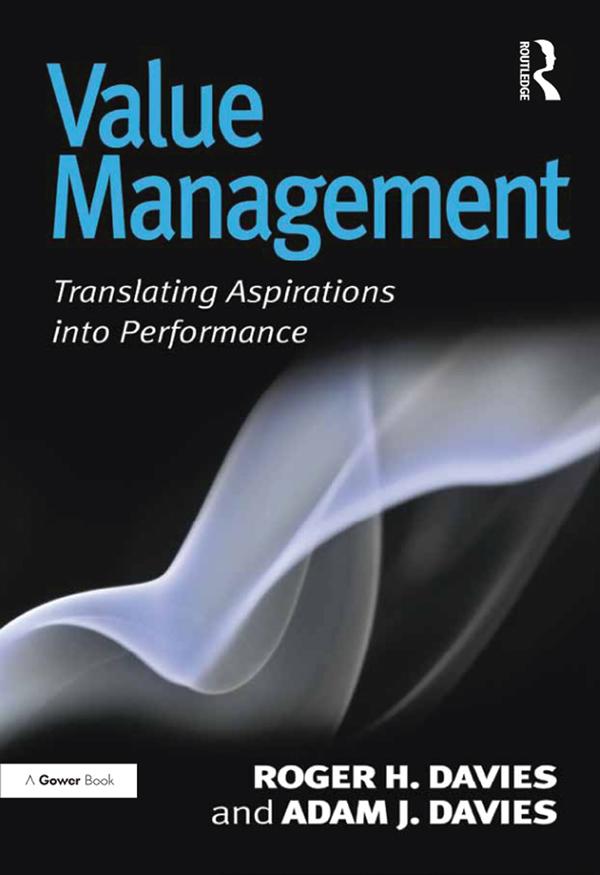
Change programmes in both private and public sectors have a poor record of delivering their intended value. The reasons given most often for their failure include lack of executive support or buy-in from key users, loose requirements definition, weak programme management, and plain wishful thinking. They rarely include technical limitations. Value Management puts forward the view that the true problem lies in failing to understand the causal links between the intended stakeholder outcomes and the actual programme outputs. Repeating the pattern of failure can be avoided by asking two questions: - Before implementation, what capabilities must a change programme deliver, when and in what order so as to cause intended value against a defined purpose with speed and certainty? - During and after implementation, what minor adjustments and/or major shifts are needed to be certain that the programme remains on purpose and on value? and two answers to be given: - Target, time and align change programmes to deliver maximum intended value to stakeholders - the baseline business case - track and respond to changes during and beyond implementation to ensure that the programme actually delivers or exceeds intended value - value realisation. The authors show how, by asking and answering these questions, direction and delivery of any programme can be clarified and greater economic value achieved.
Zahle einfach mit Karte, Klarna, Apple Pay oder Google Pay. Nicht zufrieden? Du hast immer ein 14-tägiges Widerrufsrecht. Lies mehr in unseren AGB. Hast du Fragen, schreib uns eine E-Mail an hello@memmo.org.
Memmo macht das Lernen einfacher – wo auch immer du bist. Bei uns findest du deine Kursbücher und smarte Lerntools an einem Ort: Zusammenfassungen, Quizzes, Podcasts und Lernkarten. Und Ted, dein Lernbuddy, beantwortet alles, was du wissen möchtest. Über 50.000 Studierende lernen bereits hier – gemacht, damit du schneller lernst und weniger Stress hast.
Das könnte dir auch gefallen
Buch kaufen0