
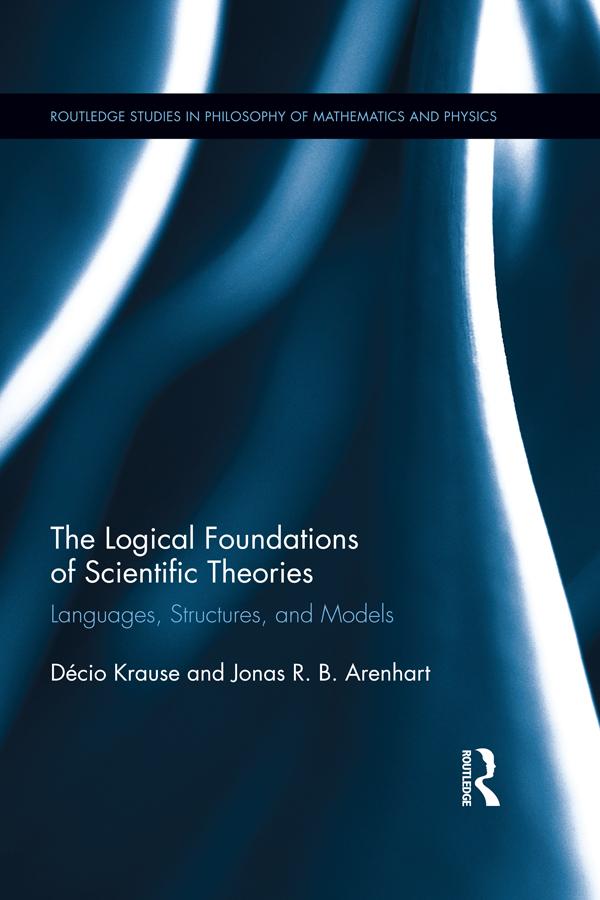
This book addresses the logical aspects of the foundations of scientific theories. Even though the relevance of formal methods in the study of scientific theories is now widely recognized and regaining prominence, the issues covered here are still not generally discussed in philosophy of science. The authors focus mainly on the role played by the underlying formal apparatuses employed in the construction of the models of scientific theories, relating the discussion with the so-called semantic approach to scientific theories. The book describes the role played by this metamathematical framework in three main aspects: considerations of formal languages employed to axiomatize scientific theories, the role of the axiomatic method itself, and the way set-theoretical structures, which play the role of the models of theories, are developed. The authors also discuss the differences and philosophical relevance of the two basic ways of aximoatizing a scientific theory, namely Patrick Suppes’ set theoretical predicates and the "da Costa and Chuaqui" approach. This book engages with important discussions of the nature of scientific theories and will be a useful resource for researchers and upper-level students working in philosophy of science.
Zahle einfach mit Karte, Klarna, Apple Pay oder Google Pay. Nicht zufrieden? Du hast immer ein 14-tägiges Widerrufsrecht. Lies mehr in unseren AGB. Hast du Fragen, schreib uns eine E-Mail an hello@memmo.org.
Memmo macht das Lernen einfacher – wo auch immer du bist. Bei uns findest du deine Kursbücher und smarte Lerntools an einem Ort: Zusammenfassungen, Quizzes, Podcasts und Lernkarten. Und Ted, dein Lernbuddy, beantwortet alles, was du wissen möchtest. Über 50.000 Studierende lernen bereits hier – gemacht, damit du schneller lernst und weniger Stress hast.