
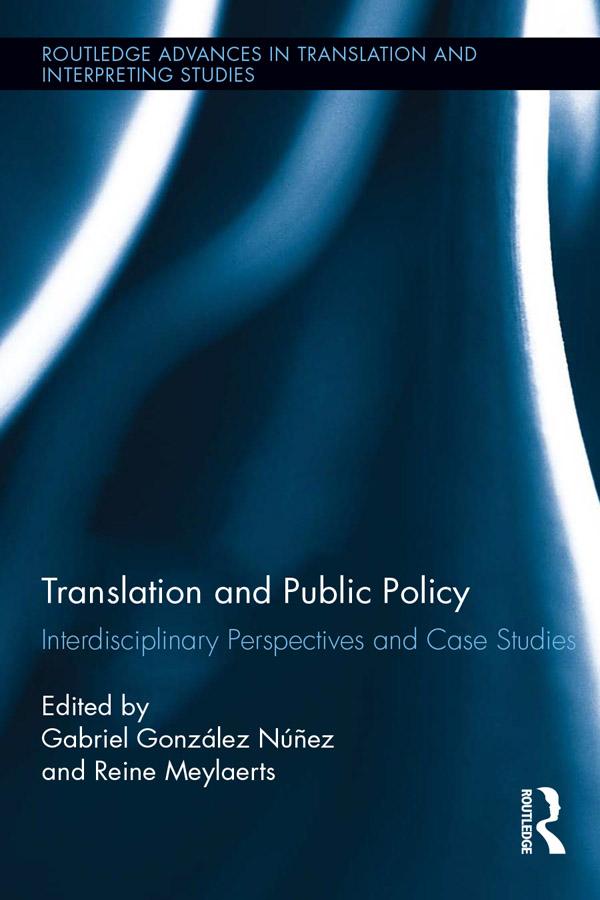
This book brings together an ensemble of leading voices from the fields of economics, language policy, law, political philosophy, and translation studies. They come together to provide theoretical perspectives and practical case studies regarding a shared concern: translation policy. Their timely perspectives and case studies allow for the problematizing and exploration of translation policy, an area that is beginning to come to the attention of scholars. This book offers the first truly interdisciplinary approach to an area of study that is still in its infancy. It thus makes a timely and necessary contribution.
As the 21st century marches on, authorities are more and more confronted with the reality of multilingual societies, and the monolingual state polices of yesteryear seem unable to satisfy increasing demands for more just societies. Precisely because of that, language policies of necessity must include choices about the use or non-use of translation at different levels. Thus, translation policy plays a prominent yet often unseen role in multilingual societies. This role is shaped by tensions and compromises that bear on the distribution of resources, choices about language, legal imperatives, and notions of justice. This book aims to inform scholars and policy makers alike regarding these issues.
Zahle einfach mit Karte, Klarna, Apple Pay oder Google Pay. Nicht zufrieden? Du hast immer ein 14-tägiges Widerrufsrecht. Lies mehr in unseren AGB. Hast du Fragen, schreib uns eine E-Mail an hello@memmo.org.
Memmo macht das Lernen einfacher – wo auch immer du bist. Bei uns findest du deine Kursbücher und smarte Lerntools an einem Ort: Zusammenfassungen, Quizzes, Podcasts und Lernkarten. Und Ted, dein Lernbuddy, beantwortet alles, was du wissen möchtest. Über 50.000 Studierende lernen bereits hier – gemacht, damit du schneller lernst und weniger Stress hast.