
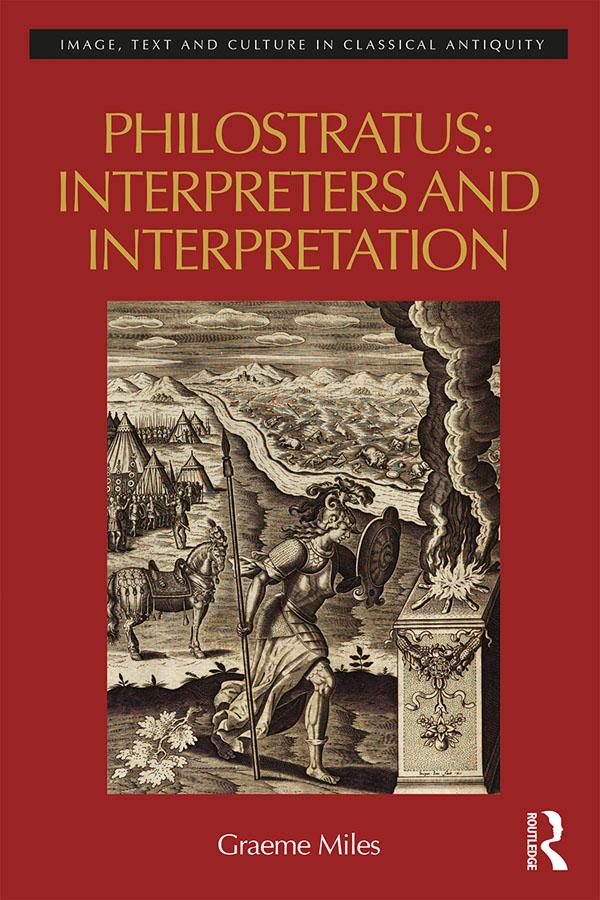
Philostratus is one of the greatest examples of the vitality and inventiveness of the Greek culture of his period, at once a one-man summation of contemporary tastes and interests and a strikingly individual re-inventor of the traditions in which he was steeped. This Roman-era engagement with the already classical past set important precedents for later understandings of classical art, literature and culture. This volume examines the ways in which the labyrinthine Corpus Philostrateum represents and interrogates the nature of interpretation and the interpreting subject. Taking ‘interpretation’ broadly as the production of meaning from objects that are considered to bear some less than obvious significance, it examines the very different interpreter figures presented: Apollonius of Tyana as interpreter of omens, dreams and art-works; an unnamed Vinetender and the dead Protesilaus as interpreters of heroes; and the sophist who emotively describes a gallery full of paintings, depicting in the process both the techniques of educated viewing and the various errors and illusions into which a viewer can fall.
Zahle einfach mit Karte, Klarna, Apple Pay oder Google Pay. Nicht zufrieden? Du hast immer ein 14-tägiges Widerrufsrecht. Lies mehr in unseren AGB. Hast du Fragen, schreib uns eine E-Mail an hello@memmo.org.
Memmo macht das Lernen einfacher – wo auch immer du bist. Bei uns findest du deine Kursbücher und smarte Lerntools an einem Ort: Zusammenfassungen, Quizzes, Podcasts und Lernkarten. Und Ted, dein Lernbuddy, beantwortet alles, was du wissen möchtest. Über 50.000 Studierende lernen bereits hier – gemacht, damit du schneller lernst und weniger Stress hast.