
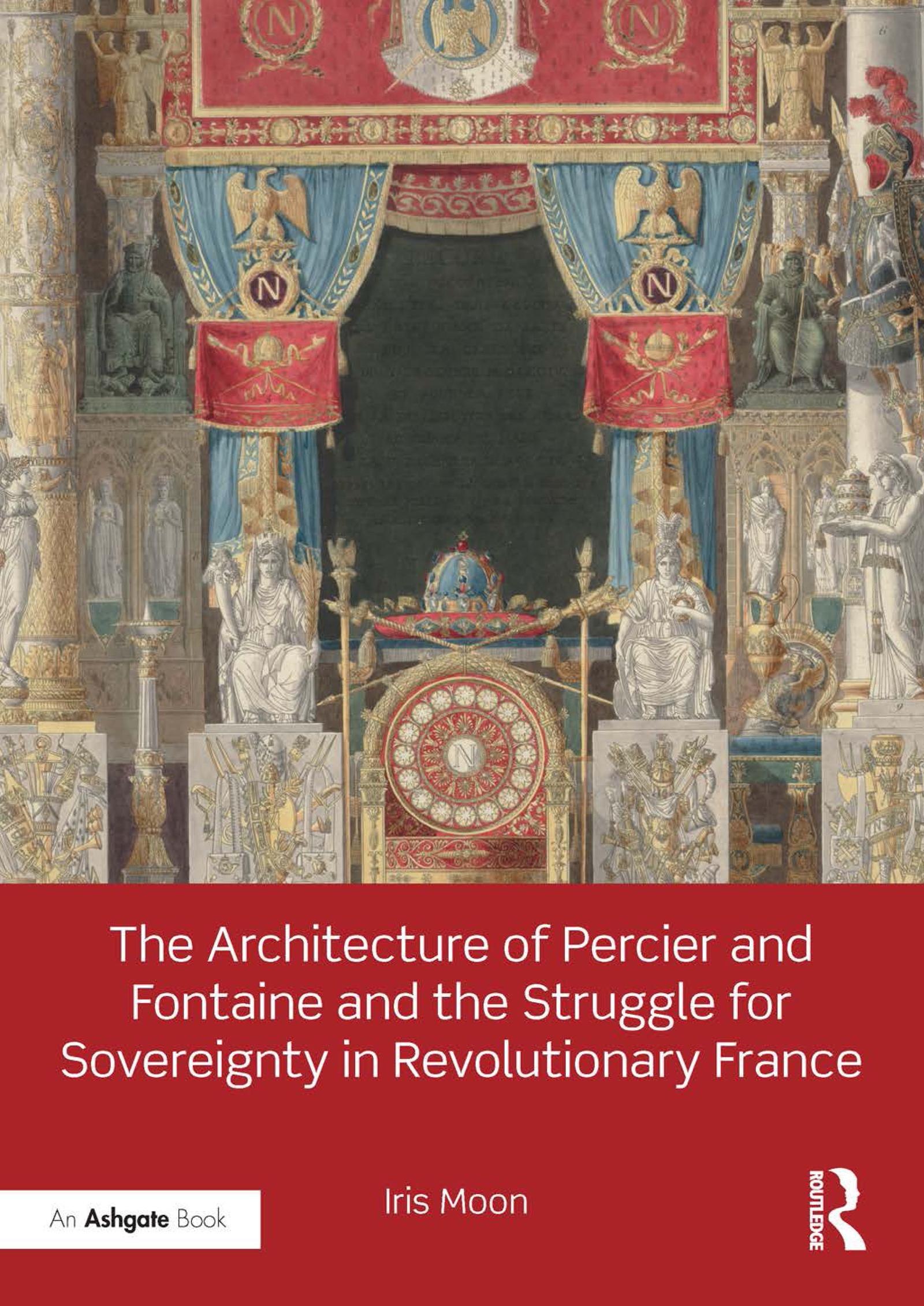
As the official architects of Napoleon, Charles Percier (1764–1838) and Pierre-François-Léonard Fontaine (1762–1853) designed interiors that responded to the radical ideologies and collective forms of destruction that took place during the French Revolution. The architects visualized new forms of imperial sovereignty by inverting the symbols of monarchy and revolution, constructing meeting rooms resembling military encampments and gilded thrones that replaced the Bourbon lily with Napoleonic bees. Yet in the wake of political struggle, each foundation stone that the architects laid for the new imperial regime was accompanied by an awareness of the contingent nature of sovereign power. Contributing fresh perspectives on the architecture, decorative arts, and visual culture of revolutionary France, this book explores how Percier and Fontaine’s desire to build structures of permanence and their inadvertent reliance upon temporary architectural forms shaped a new awareness of time, memory, and modern political identity in France.
Zahle einfach mit Karte, Klarna, Apple Pay oder Google Pay. Nicht zufrieden? Du hast immer ein 14-tägiges Widerrufsrecht. Lies mehr in unseren AGB. Hast du Fragen, schreib uns eine E-Mail an hello@memmo.org.
Memmo macht das Lernen einfacher – wo auch immer du bist. Bei uns findest du deine Kursbücher und smarte Lerntools an einem Ort: Zusammenfassungen, Quizzes, Podcasts und Lernkarten. Und Ted, dein Lernbuddy, beantwortet alles, was du wissen möchtest. Über 50.000 Studierende lernen bereits hier – gemacht, damit du schneller lernst und weniger Stress hast.