
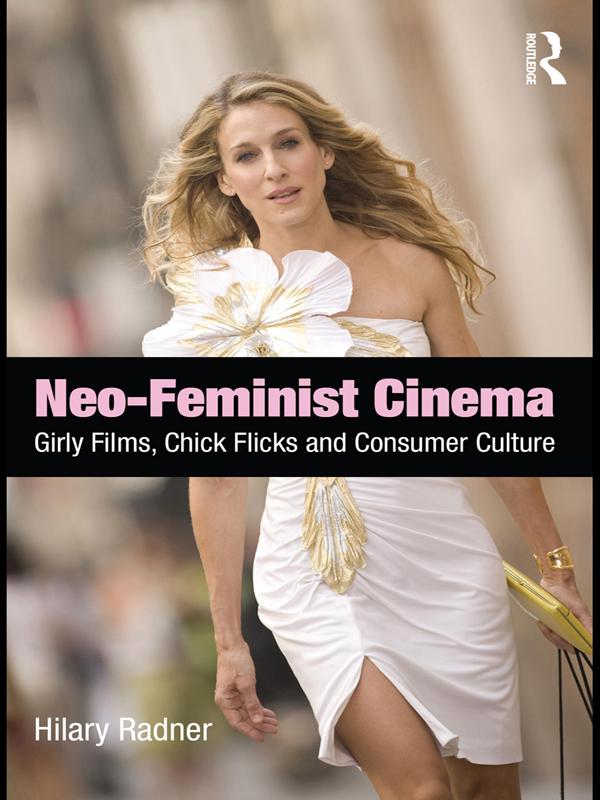
What lies behind current feminist discontent with contemporary cinema?
Through a combination of cultural and industry analysis, Hilary Radner’s Neo-Feminist Cinema: Girly Films, Chick Flicks and Consumer Culture shows how the needs of conglomerate Hollywood have encouraged an emphasis on consumer culture within films made for women. By exploring a number of representative "girly films," including Pretty Woman, Legally Blonde, Maid in Manhattan, The Devil Wears Prada, and Sex and the City: The Movie, Radner proposes that rather than being "post-feminist," as is usually assumed, such films are better described as "neo-feminist." Examining their narrative format, as it revolves around the story of an ambitious unmarried woman who defines herself through consumer culture as much as through work or romance, Radner argues that these films exemplify neo-liberalist values rather than those of feminism.
As such, Neo-Feminist Cinema offers a new explanation as to why feminist-oriented scholars and audiences who are seeking more than "labels and love" from their film experience have viewed recent "girly films" as a betrayal of second-wave feminism, and why, on the other hand, such films have proven to be so successful at the box office.
Zahle einfach mit Karte, Klarna, Apple Pay oder Google Pay. Nicht zufrieden? Du hast immer ein 14-tägiges Widerrufsrecht. Lies mehr in unseren AGB. Hast du Fragen, schreib uns eine E-Mail an hello@memmo.org.
Memmo macht das Lernen einfacher – wo auch immer du bist. Bei uns findest du deine Kursbücher und smarte Lerntools an einem Ort: Zusammenfassungen, Quizzes, Podcasts und Lernkarten. Und Ted, dein Lernbuddy, beantwortet alles, was du wissen möchtest. Über 50.000 Studierende lernen bereits hier – gemacht, damit du schneller lernst und weniger Stress hast.