
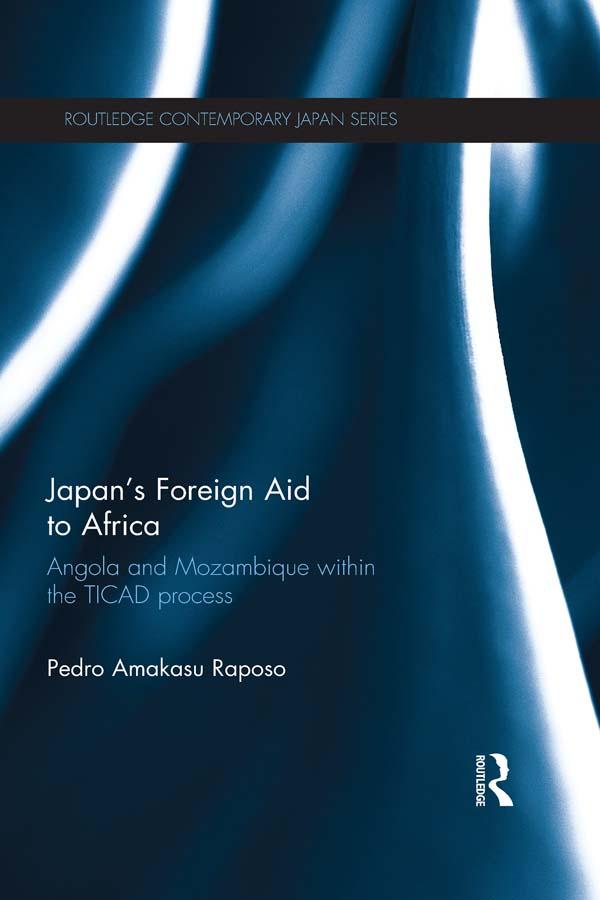
The Tokyo International Conference on African Development (TICAD) was established in 1993 with the intention of creating opportunities for trade and investment on both sides and the promotion of sustainable development. In 2003, the conference translated Japanese aid policy to Africa into three key pillars: human centered development, poverty reduction through economic growth, and the consolidation of peace, and since 2005 Africa has on several occasions been the largest recipient of Japanese overseas aid.
Tracing Japanese foreign aid to Africa during and after the Cold War, this book examines how the TICAD process sits at the intersection of international relations and domestic decision making. Indeed, it questions whether the increase in aid has been driven by domestic changes such as demands from civil society and donor interest, or pressures emanating from the international system. Taking Angola and Mozambique as case studies, the book explores how Japan’s development cooperation with Africa has assisted previously war torn states make the transition from war to peace, and in doing so demonstrates the centrality of human security to Japanese foreign policy as a means of ensuring sustainable development.
This book will have great interdisciplinary appeal to students and scholars of Japanese and African studies, Japanese politics, international relations theory, foreign policy, economic development and sustainable development.
Zahle einfach mit Karte, Klarna, Apple Pay oder Google Pay. Nicht zufrieden? Du hast immer ein 14-tägiges Widerrufsrecht. Lies mehr in unseren AGB. Hast du Fragen, schreib uns eine E-Mail an hello@memmo.org.
Memmo macht das Lernen einfacher – wo auch immer du bist. Bei uns findest du deine Kursbücher und smarte Lerntools an einem Ort: Zusammenfassungen, Quizzes, Podcasts und Lernkarten. Und Ted, dein Lernbuddy, beantwortet alles, was du wissen möchtest. Über 50.000 Studierende lernen bereits hier – gemacht, damit du schneller lernst und weniger Stress hast.