
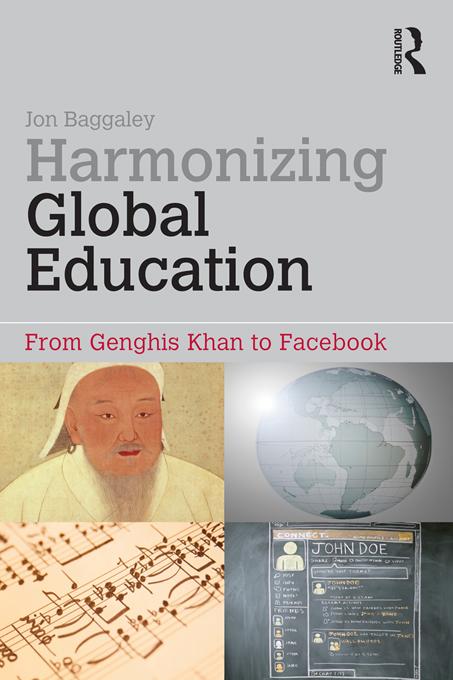
Distance education (DE) offers ways to reach the many people around the world who lack access to education and training by other means. International DE methods, however, are fragmented, and distance educators have often abandoned new technologies before giving them a chance to develop. As a result, many current DE tools and techniques are incompatible with the needs and cultures of different global regions. With the goal of designing efficient, relevant DE for worldwide audiences, Harmonizing Global Education invites scholars and practitioners to consider the historic development of technology-based education and communication studies, going back further in the literature than is often assumed necessary.
The book examines a wide range of historical ideas capable of shaping modern DE, including the Luddite Revolt among British textiles workers in 1811-12, the evolution of cubist art and musical aesthetics, and the visionary advances of early twentieth-century Soviet multimedia specialists. The author urges an awareness of previous generations of communications studies, and shows how audience research relating to traditional media can be relevant in the design of current internet-based and social media approaches. Today's open universities have grown from these earlier historical efforts, and the future success of open and distance education depends on learning from the successes and the failures of the past.
Zahle einfach mit Karte, Klarna, Apple Pay oder Google Pay. Nicht zufrieden? Du hast immer ein 14-tägiges Widerrufsrecht. Lies mehr in unseren AGB. Hast du Fragen, schreib uns eine E-Mail an hello@memmo.org.
Memmo macht das Lernen einfacher – wo auch immer du bist. Bei uns findest du deine Kursbücher und smarte Lerntools an einem Ort: Zusammenfassungen, Quizzes, Podcasts und Lernkarten. Und Ted, dein Lernbuddy, beantwortet alles, was du wissen möchtest. Über 50.000 Studierende lernen bereits hier – gemacht, damit du schneller lernst und weniger Stress hast.