
�Responsible Tourism presents a wide variety of valuable lessons learned in responsible tourism initiatives in Southern Africa that many tourism practitioners can use in their efforts to make the tourism sector work for the poor and for the environment.�
Dr Harsh Varma, Director, Development Assistance Department, World Tourism Organization (UNWTO)
�For those interested in how tourism can assist in the economic and social development of societies in need, Responsible Tourism effectively integrates scales and types of knowledge to present an informative, stimulating perspective. It will be on my bookshelf.�
Steve McCool, Professor Emeritus, Wildland Recreation Management, University of Montana
�Responsible tourism is one of the most significant contemporary issues for tourism scholars and practitioners alike. This useful and clearly written collection of new research demonstrates the innovations in responsible tourism occurring within southern Africa and provides lessons for international research and practice.�
Professor Christian Rogerson, University of Witwatersrand, South Africa
Conservation efforts are often seen to be in conflict with local livelihoods and resource use - the �park versus people� debate. �Responsible tourism� and �Ecotourism� are often invoked as a third way that serve both ends. Yet do they actually work in practice?
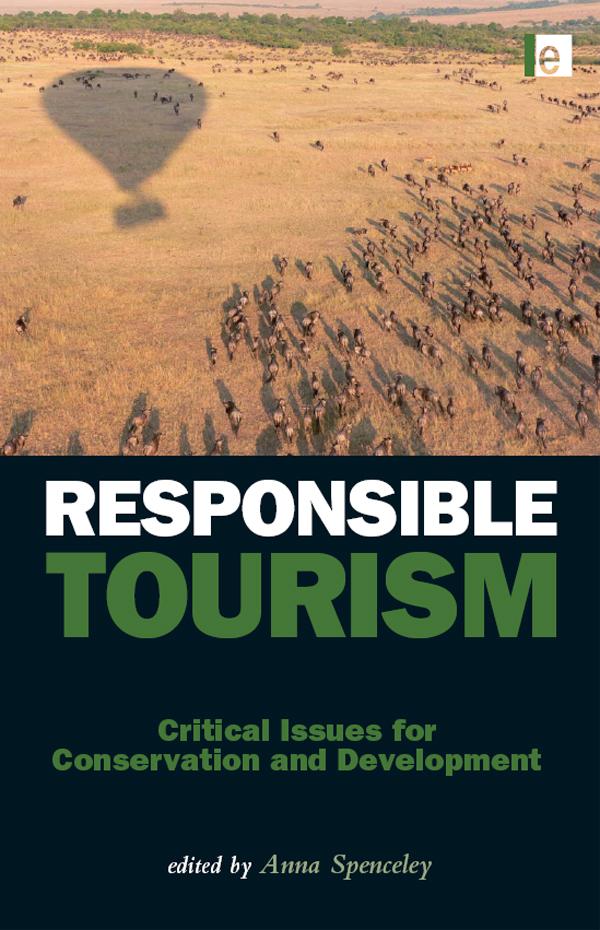
This volume delves deep into practice in southern Africa, the hotbed of innovation on the issue, and provides a comprehensive, evidence-based examination of what works and what fails, using a wealth of information from scholars and practitioners working in the region. This book opens with an overview of the issues, looks at what sustainable and responsible tourism are in practice and how they may contribute to conservation, poverty alleviation and local economic development. Part 1 examines policies and institutional activities in responsible tourism by governments, donor agencies and nongovernmental organizations, and addresses the market for responsible travel. Part 2 considers responsible nature-based tourism, the economics of wildlife tourism and ecotourism, transfrontier conservation areas, ecological impacts of tourism and other issues. Part 3 looks at more detailed case studies of community-based tourism projects, and highlights the reasons for successes and failures in this sector. The book concludes with a synthesis of the key findings with implications for policy, destination planning, business management, and future private sector and donor interventions.
Published with the Southern African Sustainable Use Specialist Group (SASUSG) of IUCN
Zahle einfach mit Karte, Klarna, Apple Pay oder Google Pay. Nicht zufrieden? Du hast immer ein 14-tägiges Widerrufsrecht. Lies mehr in unseren AGB. Hast du Fragen, schreib uns eine E-Mail an hello@memmo.org.
Memmo macht das Lernen einfacher – wo auch immer du bist. Bei uns findest du deine Kursbücher und smarte Lerntools an einem Ort: Zusammenfassungen, Quizzes, Podcasts und Lernkarten. Und Ted, dein Lernbuddy, beantwortet alles, was du wissen möchtest. Über 50.000 Studierende lernen bereits hier – gemacht, damit du schneller lernst und weniger Stress hast.