
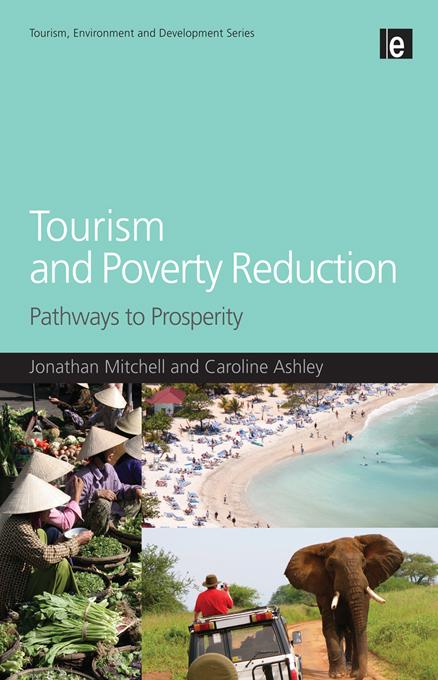
Tourism can reduce poverty in developing countries. But tourism growth is not universally inclusive of the poor. Moreover our understanding of how tourism affects the poor is largely based on partial and superficial analysis. Researchers from different disciplines and practitioners with different objectives generally work in splendid isolation from each other and from the mainstream of development economics. Detailed economic analysis remains buried and is rarely challenged for policy implications, let alone poverty implications.
This book provides an overview of a broad array of analyses of how tourism affects poor people. First, it pulls these together to identify three main pathways by which impacts on poverty can be delivered. Second, it reviews the empirical evidence on the scale and significance of impacts within each pathway, exploring where comparisons can be made and where they cannot. Finally, it considers the different methods used to gather and collect data, and implications for how we should work in the future.
Tourism and Poverty Reduction draws on international evidence throughout, but provides particular insights into Africa and other less developed countries. It makes a major contribution to a more coherent, cross-disciplinary and sensitive approach to the tourism-poverty debate.
Zahle einfach mit Karte, Klarna, Apple Pay oder Google Pay. Nicht zufrieden? Du hast immer ein 14-tägiges Widerrufsrecht. Lies mehr in unseren AGB. Hast du Fragen, schreib uns eine E-Mail an hello@memmo.org.
Memmo macht das Lernen einfacher – wo auch immer du bist. Bei uns findest du deine Kursbücher und smarte Lerntools an einem Ort: Zusammenfassungen, Quizzes, Podcasts und Lernkarten. Und Ted, dein Lernbuddy, beantwortet alles, was du wissen möchtest. Über 50.000 Studierende lernen bereits hier – gemacht, damit du schneller lernst und weniger Stress hast.