
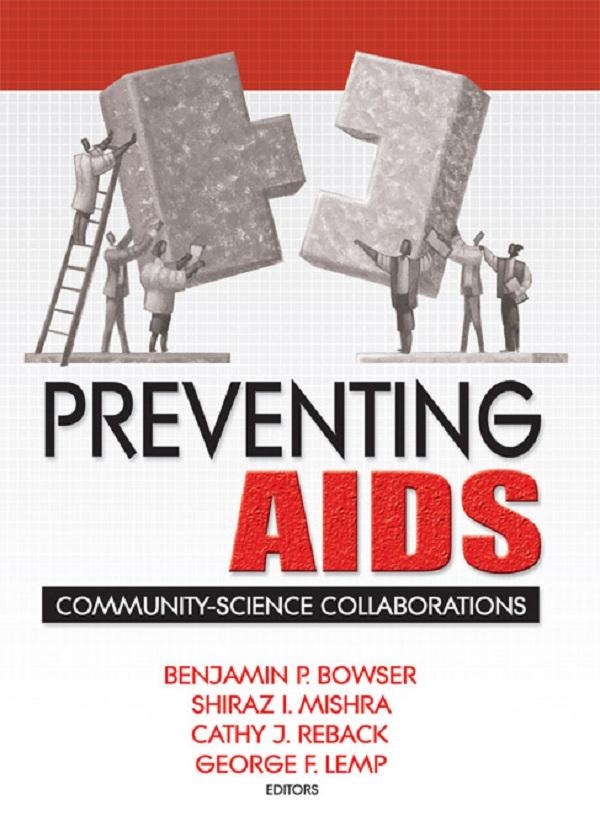
Learn how to create professional collaboration between HIV/AIDS researchers and community organizations for the benefit of all!
This book is designed to help frontline prevention organizations answer two questions that are of utmost importance. First, how effective are their services; and second, can their work be improved? The absence of rigorous evaluation is a barrier to stable funding for community organizations, and the strategies in Preventing AIDS: Community-Science Collaborations can help overcome that barrier. The book is a guide to successful cooperative efforts between researchers and community-based organizations. The information it presents will help community-based programs acquire detailed, timely information on program effectiveness and outcomes. It also provides researchers with methods for accessing hard-to-reach or hidden HIV high-risk groups. Handy tables and figures make important data easy to access and understand.
In Preventing AIDS: Community-Science Collaborations, you’ll learn about the difficult but critically important collaboration between community organizations who do frontline prevention work and university scientists who evaluate the effectiveness of that work. The book describes the community-researcher equal partner collaboration (CREPC) model for community-based collaborative research. In addition, it examines six unique efforts to prevent the spread of AIDS among high-risk populations, such as prostitutes, injection drug users, impoverished pregnant women, migrant workers, transgendered persons, and prison inmates. The case studies in Preventing AIDS: Community-Science Collaborations describe the frustrations of outreach workers and counselors who suddenly must help design a survey they fear will be intrusive, and the parallel problems faced by scientists who are told that their traditional measures mean little to outreach workers.
Preventing AIDS: Community-Science Collaborations presents funders’ perspectives on collaborative AIDS research and examines the collaborative and funding aspects of:
- the CAL-PEP prevention programs for drug injectors and sex workers
- efforts to promote HIV prevention for migrant farm workers and evaluate those efforts’ effectiveness
- the ongoing collaboration between The Center for AIDS Prevention Studies (University of California, San Francisco), Centerforce (a statewide nonprofit agency providing services and advocacy to prisoners and their families), and San Quentin State Prison
- the effort of the Los Angeles County HIV Epidemiology Program and three community-based organizations, which collaborate to provide culturally appropriate outreach and HIV education/prevention services to transgendered individuals of various ethnic origins
- San Francisco’s PHREDA project and the way its creators collaborated to better understand and serve high-risk women
- The U-Find-Out (UFO) Study, funded by the Universitywide AIDS Research Program of the State of California
Zahle einfach mit Karte, Klarna, Apple Pay oder Google Pay. Nicht zufrieden? Du hast immer ein 14-tägiges Widerrufsrecht. Lies mehr in unseren AGB. Hast du Fragen, schreib uns eine E-Mail an hello@memmo.org.
Memmo macht das Lernen einfacher – wo auch immer du bist. Bei uns findest du deine Kursbücher und smarte Lerntools an einem Ort: Zusammenfassungen, Quizzes, Podcasts und Lernkarten. Und Ted, dein Lernbuddy, beantwortet alles, was du wissen möchtest. Über 50.000 Studierende lernen bereits hier – gemacht, damit du schneller lernst und weniger Stress hast.