
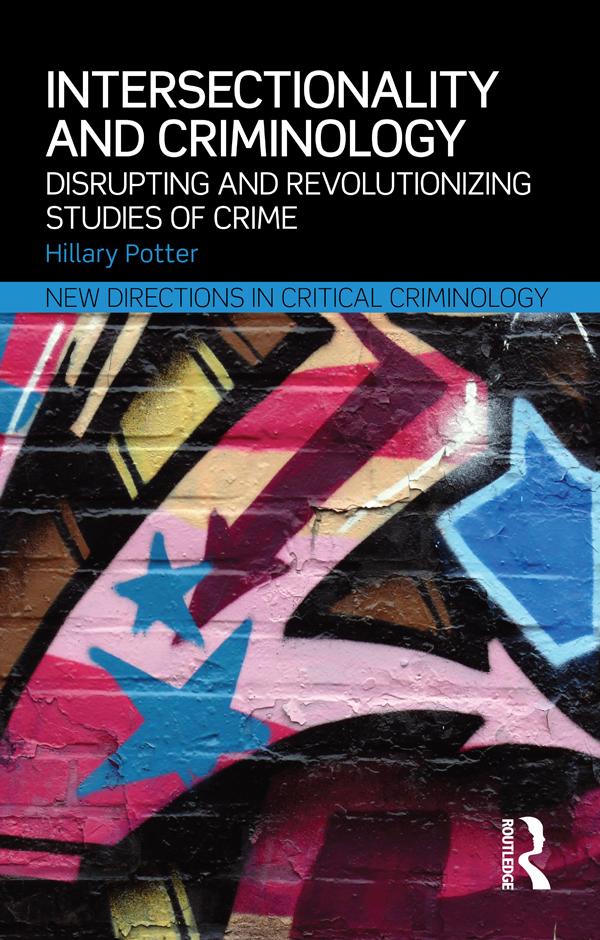
The use of intersectionality theory in the social sciences has proliferated in the past several years, putting forward the argument that the interconnected identities of individuals, and the way these identities are perceived and responded to by others, must be a necessary part of any analysis. Fundamentally, intersectionality claims that not only are people’s lived experiences affected by their racial identity and by their gender identity, but that these identities, and others, continually operate together and affect each other.
With "official" statistical data that indicate people of Color have higher offending and victimization rates than White people, and with the overrepresentation of men and people of Color in the criminal legal system, new theories are required that address these phenomena and that are devoid of stereotypical or debasing underpinnings.
Intersectionality and Criminology provides a comprehensive review of the need for, and use of, intersectionality in the study of crime, criminality, and the criminal legal system. This is essential reading for academics and students researching and studying in the fields of crime, criminal justice, theoretical criminology, and gender, race, and socioeconomic class.
Zahle einfach mit Karte, Klarna, Apple Pay oder Google Pay. Nicht zufrieden? Du hast immer ein 14-tägiges Widerrufsrecht. Lies mehr in unseren AGB. Hast du Fragen, schreib uns eine E-Mail an hello@memmo.org.
Memmo macht das Lernen einfacher – wo auch immer du bist. Bei uns findest du deine Kursbücher und smarte Lerntools an einem Ort: Zusammenfassungen, Quizzes, Podcasts und Lernkarten. Und Ted, dein Lernbuddy, beantwortet alles, was du wissen möchtest. Über 50.000 Studierende lernen bereits hier – gemacht, damit du schneller lernst und weniger Stress hast.