
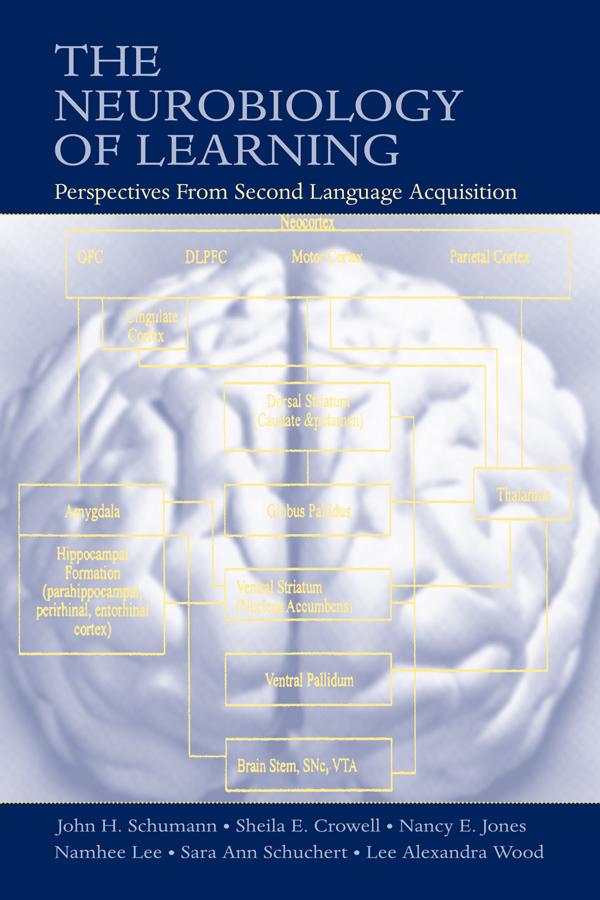
This book constitutes a timely contribution to the existing literature by presenting a relatively comprehensive, neurobiological account of certain aspects of second language acquisition. It represents the collaborative efforts of members of the Neurobiology of Language Research Group in the Applied Linguistics and TESL Department at UCLA. Members of the group are trained in neurobiology and then use this knowledge to develop biological accounts of various aspects of applied linguistics.
The volume avoids the corticocentric bias that characterizes many brain-language publications--both cortical and subcortical structures receive their appropriate attention. In addition, it demonstrates that enough is presently known about the brain to inform our conceptualizations of how humans acquire second languages, thus, it provides a refreshingly novel, highly integrative contribution to the (second) language acquisition literature.
The goal of the research program was based on the need to draw more links between the neurobiological mechanisms and second language acquisition. As such, the book promotes a neurobiology of language that starts with the brain and moves to behavior. The fundamental insights presented should guide second language acquisition researchers for years to come.
Zahle einfach mit Karte, Klarna, Apple Pay oder Google Pay. Nicht zufrieden? Du hast immer ein 14-tägiges Widerrufsrecht. Lies mehr in unseren AGB. Hast du Fragen, schreib uns eine E-Mail an hello@memmo.org.
Memmo macht das Lernen einfacher – wo auch immer du bist. Bei uns findest du deine Kursbücher und smarte Lerntools an einem Ort: Zusammenfassungen, Quizzes, Podcasts und Lernkarten. Und Ted, dein Lernbuddy, beantwortet alles, was du wissen möchtest. Über 50.000 Studierende lernen bereits hier – gemacht, damit du schneller lernst und weniger Stress hast.