
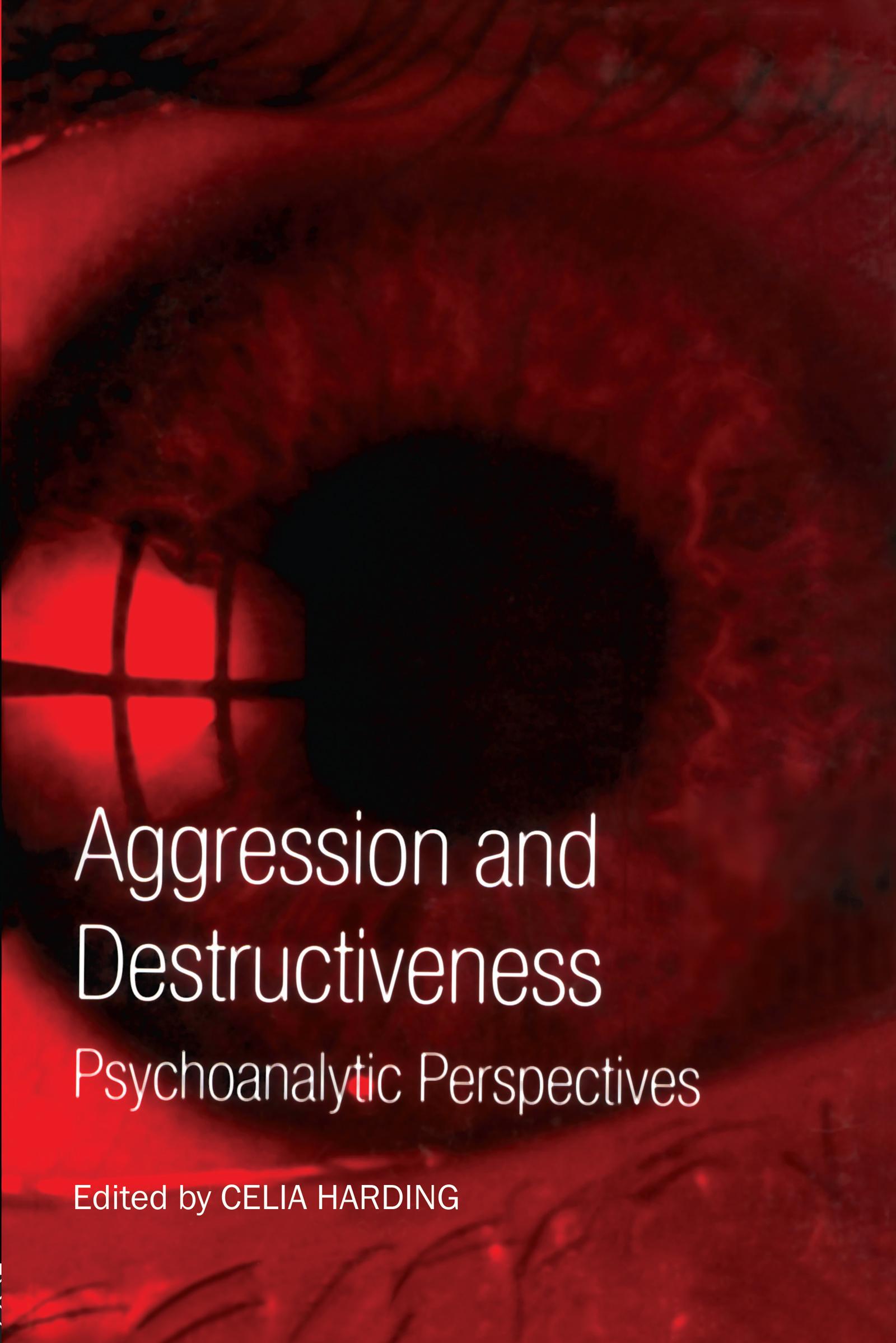
Why, when and how does aggression go wrong?
How can we make sense of apparently meaningless destructiveness and violence
Aggression is a part of human nature that energises our relationships, acts as an impetus for psychic development, and enables us to master our world. More often, we focus on its more destructive aspects, such as the violence individuals inflict on themselves or others and overlook the positive functions of aggression.
In Aggression and Destructiveness Celia Harding brings together contributions from experienced psychoanalysts and psychoanalytic psychotherapists to explore the roots of aggression and the clinical dilemmas it presents in psychotherapy. Beginning with accounts of aggression and destructiveness from a range of developmental and theoretical perspectives, the book provides useful insights into subjects including:
- Bullying and abusive relationships
- Male and female violence and destructiveness
- Depressive, perverse and psychotic states of mind
- Attacks on therapeutic treatment
This book makes a valuable contribution to the attempt to make sense of human aggression, destructiveness and violence perpetrated against the self, others and reality. It will be of great interest to trainee and qualified psychodynamic counsellors, psychoanalytic psychotherapists and psychoanalysts.
Zahle einfach mit Karte, Klarna, Apple Pay oder Google Pay. Nicht zufrieden? Du hast immer ein 14-tägiges Widerrufsrecht. Lies mehr in unseren AGB. Hast du Fragen, schreib uns eine E-Mail an hello@memmo.org.
Memmo macht das Lernen einfacher – wo auch immer du bist. Bei uns findest du deine Kursbücher und smarte Lerntools an einem Ort: Zusammenfassungen, Quizzes, Podcasts und Lernkarten. Und Ted, dein Lernbuddy, beantwortet alles, was du wissen möchtest. Über 50.000 Studierende lernen bereits hier – gemacht, damit du schneller lernst und weniger Stress hast.