
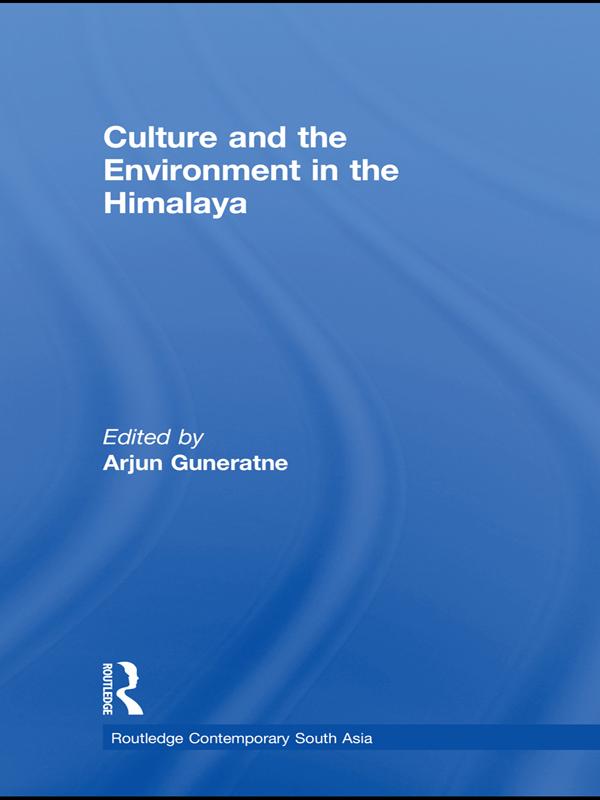
This book is concerned with human-environment relations in the Himalaya. It explores how different populations and communities in the region understand or conceive of the concept of environment, how their concepts vary across lines of gender, class, age, status, and what this implies for policy makers in the fields of environmental conservation and development. The chapters in this book analyse the symbolic schema that shape human-environment relations, whether that of scientists studying the Himalayan environment, public officials crafting policy about it, or people making a living from their engagement with it, and the way that natural phenomena themselves shape human perception of the world.
A new approach to the study of the environment in South Asia, this book introduces the new thinking in environmental anthropology and geography into the study of the Himalaya and uses Himalayan ethnography to interrogate and critique contemporary theorizing about the environment.
Zahle einfach mit Karte, Klarna, Apple Pay oder Google Pay. Nicht zufrieden? Du hast immer ein 14-tägiges Widerrufsrecht. Lies mehr in unseren AGB. Hast du Fragen, schreib uns eine E-Mail an hello@memmo.org.
Memmo macht das Lernen einfacher – wo auch immer du bist. Bei uns findest du deine Kursbücher und smarte Lerntools an einem Ort: Zusammenfassungen, Quizzes, Podcasts und Lernkarten. Und Ted, dein Lernbuddy, beantwortet alles, was du wissen möchtest. Über 50.000 Studierende lernen bereits hier – gemacht, damit du schneller lernst und weniger Stress hast.