
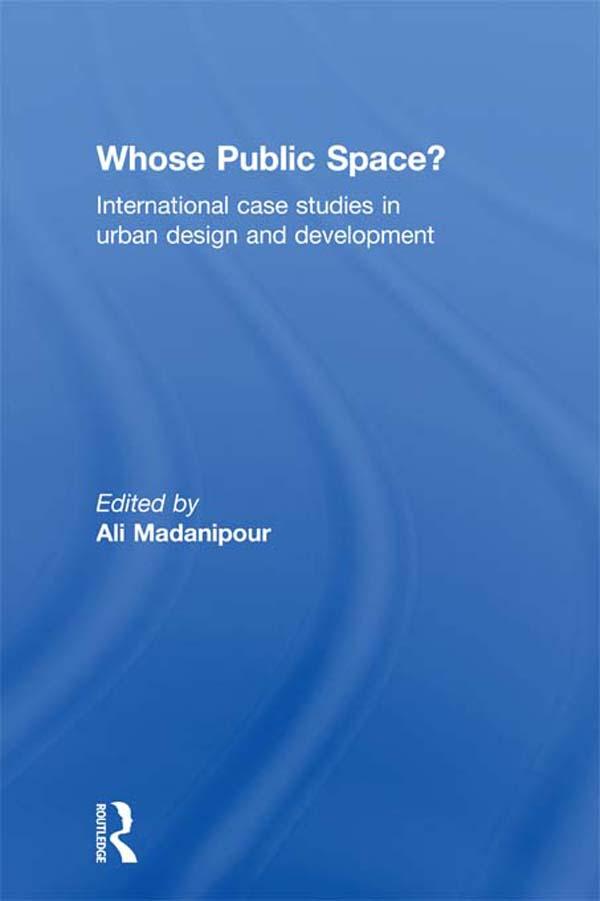
Public spaces mirror the complexities of urban societies: as historic social bonds have weakened and cities have become collections of individuals public open spaces have also changed from being embedded in the social fabric of the city to being a part of more impersonal and fragmented urban environments. Can making public spaces help overcome this fragmentation, where accessible spaces are created through inclusive processes? This book offers some answers to this question through analysing the process of urban design and development in international case studies, in which the changing character, level of accessibility, and the tensions of making public spaces are explored.
The book uses a coherent theoretical outlook to investigate a series of case studies, crossing the cultural divides to examine the similarities and differences of public space in different urban contexts, and its critical analysis of the process of development, management and use of public space, with all its tensions and conflicts. While each case study investigates the specificities of a particular city, the book outlines some general themes in global urban processes. It shows how public spaces are a key theme in urban design and development everywhere, how they are appreciated and used by the people of these cities, but also being contested by and under pressure from different stakeholders.
Zahle einfach mit Karte, Klarna, Apple Pay oder Google Pay. Nicht zufrieden? Du hast immer ein 14-tägiges Widerrufsrecht. Lies mehr in unseren AGB. Hast du Fragen, schreib uns eine E-Mail an hello@memmo.org.
Memmo macht das Lernen einfacher – wo auch immer du bist. Bei uns findest du deine Kursbücher und smarte Lerntools an einem Ort: Zusammenfassungen, Quizzes, Podcasts und Lernkarten. Und Ted, dein Lernbuddy, beantwortet alles, was du wissen möchtest. Über 50.000 Studierende lernen bereits hier – gemacht, damit du schneller lernst und weniger Stress hast.