
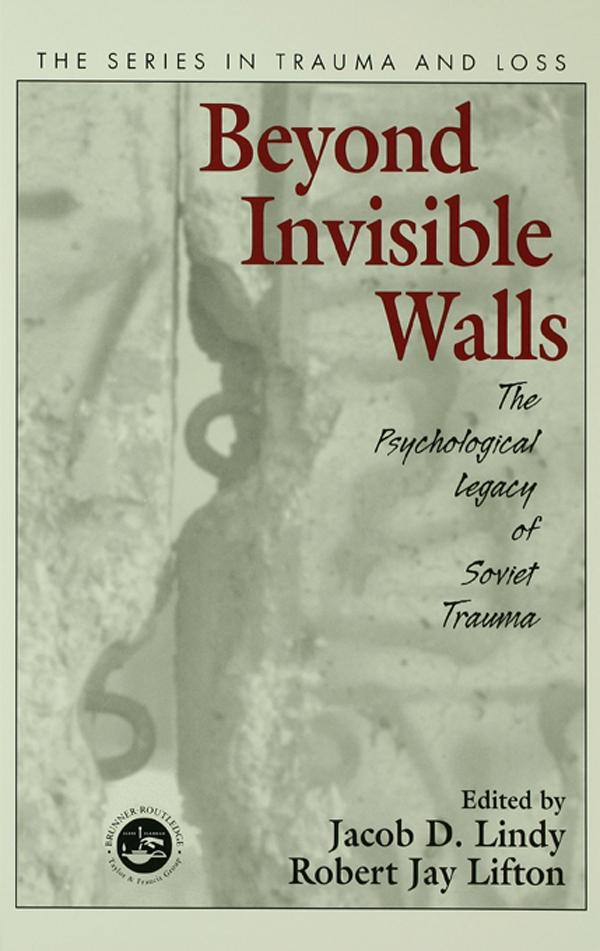
When the Berlin Wall fell in 1989, Westerners watched those who had survived the era of Soviet trauma emerge into what we hoped would be the exhilarating light of freedom. What we have witnessed, however, is a slow and painful process of progression and regression, of hope and disillusionment, of unexpected psychological barriers: invisible walls that block the progress we had hoped for. In Beyond Invisible Walls, East European therapists, themselves, draw a compelling picture of the waves of trauma that their people endured, the institutions of trauma that remained well after Stalin's era, and their impact on survivors and their families. They describe the psychological remnants of those years: walls that confine people by unconsciously preserving old adaptations to political terror, walls that divide one part of the mind from another, and walls that rise between one generation and the next. These therapists' stories allow us a striking glimpse into how patients' trauma evokes the therapists' own wounds; how both speaker and empathic listener find their way to a healing process, how the two begin to dismantle these invisible walls.
Zahle einfach mit Karte, Klarna, Apple Pay oder Google Pay. Nicht zufrieden? Du hast immer ein 14-tägiges Widerrufsrecht. Lies mehr in unseren AGB. Hast du Fragen, schreib uns eine E-Mail an hello@memmo.org.
Memmo macht das Lernen einfacher – wo auch immer du bist. Bei uns findest du deine Kursbücher und smarte Lerntools an einem Ort: Zusammenfassungen, Quizzes, Podcasts und Lernkarten. Und Ted, dein Lernbuddy, beantwortet alles, was du wissen möchtest. Über 50.000 Studierende lernen bereits hier – gemacht, damit du schneller lernst und weniger Stress hast.
Das könnte dir auch gefallen
Buch kaufen0