
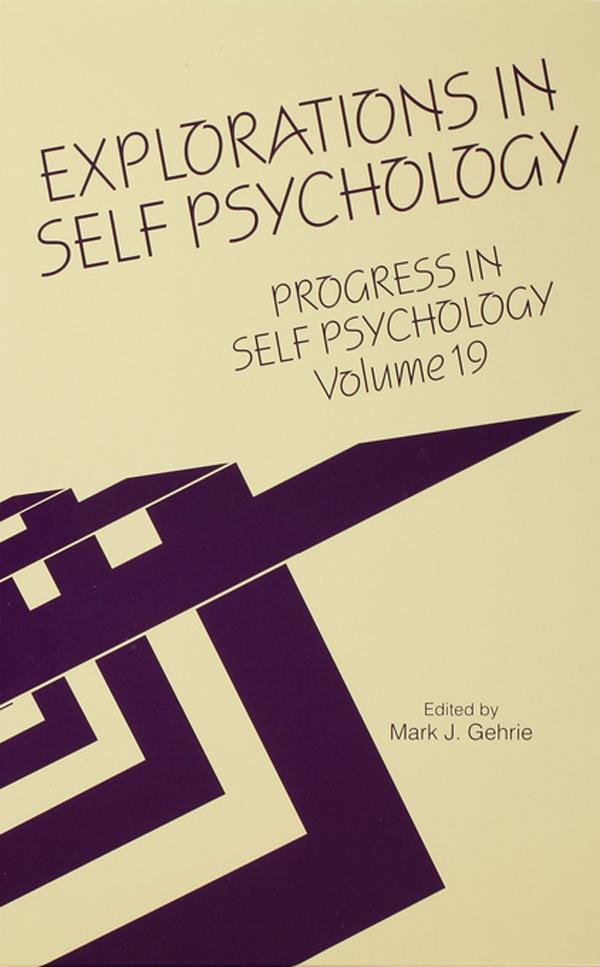
The contributors to Explorations in Self Psychology, volume 19 of the Progress in Self Psychology series, wrestle with two interrelated questions at the nexus of contemporary discussions of technique: How "authentic" and relationally invested should the self psychologically informed analyst be, and what role should self-disclosure play in the treatment process? The responses to these questions embrace the full range of clinical possibilities. Dudley and Walker argue that empathically based interpretation precludes self-disclosure whereas Miller argues in favor of authentic self-expression and against the self psychologist's frustrating attempt to "decenter" from frustration or anger. Consideration of the utility of a consistently empathic stance continues with Weisel-Barth's clinical presentation and the discussions that it elicits about management of her patient's primary destructiveness. Lenoff's critical rereading of Kohut's "Examination of the Relationship Between Mode of Observation and Theory" and Rieveschl & Cowan's "Selfhood and the Dance of Empathy" deepen still further a contemporary perspective on the nature (and advisability) of a consistently empathic stance in the face of interactive and enactive treatment challenges.
Other timely self-psychological explorations examine the twinship selfobject experience and homosexuality; self-psychological work with adolescents; and Neville Symington's theory of narcissism. Contributions to applied analysis explore topics as diverse as an exchange of dreams between John Adams and Benjamin Rush; Mann's Death in Venice; the films of Ingmar Bergman; psychotherapy of the elderly; and disabilities in the sensory-motor integration in children. And Volume 19 concludes with Constance Goldberg's candid and enlightening reminiscence of Heinz Kohut, "a very complex man with whom to be in a relationship."
Zahle einfach mit Karte, Klarna, Apple Pay oder Google Pay. Nicht zufrieden? Du hast immer ein 14-tägiges Widerrufsrecht. Lies mehr in unseren AGB. Hast du Fragen, schreib uns eine E-Mail an hello@memmo.org.
Memmo macht das Lernen einfacher – wo auch immer du bist. Bei uns findest du deine Kursbücher und smarte Lerntools an einem Ort: Zusammenfassungen, Quizzes, Podcasts und Lernkarten. Und Ted, dein Lernbuddy, beantwortet alles, was du wissen möchtest. Über 50.000 Studierende lernen bereits hier – gemacht, damit du schneller lernst und weniger Stress hast.