
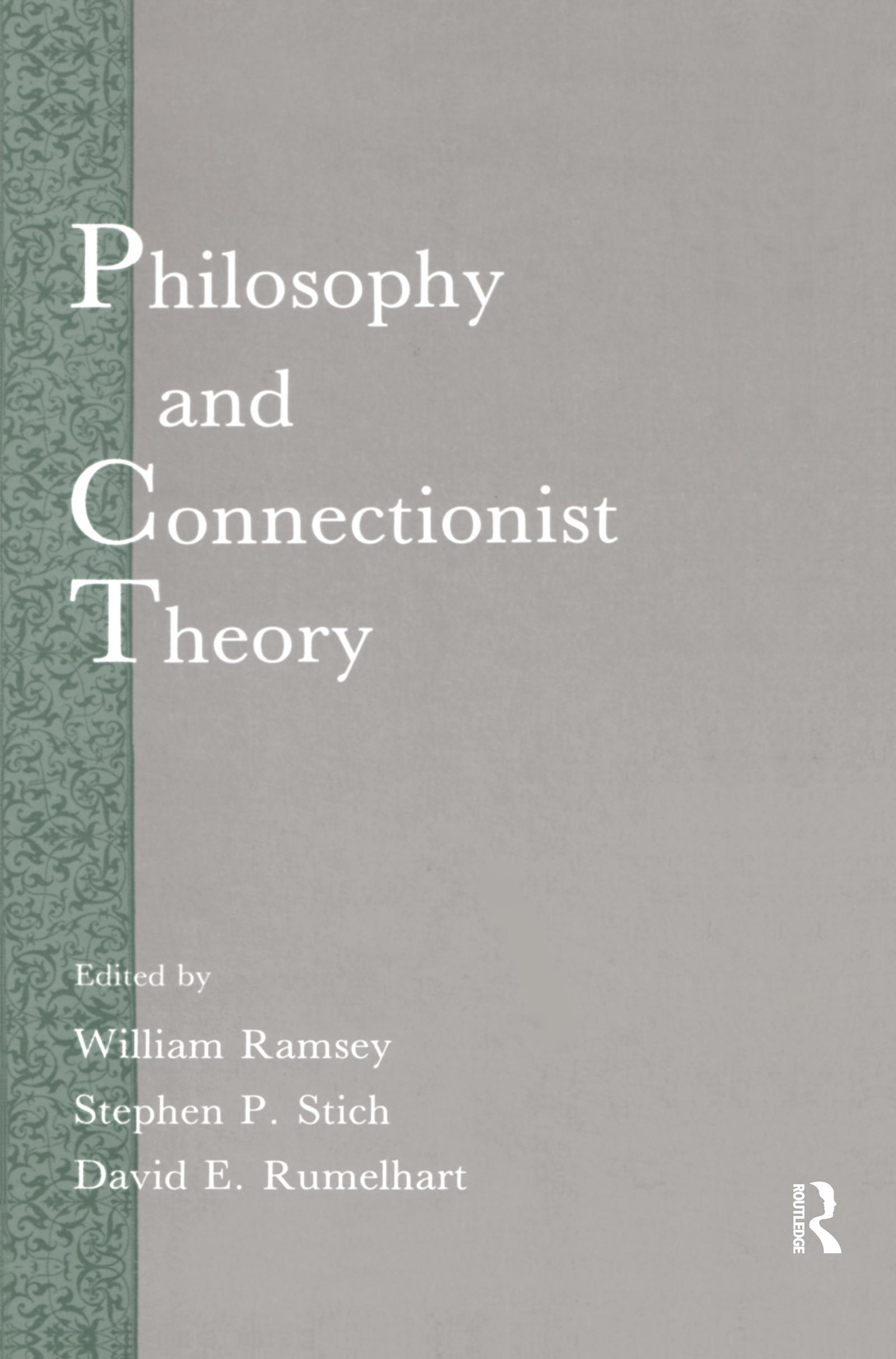
The philosophy of cognitive science has recently become one of the most exciting and fastest growing domains of philosophical inquiry and analysis. Until the early 1980s, nearly all of the models developed treated cognitive processes -- like problem solving, language comprehension, memory, and higher visual processing -- as rule-governed symbol manipulation. However, this situation has changed dramatically over the last half dozen years. In that period there has been an enormous shift of attention toward connectionist models of cognition that are inspired by the network-like architecture of the brain. Because of their unique architecture and style of processing, connectionist systems are generally regarded as radically different from the more traditional symbol manipulation models.
This collection was designed to provide philosophers who have been working in the area of cognitive science with a forum for expressing their views on these recent developments. Because the symbol-manipulating paradigm has been so important to the work of contemporary philosophers, many have watched the emergence of connectionism with considerable interest. The contributors take very different stands toward connectionism, but all agree that the potential exists for a radical shift in the way many philosophers think of various aspects of cognition. Exploring this potential and other philosophical dimensions of connectionist research is the aim of this volume.
Zahle einfach mit Karte, Klarna, Apple Pay oder Google Pay. Nicht zufrieden? Du hast immer ein 14-tägiges Widerrufsrecht. Lies mehr in unseren AGB. Hast du Fragen, schreib uns eine E-Mail an hello@memmo.org.
Memmo macht das Lernen einfacher – wo auch immer du bist. Bei uns findest du deine Kursbücher und smarte Lerntools an einem Ort: Zusammenfassungen, Quizzes, Podcasts und Lernkarten. Und Ted, dein Lernbuddy, beantwortet alles, was du wissen möchtest. Über 50.000 Studierende lernen bereits hier – gemacht, damit du schneller lernst und weniger Stress hast.