
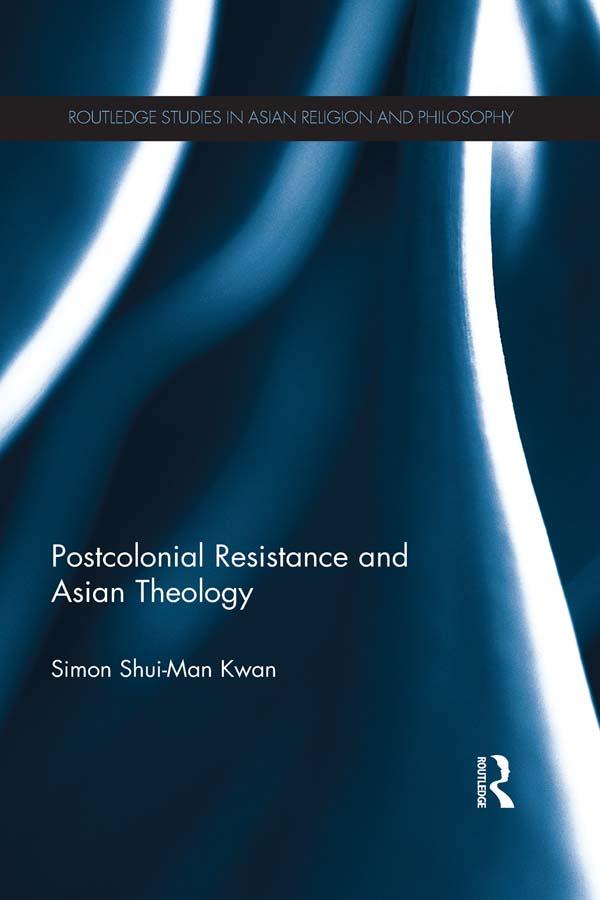
Presenting a fundamental re-thinking of Asian theology, this book focuses on theological indigenization in Asia in light of the postcolonial theory of resistance advanced by Homi K. Bhabha, among others.
Two types of anti-colonialist resistance within Asian theologies are identified and interrogated. The first is nationalistic in kind, operating from a theological language that is binaristic and oppositional. The second is illustrated by that which was mounted by the three Chinese Christian thinkers whose indigenous theologies are analysed in this book as case studies. This second kind, postcolonial in its character, is characterized by collaboration rather than antagonistic binarism. In spite of much dissimilarity between these two kinds of resistance, the book argues that they are similarly anti-colonialist, and both can be equally valid in resisting colonial forces. Given that the binarism and antagonism imbedded in the Asian theological movement are historically contingent, and that the sole reliance on this resistance has made the movement self-ensnaring, the book suggests that the Asian theological movement widen its choice of colonial-resistant strategies.
Drawing attention to the otherwise subtle politics of the Asian theological indigenization discourse, this book addresses the relationship between postcolonialism and Asia contextual theology, and is of interest to students and scholars of Asian Religion and Philosophy.
Zahle einfach mit Karte, Klarna, Apple Pay oder Google Pay. Nicht zufrieden? Du hast immer ein 14-tägiges Widerrufsrecht. Lies mehr in unseren AGB. Hast du Fragen, schreib uns eine E-Mail an hello@memmo.org.
Memmo macht das Lernen einfacher – wo auch immer du bist. Bei uns findest du deine Kursbücher und smarte Lerntools an einem Ort: Zusammenfassungen, Quizzes, Podcasts und Lernkarten. Und Ted, dein Lernbuddy, beantwortet alles, was du wissen möchtest. Über 50.000 Studierende lernen bereits hier – gemacht, damit du schneller lernst und weniger Stress hast.