
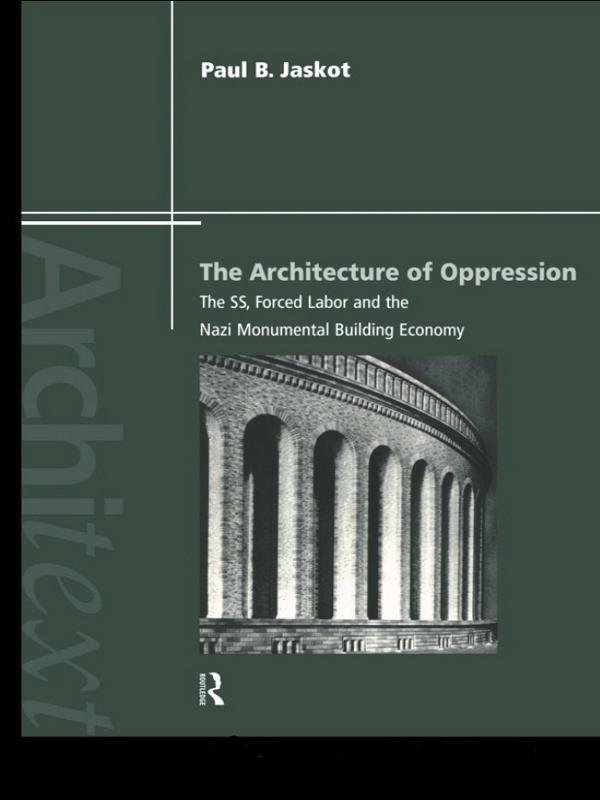
This book re-evaluates the architectural history of Nazi Germany and looks at the development of the forced-labour concentration camp system. Through an analysis of such major Nazi building projects as the Nuremberg Party Rally Grounds and the rebuilding of Berlin, Jaskot ties together the development of the German building economy, state architectural goals and the rise of the SS as a political and economic force. As a result, The Architecture of Oppression contributes to our understanding of the conjunction of culture and politics in the Nazi period as well as the agency of architects and SS administrators in enabling this process.
Zahle einfach mit Karte, Klarna, Apple Pay oder Google Pay. Nicht zufrieden? Du hast immer ein 14-tägiges Widerrufsrecht. Lies mehr in unseren AGB. Hast du Fragen, schreib uns eine E-Mail an hello@memmo.org.
Memmo macht das Lernen einfacher – wo auch immer du bist. Bei uns findest du deine Kursbücher und smarte Lerntools an einem Ort: Zusammenfassungen, Quizzes, Podcasts und Lernkarten. Und Ted, dein Lernbuddy, beantwortet alles, was du wissen möchtest. Über 50.000 Studierende lernen bereits hier – gemacht, damit du schneller lernst und weniger Stress hast.