
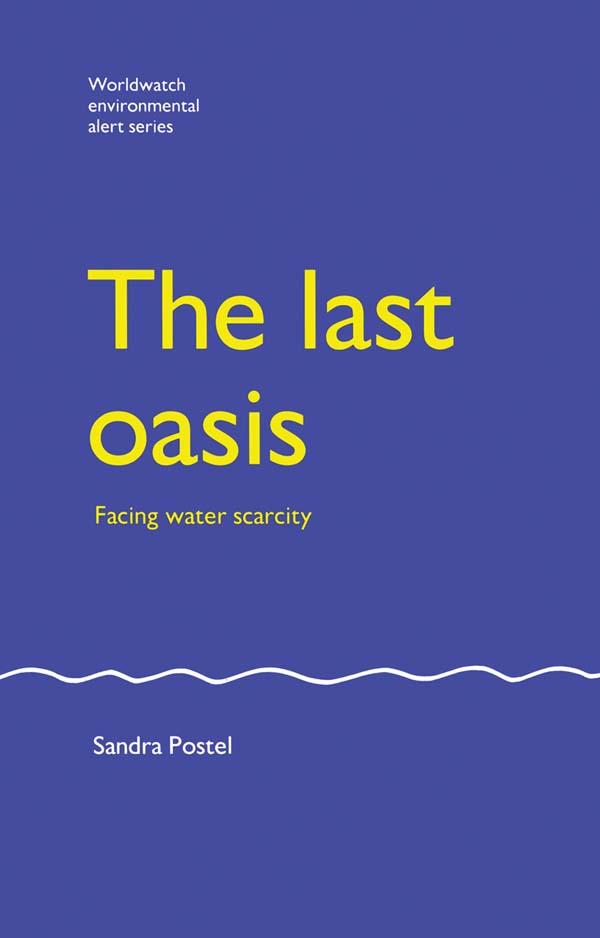
For decades now we have wasted and mismanaged the world?s water supplies. Today, 27 countries are short of water, a quarter of the world?s population has no safe water, 46 per cent have no proper sanitation and each year four million children die of water-borne diseases. As most of the world?s major river systems cross several national boundaries, the scope disputes and the threat to international security is becoming more and more real.
In The Last Oasis, Sandra Postel examines the economic, ecological and political factors affecting fresh water supply. She confronts the issues of mismanagement and profligacy and analyses and dangers of confrontation, both between nations and between rural and urban users. She also emphasises that the technology and know-how for effective water husbandry does exist. With methods already in use, farmers could cut their demand for water by 40-90 per cent, and cities by one-third, without sacrificing economic output or quality of life.
Investing in water efficiency, recycling and conservation help meet rising demands and stave off disaster. But the priority is a common recognition of the gravity of the position, and with that a widespread push for institutions to manage sustainable use of water.
Zahle einfach mit Karte, Klarna, Apple Pay oder Google Pay. Nicht zufrieden? Du hast immer ein 14-tägiges Widerrufsrecht. Lies mehr in unseren AGB. Hast du Fragen, schreib uns eine E-Mail an hello@memmo.org.
Memmo macht das Lernen einfacher – wo auch immer du bist. Bei uns findest du deine Kursbücher und smarte Lerntools an einem Ort: Zusammenfassungen, Quizzes, Podcasts und Lernkarten. Und Ted, dein Lernbuddy, beantwortet alles, was du wissen möchtest. Über 50.000 Studierende lernen bereits hier – gemacht, damit du schneller lernst und weniger Stress hast.