
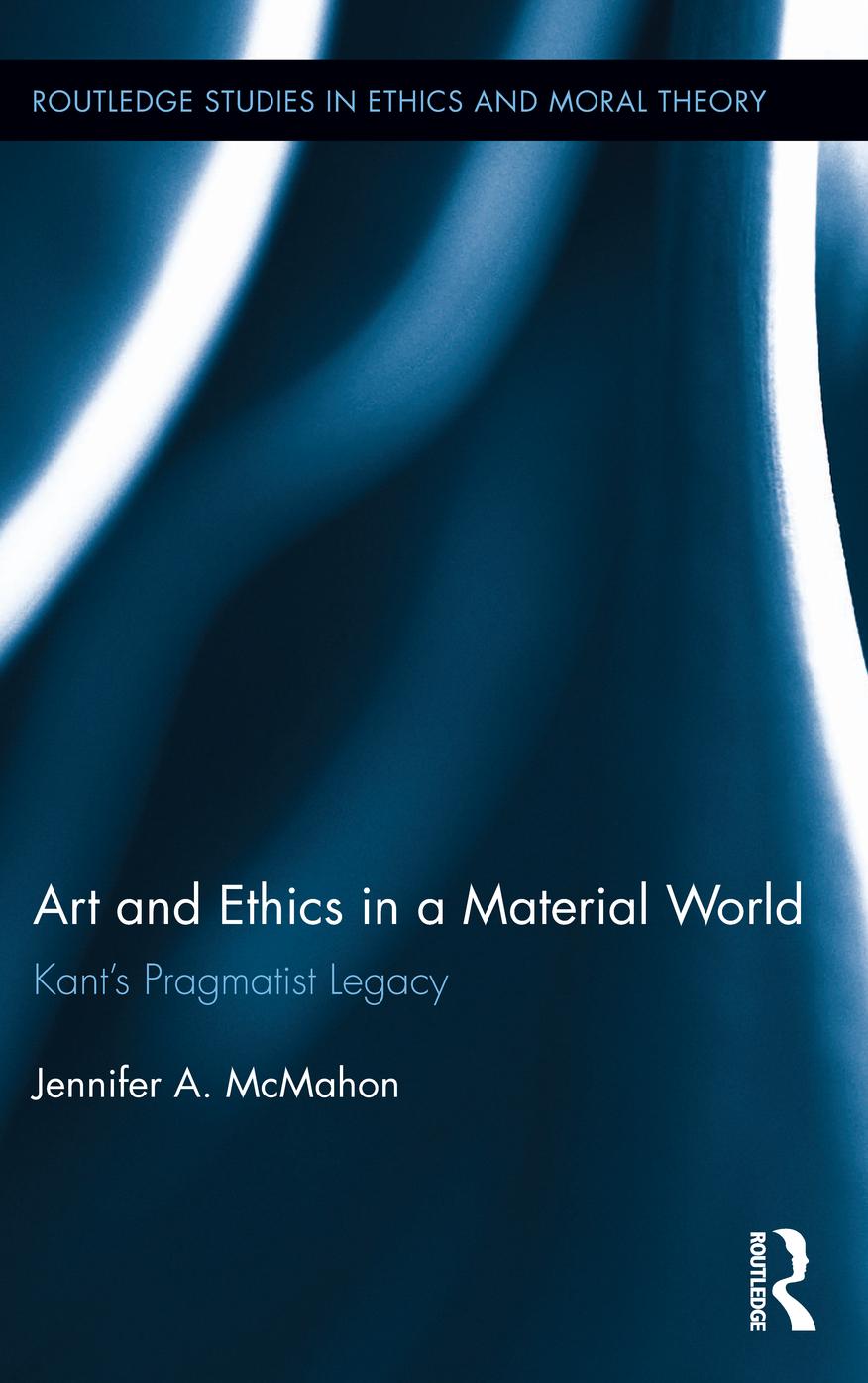
In this book, McMahon argues that a reading of Kant’s body of work in the light of a pragmatist theory of meaning and language (which arguably is a Kantian legacy) leads one to put community reception ahead of individual reception in the order of aesthetic relations. A core premise of the book is that neo-pragmatism draws attention to an otherwise overlooked aspect of Kant’s "Critique of Aesthetic Judgment," and this is the conception of community which it sets forth.
While offering an interpretation of Kant’s aesthetic theory, the book focuses on the implications of Kant’s third critique for contemporary art. McMahon draws upon Kant and his legacy in pragmatist theories of meaning and language to argue that aesthetic judgment is a version of moral judgment: a way to cultivate attitudes conducive to community, which plays a pivotal role in the evolution of language, meaning, and knowledge.
Zahle einfach mit Karte, Klarna, Apple Pay oder Google Pay. Nicht zufrieden? Du hast immer ein 14-tägiges Widerrufsrecht. Lies mehr in unseren AGB. Hast du Fragen, schreib uns eine E-Mail an hello@memmo.org.
Memmo macht das Lernen einfacher – wo auch immer du bist. Bei uns findest du deine Kursbücher und smarte Lerntools an einem Ort: Zusammenfassungen, Quizzes, Podcasts und Lernkarten. Und Ted, dein Lernbuddy, beantwortet alles, was du wissen möchtest. Über 50.000 Studierende lernen bereits hier – gemacht, damit du schneller lernst und weniger Stress hast.