
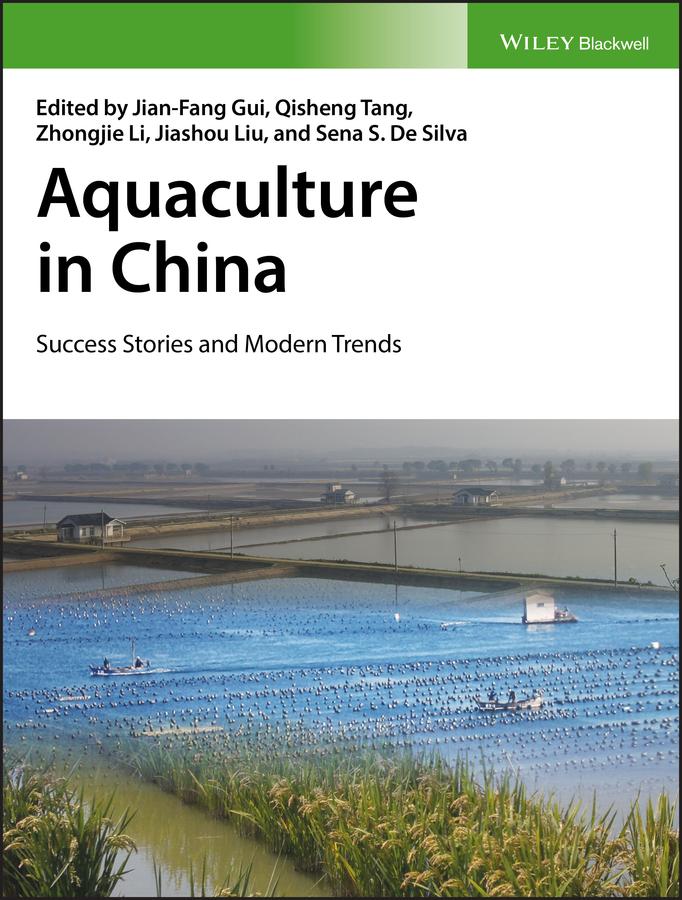
Fish have been a major component of our diet and it has been suggested that fish/seafood consumption contributed to the development of the human brain, and this together with the acquisition of bipedalism, perhaps made us what we are. In the modern context global fish consumption is increasing. However, unlike our other staples, until a few years back the greater proportion of our fish supplies were of a hunted origin. This scenario is changing and a greater proportion of fish we consume now is of farmed origin.
Aquaculture, the farming of waters, is thought to have originated in China, many millennia ago. Nevertheless, it transformed into a major food sector only since the second half of the last century, and continues to forge ahead, primarily in the developing world. China leads the global aquaculture production in volume, in the number of species that are farmed, and have contributed immensely to transforming the practices from an art to a science.
This book attempts to capture some of the key elements and practices that have contributed to the success of Chinese aquaculture. The book entails contributions from over 100 leading experts in China, and provides insights into some aquaculture practices that are little known to the rest of the world. This book will be essential reading for aquaculturists, practitioners, researchers and students, and planners and developers.Zahle einfach mit Karte, Klarna, Apple Pay oder Google Pay. Nicht zufrieden? Du hast immer ein 14-tägiges Widerrufsrecht. Lies mehr in unseren AGB. Hast du Fragen, schreib uns eine E-Mail an hello@memmo.org.
Memmo macht das Lernen einfacher – wo auch immer du bist. Bei uns findest du deine Kursbücher und smarte Lerntools an einem Ort: Zusammenfassungen, Quizzes, Podcasts und Lernkarten. Und Ted, dein Lernbuddy, beantwortet alles, was du wissen möchtest. Über 50.000 Studierende lernen bereits hier – gemacht, damit du schneller lernst und weniger Stress hast.