
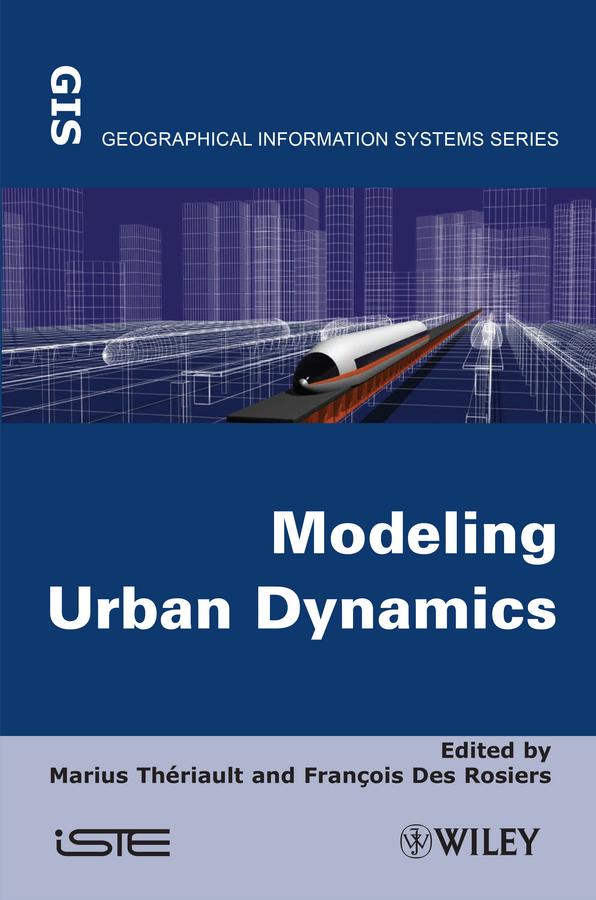
The field of Urban Dynamics itself is based on the systems engineering concept that all complex systems (and cities and urban areas are no exception) are comprised of independent and often smaller, more understandable sub-components with relationships to one another. This allows for the system as a whole to be modeled, using knowledge of the individual subsystems and their behaviors. In this instance, urban dynamics allows for the modeling and understanding of land use, the attractiveness of space to residents, and how the ageing and obsolescence of buildings affects planning and economic development, as well as population movements, with the urban landscape.
The book adopts a trans-disciplinary approach that looks at the way residential mobility, commuting patterns, and travel behavior affect the urban form. It addresses a series of issues dealing with the accessibility of urban amenities, quality of life, and assessment of landscape residential choices, as well as measurement of external factors in the urban environment and their impact on property values.
Zahle einfach mit Karte, Klarna, Apple Pay oder Google Pay. Nicht zufrieden? Du hast immer ein 14-tägiges Widerrufsrecht. Lies mehr in unseren AGB. Hast du Fragen, schreib uns eine E-Mail an hello@memmo.org.
Memmo macht das Lernen einfacher – wo auch immer du bist. Bei uns findest du deine Kursbücher und smarte Lerntools an einem Ort: Zusammenfassungen, Quizzes, Podcasts und Lernkarten. Und Ted, dein Lernbuddy, beantwortet alles, was du wissen möchtest. Über 50.000 Studierende lernen bereits hier – gemacht, damit du schneller lernst und weniger Stress hast.