
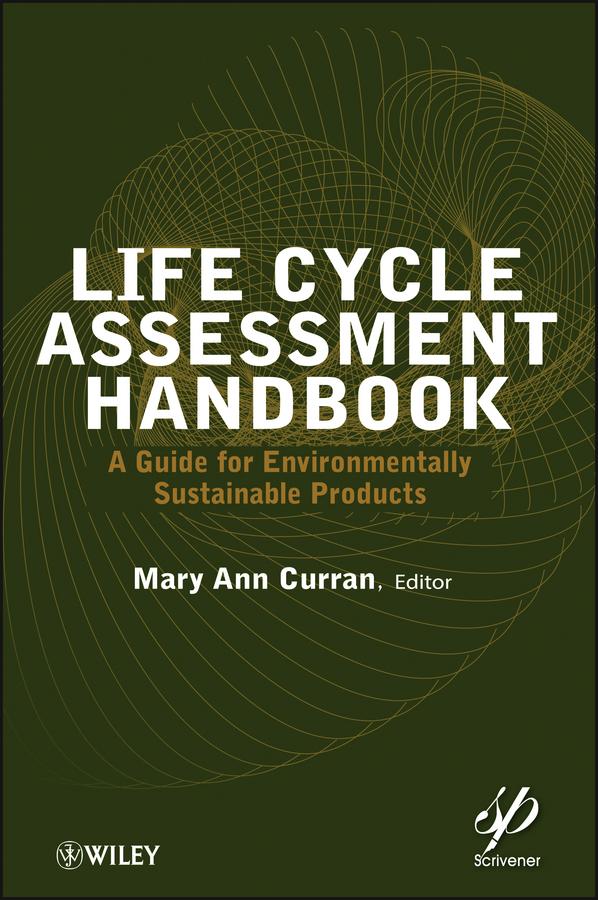
The first book of its kind, the Life Cycle Assessment Handbook: A Guide for Environmentally Sustainable Products will become an invaluable resource for environmentally progressive manufacturers and suppliers, product and process designers, executives and managers, and government officials who want to learn about this essential component of environmental sustainability.
As the last several decades have seen a dramatic rise in the application of Life Cycle Assessment (LCA) in decision making, the interest in the life cycle concept as an environmental management and sustainability tool continues to grow. The LCA Handbook offers a look at the role that life cycle information, in the hands of companies, governments, and consumers, may have in improving the environmental performance of products and technologies. It concisely and clearly presents the various aspects of LCA in order to help the reader better understand the subject.
The content of the book was designed with a certain flow in mind. After a high-level overview to describe current views and state-of-the-practice of LCA, it presents chapters that address specific LCA methodological issues including creating life cycle inventory, life cycle impact assessment, and capturing eco-systems services. These are followed by example applications of LCA in the agri-food industry; sustainable supply chain management; solid waste management; mining and mineral extraction; forest products; buildings; product innovation; and sustainable chemistry and engineering.
The international success of the sustainability paradigm needs the participation of many stakeholders, including citizens, corporations, academia, and NGOs. The handbook links LCA and responsible decision making and how the life cycle concept is a critical element in environmental sustainability. It covers issues such as building capacity in developing countries and emerging economies so that they are more capable of harnessing the potential in LCA for sustainable development. Governments play a very important role with the leverage they have through procurement, regulation, international treaties, tax incentives, public outreach, and other policy tools. This compilation points to the clear trend for incorporating life cycle information into the design and development processes for products and policies, just as quality and safety concerns are now addressed throughout product design and development.
Zahle einfach mit Karte, Klarna, Apple Pay oder Google Pay. Nicht zufrieden? Du hast immer ein 14-tägiges Widerrufsrecht. Lies mehr in unseren AGB. Hast du Fragen, schreib uns eine E-Mail an hello@memmo.org.
Memmo macht das Lernen einfacher – wo auch immer du bist. Bei uns findest du deine Kursbücher und smarte Lerntools an einem Ort: Zusammenfassungen, Quizzes, Podcasts und Lernkarten. Und Ted, dein Lernbuddy, beantwortet alles, was du wissen möchtest. Über 50.000 Studierende lernen bereits hier – gemacht, damit du schneller lernst und weniger Stress hast.