
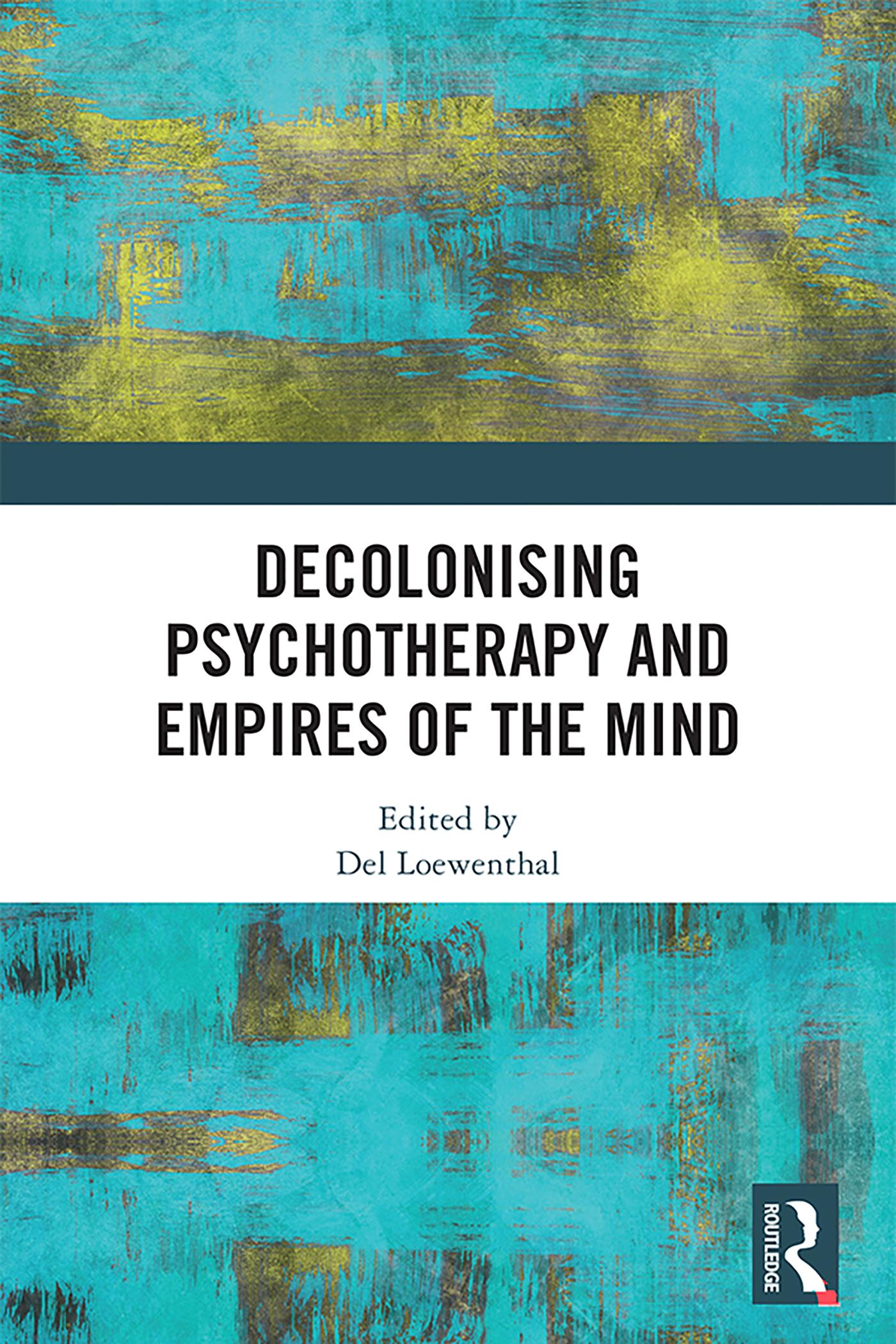
This book invites clinicians, theoreticians, and researchers to consider the many ways decolonising psychotherapy can influence psychotherapeutic practices, theories, and research. The increasing recognition of examining postcolonialism in therapeutic practice, together with decolonising training and education, provides a vital opportunity to consider what it means for all people to be regarded as equal. This book explores attentiveness not only to how a client's culture, practices, and experiences may differ from the practitioner's, but also, crucially, the assumptions practitioners may hold about notions such as culture, superiority, and civilisation.
Essential questions are posed: Is it possible to think about these complex experiences and assumptions, even if they unsettle and disorientate? Does that render therapeutic encounters more fruitfully appropriate? Is it essential to consider that psychotherapy training often leads us to overvalue theories as objective and scientific, without recognizing them as products of Western Europe during colonialism, empires, and population shifts? To achieve this, psychotherapists must first reflect on their own colonial mindsets which can be wrongly normalised? How can practitioners and clients explore the complexities of pride in different heritages whilst working in a postcolonial way?
This book examines how decolonising perspectives can reshape psychotherapy by critically examining cultural, historical, and colonial assumptions embedded within the field, inviting practitioners to reflect on their positionality and engage with clients' diverse identities.
Addressing decolonial theory, postcolonial studies, psychotherapy practice, cultural competence, therapeutic ethics, and cross-cultural mental health, this book is essential for students, practicing psychotherapists, clinical psychologists, trainers, and researchers in counselling programs.
The chapters in this book were originally published as a special issue of European Journal of Psychotherapy and Counselling.
Zahle einfach mit Karte, Klarna, Apple Pay oder Google Pay. Nicht zufrieden? Du hast immer ein 14-tägiges Widerrufsrecht. Lies mehr in unseren AGB. Hast du Fragen, schreib uns eine E-Mail an hello@memmo.org.
Memmo macht das Lernen einfacher – wo auch immer du bist. Bei uns findest du deine Kursbücher und smarte Lerntools an einem Ort: Zusammenfassungen, Quizzes, Podcasts und Lernkarten. Und Ted, dein Lernbuddy, beantwortet alles, was du wissen möchtest. Über 50.000 Studierende lernen bereits hier – gemacht, damit du schneller lernst und weniger Stress hast.