
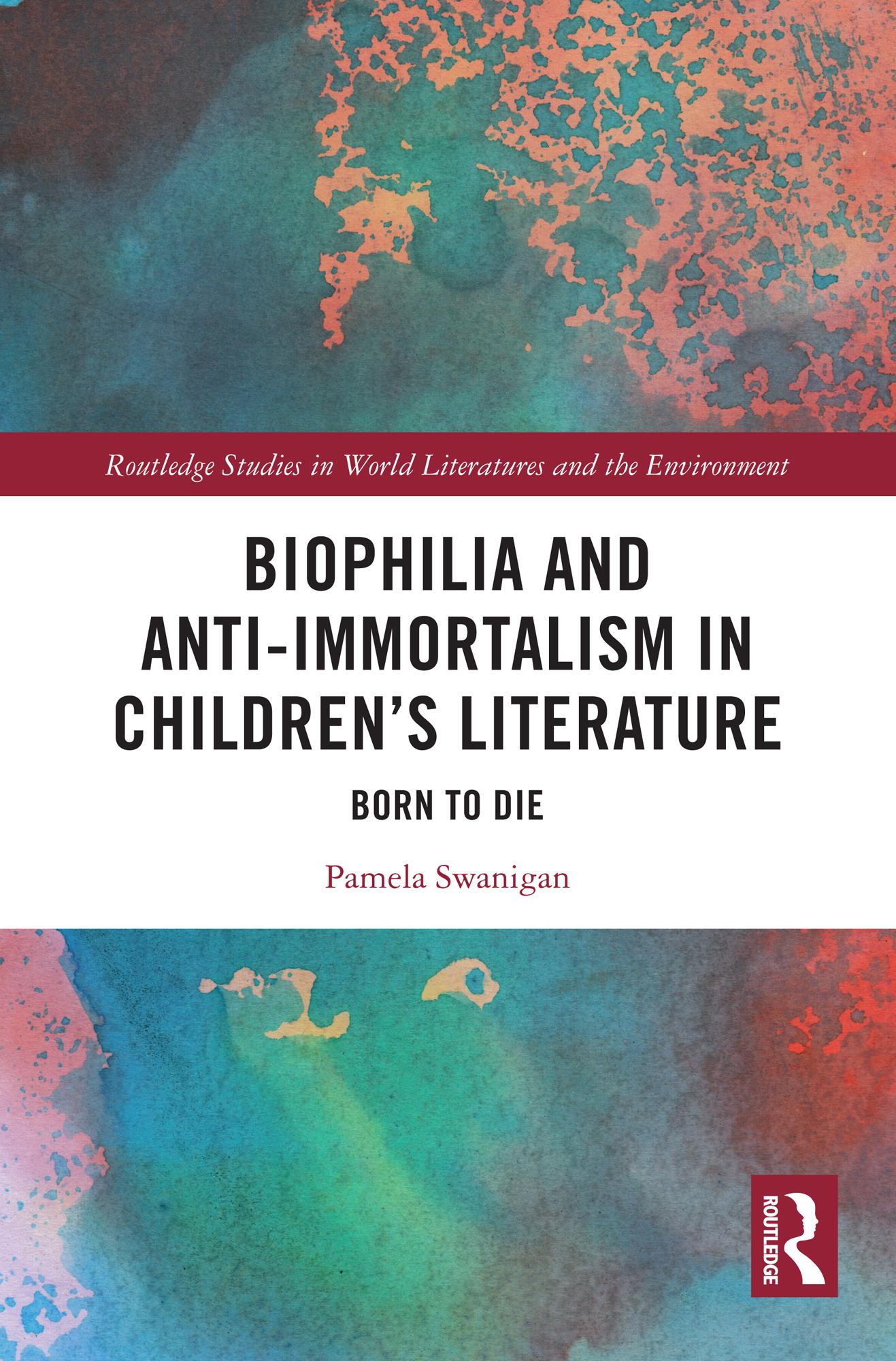
Children’s literature has traditionally been analyzed through humanist frameworks like psychoanalysis and gender theory, which, while legitimizing the genre’s study, fail to address its focus on animals, rural settings, and nature. This project takes a non-humanist, sociobiological approach, arguing that children’s literature has, for over a century, fostered what E. O. Wilson calls “biophilia”—an evolution-based affinity for living things expressed through innate impulses and predispositions. Focusing on chapter books with immortality as a theme, such as Frances Hodgson Burnett’s The Secret Garden, Natalie Babbitt’s Tuck Everlasting, and Ursula Le Guin’s The Other Wind, the study explores how children’s literature promotes a syncretic biotheism, revering life’s natural cycles while rejecting immortalist ideologies like Christian post-death immortality and secular life extension. These books depict human death as reintegration into nature, offering young readers a unique “ecological literacy.” This literacy cultivates values that conflict with industrialism, urbanization, and Christianity, creating “internal anomie” as readers transition into adulthood. By examining how children’s literature shapes ecological awareness and challenges dominant cultural mores, the project highlights the genre’s role in fostering a deeper connection to the natural world and its cycles, often overlooked in traditional critical analyses.
Zahle einfach mit Karte, Klarna, Apple Pay oder Google Pay. Nicht zufrieden? Du hast immer ein 14-tägiges Widerrufsrecht. Lies mehr in unseren AGB. Hast du Fragen, schreib uns eine E-Mail an hello@memmo.org.
Memmo macht das Lernen einfacher – wo auch immer du bist. Bei uns findest du deine Kursbücher und smarte Lerntools an einem Ort: Zusammenfassungen, Quizzes, Podcasts und Lernkarten. Und Ted, dein Lernbuddy, beantwortet alles, was du wissen möchtest. Über 50.000 Studierende lernen bereits hier – gemacht, damit du schneller lernst und weniger Stress hast.