
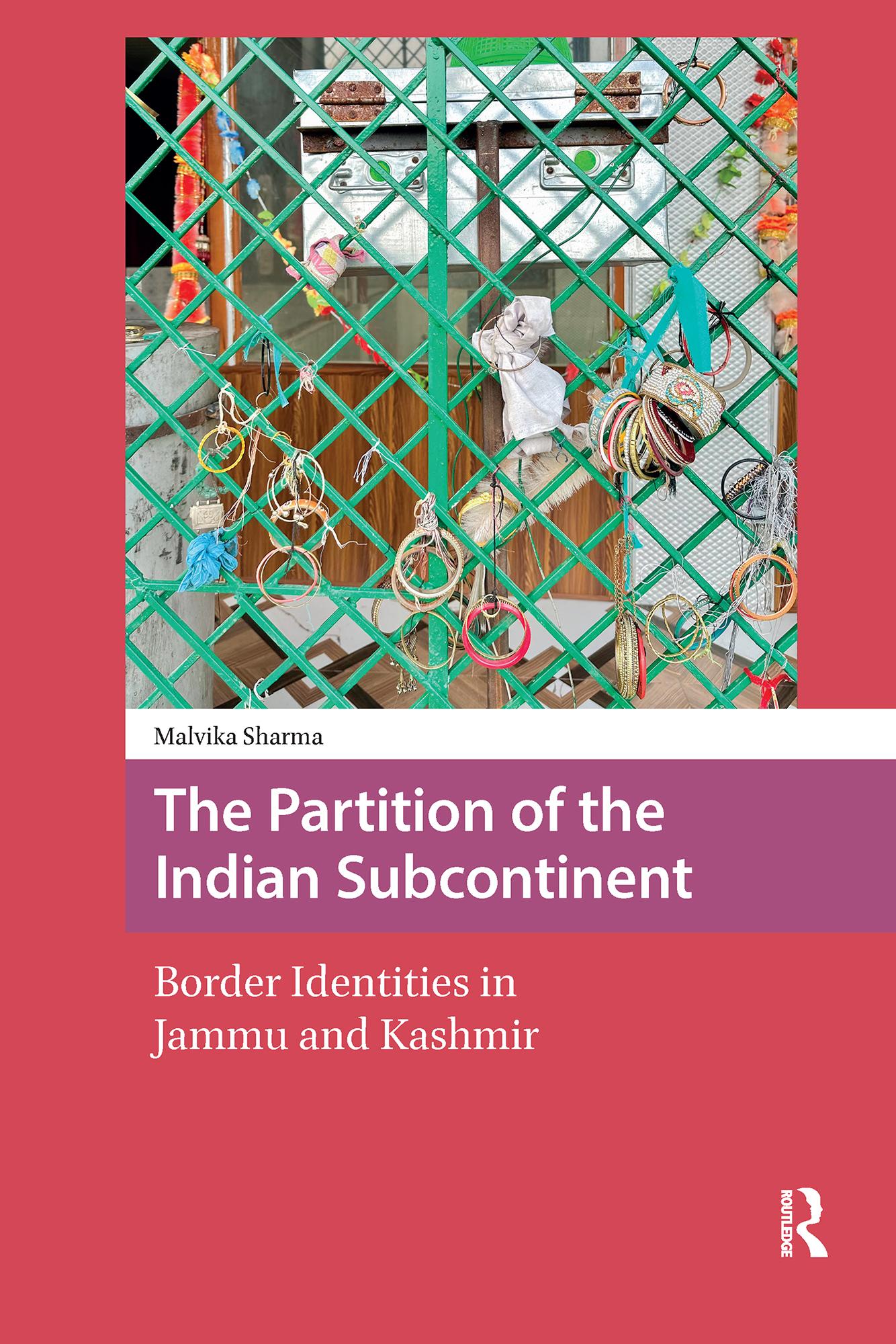
Pir-Panjals, the Himalayan ranges in Jammu and Kashmir, are home to various communities known for their distinctiveness, heterogeneity and diversity. Such diversity is historically embedded in the fluidity embodied by folds of Panjals. These folds encapsulated social, cultural, and religious plurality within the principalities that thrived here. The Partition of 1947 profoundly altered this by carving lines of demarcation—present day line-of-control—into the landscape. These lines have territorially, religiously and culturally divided ethnicities, including the Paharis of Poonch, known for multi-religious and linguistic cohesion. This book examines Partition’s impact on these pockets of diversity by exploring how Partition’s borders continue to shape social, symbolic and religious boundaries and how these boundaries impact shared plurality here. The work emphasizes the need to identify and archive sources of plurality so that their cultivation and practice continue to counter “the binaries” that essentially homogenize life-ways into categories of us versus them.
Zahle einfach mit Karte, Klarna, Apple Pay oder Google Pay. Nicht zufrieden? Du hast immer ein 14-tägiges Widerrufsrecht. Lies mehr in unseren AGB. Hast du Fragen, schreib uns eine E-Mail an hello@memmo.org.
Memmo macht das Lernen einfacher – wo auch immer du bist. Bei uns findest du deine Kursbücher und smarte Lerntools an einem Ort: Zusammenfassungen, Quizzes, Podcasts und Lernkarten. Und Ted, dein Lernbuddy, beantwortet alles, was du wissen möchtest. Über 50.000 Studierende lernen bereits hier – gemacht, damit du schneller lernst und weniger Stress hast.