
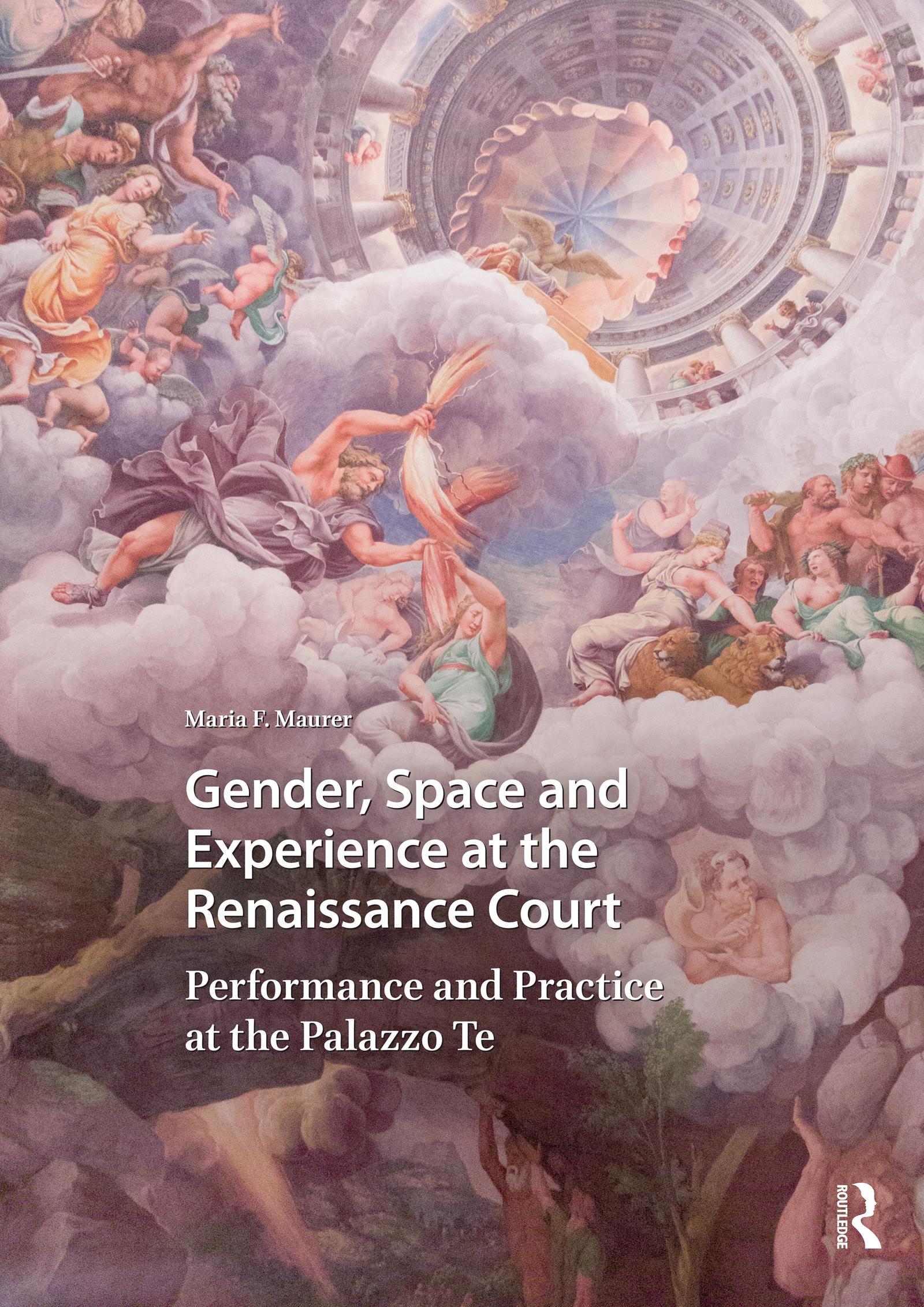
Gender, Space, and Experience at the Renaissance Court investigates the dynamic relationships between gender and architectural space in Renaissance Italy. It examines the ceremonial use and artistic reception of the Palazzo Te from the arrival of the Holy Roman Emperor Charles V in 1530 to the Sack of Mantua in 1630. This book further proposes that we conceptualise the built environment as a performative space, a space formed by the gendered relationships and actors of its time. The Palazzo Te was constituted by the gendered behaviors of sixteenth-century courtiers, but it was not simply a passive receptor of gender performance. Through its multivalent form and ceremonial function, Maria F. Maurer argues that the palace was an active participant in the construction and perception of femininity and masculinity in the early modern court.
Zahle einfach mit Karte, Klarna, Apple Pay oder Google Pay. Nicht zufrieden? Du hast immer ein 14-tägiges Widerrufsrecht. Lies mehr in unseren AGB. Hast du Fragen, schreib uns eine E-Mail an hello@memmo.org.
Memmo macht das Lernen einfacher – wo auch immer du bist. Bei uns findest du deine Kursbücher und smarte Lerntools an einem Ort: Zusammenfassungen, Quizzes, Podcasts und Lernkarten. Und Ted, dein Lernbuddy, beantwortet alles, was du wissen möchtest. Über 50.000 Studierende lernen bereits hier – gemacht, damit du schneller lernst und weniger Stress hast.