
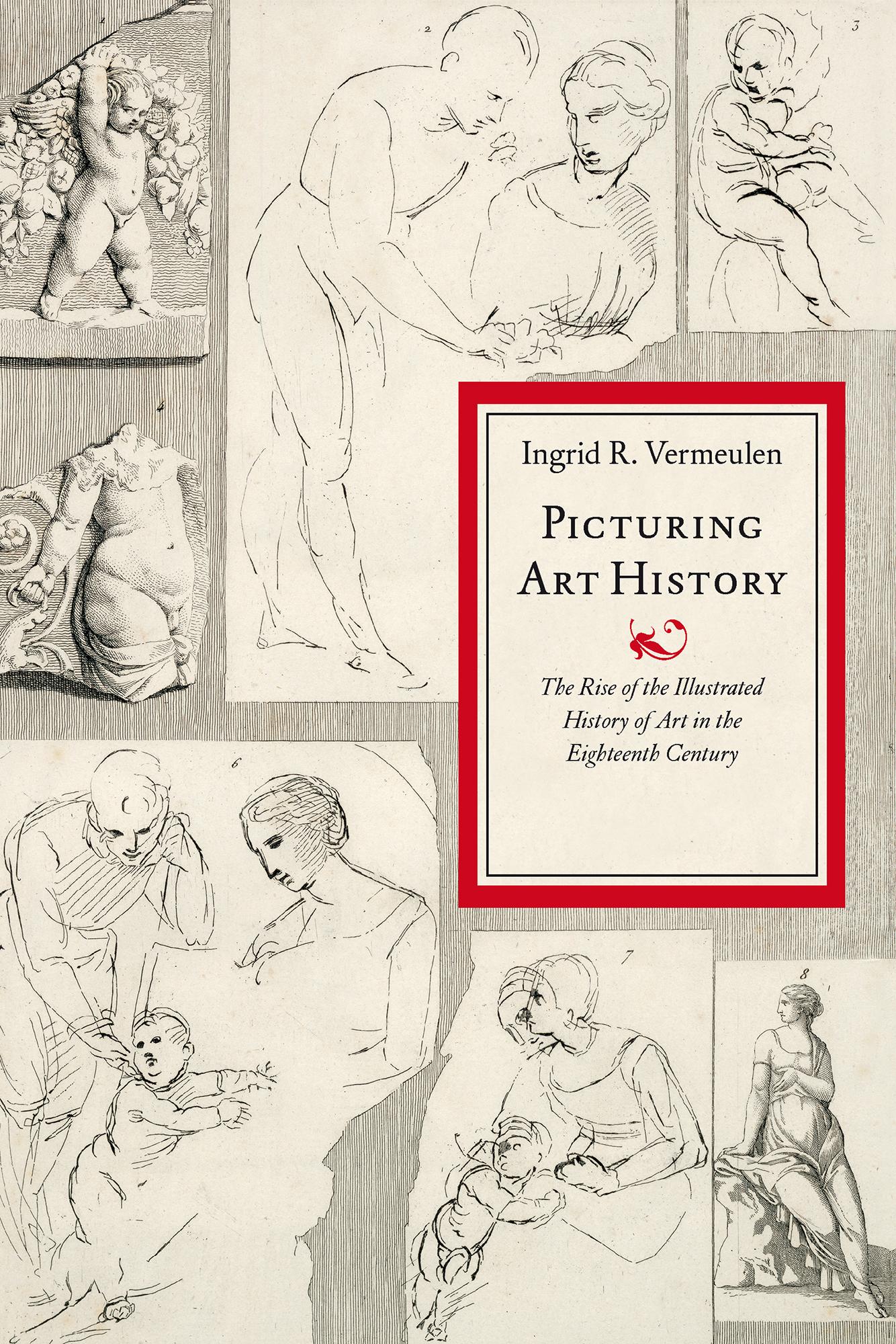
Books on art history are nearly always lavishly illustrated with quality colour reproductions of famous masterpieces. Yet this has not always been the case: it was only in the eighteenth century that art books came to be illustrated with beautiful images. Picturing Art History shows how the fundamentally new notion of the history of art as a visual history was responsible for this development. In the age before photography, paper collections of prints and drawings offered the only way to picture the artistic past. For the first time, illustrations became indispensable toolsas the new belief grew that art works rather than artists were the measure of the artistic past. Internationally renowned art scholars such as Bottari (1689-1775), Winckelmann (1717-1768) and d'Agincourt (1730-1814) collected reproductions in the form of prints and drawings, triggering discussions of the nature of illustrations as representations of art, classification of reproductions to demonstrate trends in art history, and the relationship between image and text in the art literature. With the help of illustrations, art history became an extraordinary visual experience, vital to the understanding of the history of art.
Zahle einfach mit Karte, Klarna, Apple Pay oder Google Pay. Nicht zufrieden? Du hast immer ein 14-tägiges Widerrufsrecht. Lies mehr in unseren AGB. Hast du Fragen, schreib uns eine E-Mail an hello@memmo.org.
Memmo macht das Lernen einfacher – wo auch immer du bist. Bei uns findest du deine Kursbücher und smarte Lerntools an einem Ort: Zusammenfassungen, Quizzes, Podcasts und Lernkarten. Und Ted, dein Lernbuddy, beantwortet alles, was du wissen möchtest. Über 50.000 Studierende lernen bereits hier – gemacht, damit du schneller lernst und weniger Stress hast.