
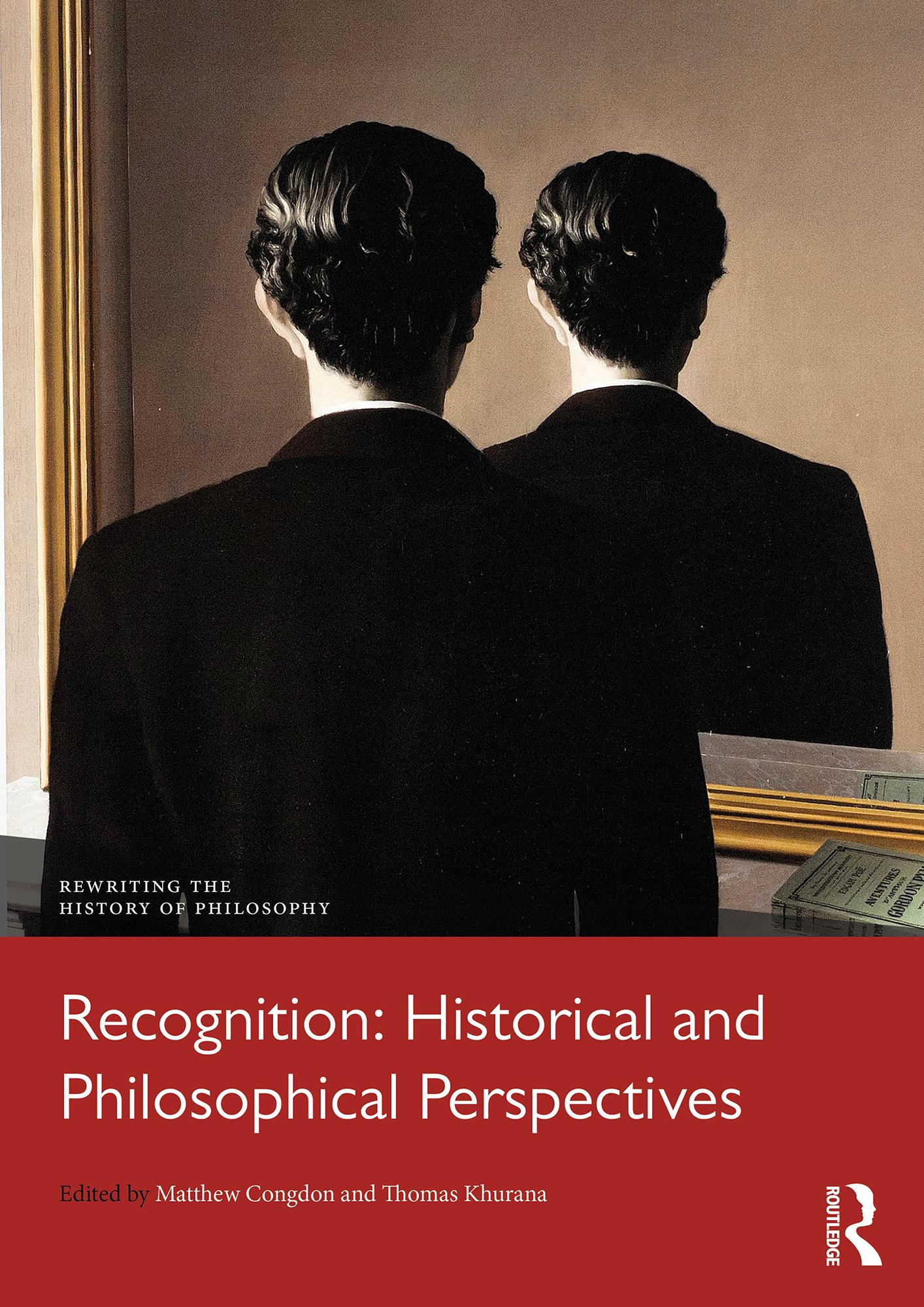
The concept of recognition has moved to the forefront of philosophical research in recent decades, particularly in political and social philosophy but also related areas, including philosophy of race and gender, philosophy of mind and language, ethics and aesthetics. It is a concept with deep roots from at least Rousseau and Hegel to contemporary social theory.
In this outstanding volume, an international roster of contributors expands our perspective on recognition beyond the standard story, providing a thought-provoking reassessment of the concept and its history. Covering the fundamental figures and themes, while also going beyond them, the twenty-nine chapters explore the full scope of recognition in four sections:
- Aesthetic recognition, including chapters on Kant, Simmel, Murdoch, and the relationship between recognition, art, and film, including Boorman’s Deliverance and the Dardenne brothers’ Rosetta
- Recognition in philosophy of mind and language, including chapters on mind-reading, psychoanalysis, the logic and language of recognition, and its relation to epistemic agency
- The ethics of recognition, including chapters on Homer, Plato, classical yoga, F. Schlegel, Beauvoir, the Anthropocene, and recognition in the ethics of cognitive disability
- The social and political philosophy of recognition, including chapters on property and gift-giving, Hegel’s aftermath, slavery and liberation, colonialism, Arendt, and alterity
With a lucid introduction by the editors detailing the standard story of recognition and what lies beyond, Recognition: Historical and Philosophical Perspectives provides an authoritative and multifaceted exploration of this fascinating concept, expanding its relevance considerably. It will be important reading for those in philosophy as well as related disciplines such as political theory, sociology, social psychology, and psychoanalysis.
Zahle einfach mit Karte, Klarna, Apple Pay oder Google Pay. Nicht zufrieden? Du hast immer ein 14-tägiges Widerrufsrecht. Lies mehr in unseren AGB. Hast du Fragen, schreib uns eine E-Mail an hello@memmo.org.
Memmo macht das Lernen einfacher – wo auch immer du bist. Bei uns findest du deine Kursbücher und smarte Lerntools an einem Ort: Zusammenfassungen, Quizzes, Podcasts und Lernkarten. Und Ted, dein Lernbuddy, beantwortet alles, was du wissen möchtest. Über 50.000 Studierende lernen bereits hier – gemacht, damit du schneller lernst und weniger Stress hast.