
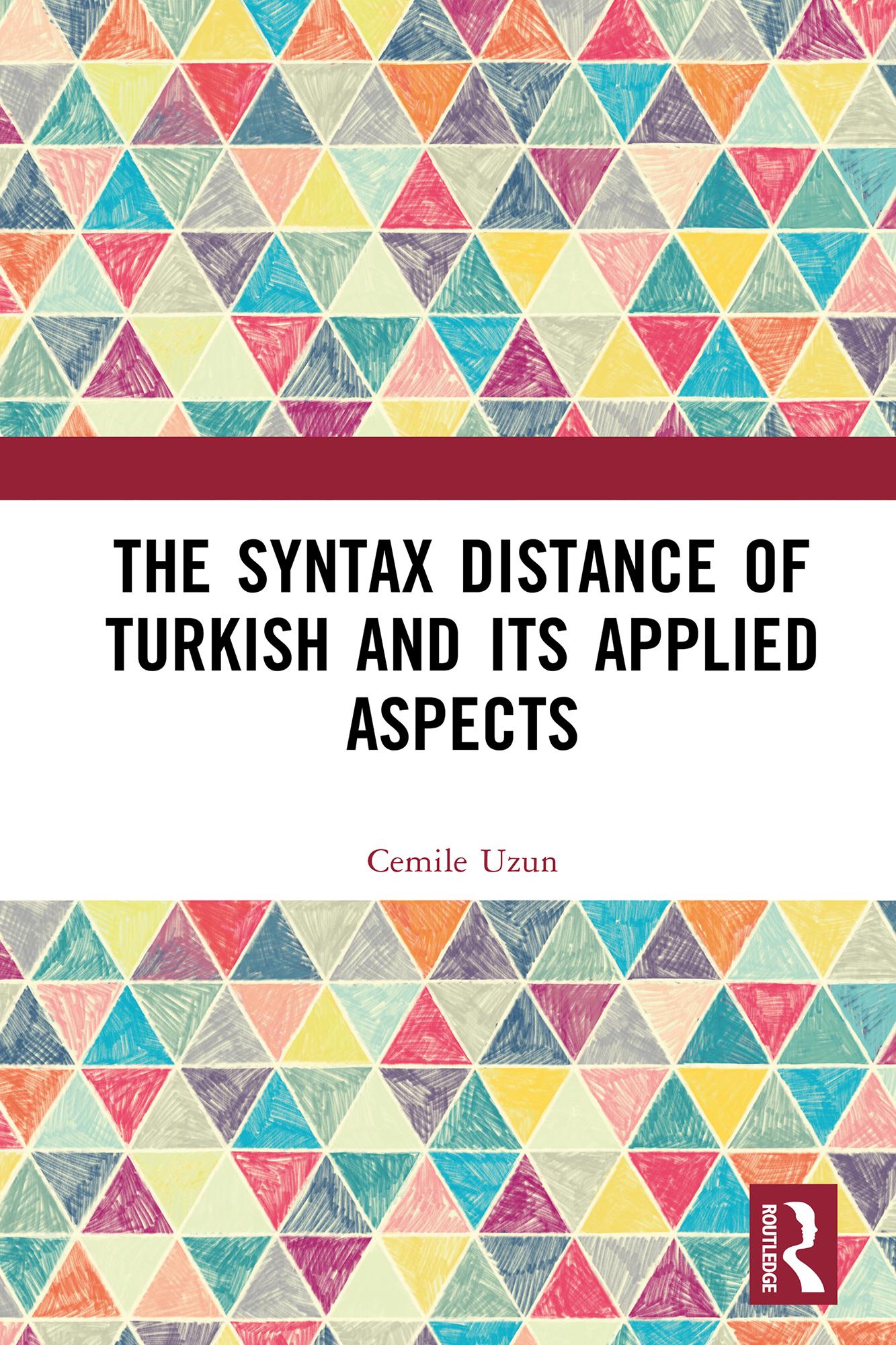
This book offers a comprehensive examination of the syntactic structures of Turkish across its historical periods, from Old Turkish to Chagatai Turkish. Moving beyond traditional descriptive approaches, it applies dependency grammar and quantitative methods to reveal structural variation and diachronic change.
Drawing on carefully prepared corpora representing seven key stages of Turkish, the analysis addresses measures such as syntactic distance, nucleus–actant relations, bridge–node ratios, and structural centrality. Through computational models and natural language processing tools, it provides a systematic profile of how Turkish sentence structures have evolved over time. This perspective highlights not only formal and functional aspects but also the communicative and narrative needs that shaped expression in different periods.
The book sheds light on the formal and functional dimensions of Turkish syntax and builds a bridge between theoretical linguistics and the digital humanities. By introducing the GSM-4 model, it offers a reproducible framework for measuring syntactic complexity in historical texts. In this respect, the volume serves as an important resource not only for Turkologists and historical linguists but also for researchers in computational linguistics, language typology, and cognitive linguistics.
Zahle einfach mit Karte, Klarna, Apple Pay oder Google Pay. Nicht zufrieden? Du hast immer ein 14-tägiges Widerrufsrecht. Lies mehr in unseren AGB. Hast du Fragen, schreib uns eine E-Mail an hello@memmo.org.
Memmo macht das Lernen einfacher – wo auch immer du bist. Bei uns findest du deine Kursbücher und smarte Lerntools an einem Ort: Zusammenfassungen, Quizzes, Podcasts und Lernkarten. Und Ted, dein Lernbuddy, beantwortet alles, was du wissen möchtest. Über 50.000 Studierende lernen bereits hier – gemacht, damit du schneller lernst und weniger Stress hast.