
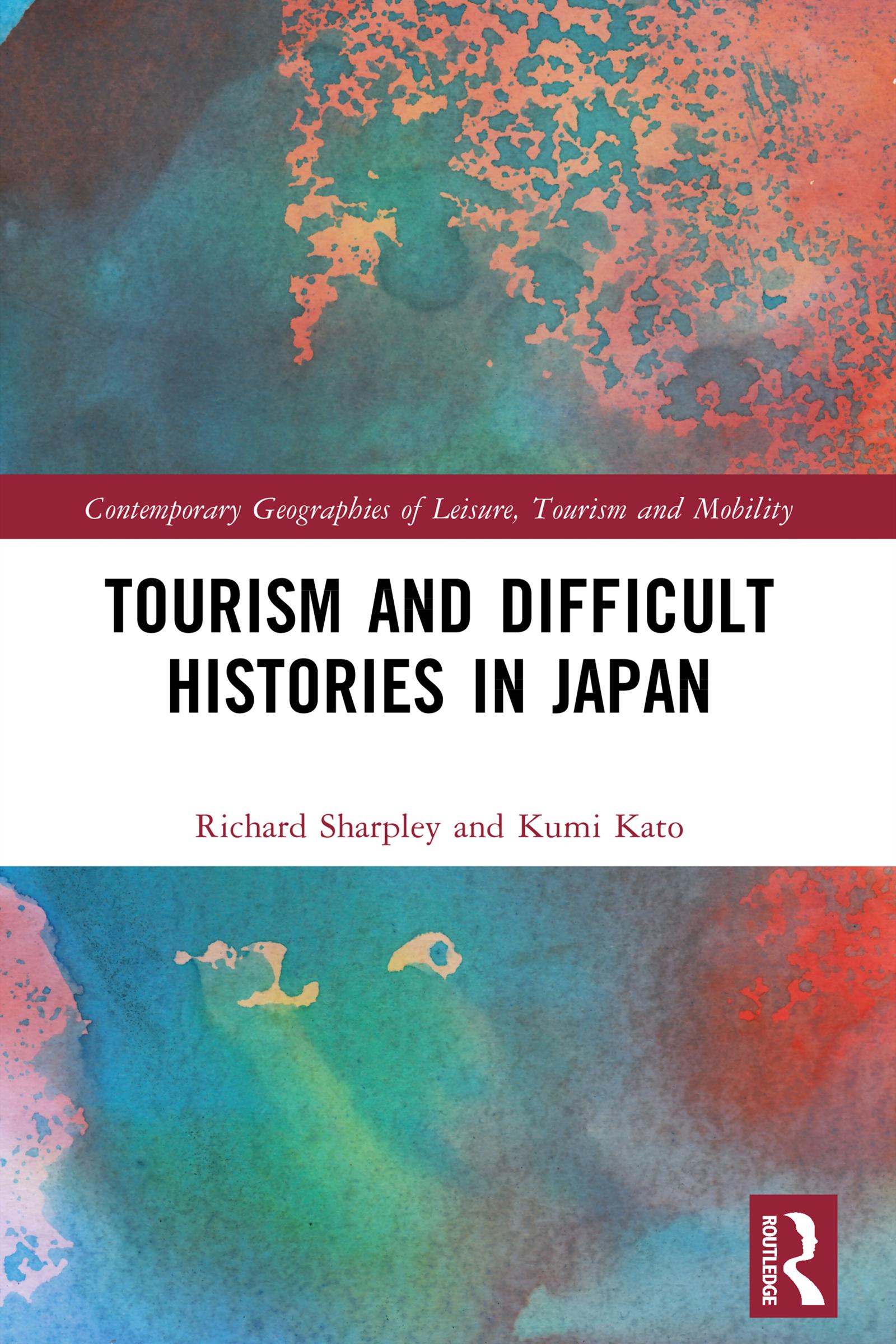
This book explores the relationship between tourism and difficult histories in Japan. More specifically, it considers the manner in which places associated with past dark events are presented and interpreted for tourists. In so doing, it seeks to identify the extent to which tourism contributes to enhancing mutual understanding as a stated objective of Japanese tourism policy.
The book presents a range of tourist destinations which offer the opportunity to consider dark events in Japanese history in the context of broader contemporary debates surrounding how such events should be remembered and the contribution of these tourist destinations to peace and reconciliation. Case studies include both well- and lesser-known destinations related to the Pacific War, from a comparison of the Hiroshima and Nagasaki Peace/Atomic Bomb Museums to an island where poison gas was manufactured and a former copper mine in which prisoners of war worked during 1944–1945. Other case studies focus on disaster sites, contentious industrial heritage, controversial Hansen’s disease (leprosy) sanatoria and more.
This significant volume contributes to an understanding of the relationship between tourism and difficult histories in Japan. This will appeal widely across disciplines, including Tourism, Asian Studies, Geography, War and Reconciliation Studies, Peace Studies and International Relations.
Zahle einfach mit Karte, Klarna, Apple Pay oder Google Pay. Nicht zufrieden? Du hast immer ein 14-tägiges Widerrufsrecht. Lies mehr in unseren AGB. Hast du Fragen, schreib uns eine E-Mail an hello@memmo.org.
Memmo macht das Lernen einfacher – wo auch immer du bist. Bei uns findest du deine Kursbücher und smarte Lerntools an einem Ort: Zusammenfassungen, Quizzes, Podcasts und Lernkarten. Und Ted, dein Lernbuddy, beantwortet alles, was du wissen möchtest. Über 50.000 Studierende lernen bereits hier – gemacht, damit du schneller lernst und weniger Stress hast.