
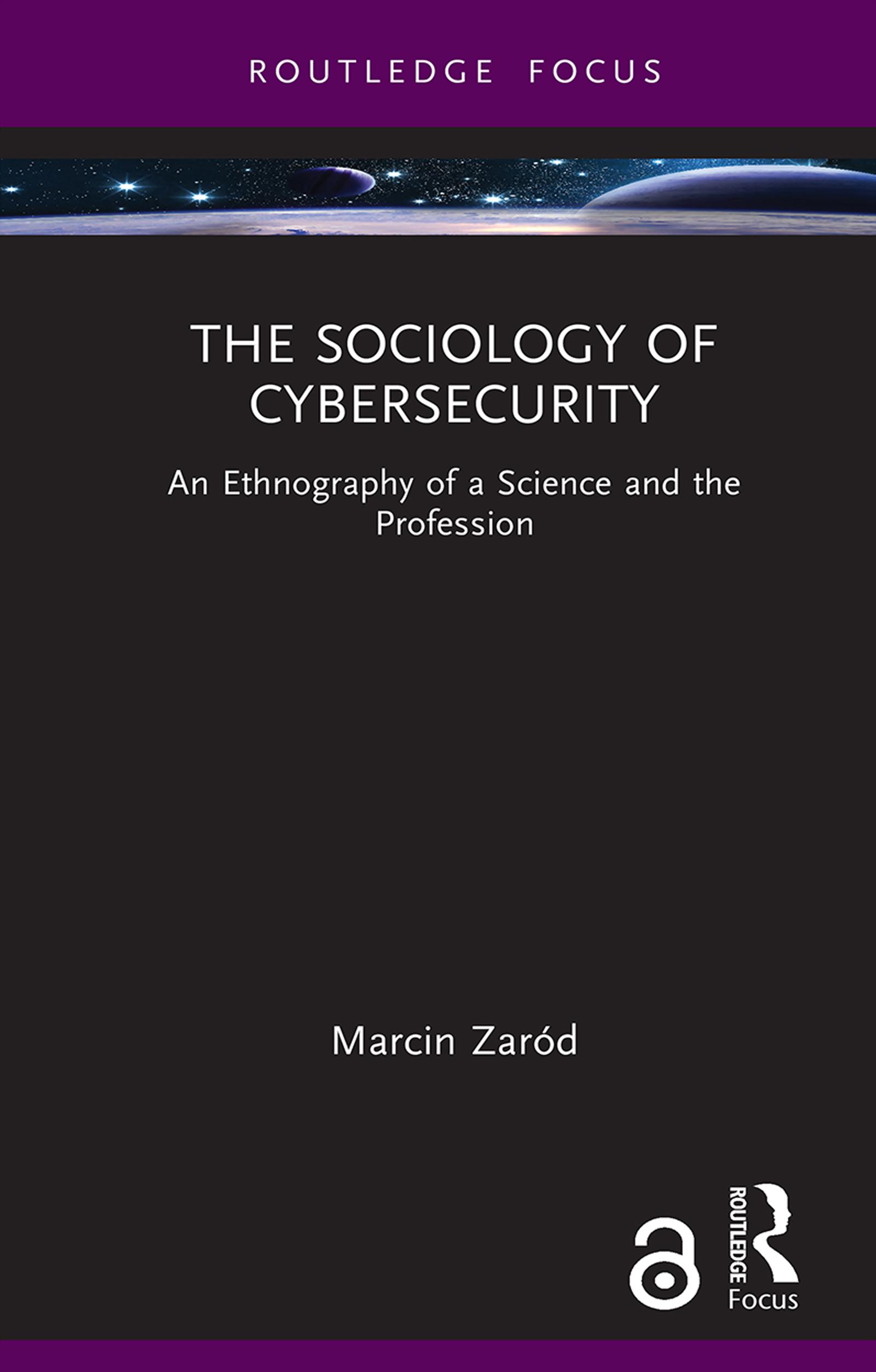
This book explores the sociological processes related to digital infrastructures, nation-states, military organisations, companies and hackers. It explores how the European Union consults hackers, what the sociological implications beneath hacking tournaments might be, how the CVE system might be mapped onto the research of ICD-11 and how many theological devils fit as opponent models?
Based on ethnographic research conducted among hackers and cybersecurity conferences from several countries across Europe, The Sociology of Cybersecurity asks how knowledge is created in different groups connected with information security. It considers the ways in which social processes in the field of cybersecurity appear similar to phenomena that characterise knowledge production in scientific disciplines.
An examination of what the study of information security can contribute to our debates on privacy, digital economy, theories of sovereignty and critical perspectives in the 21st century, The Sociology of Cybersecurity will appeal to social scientists interested in the sociology of knowledge and contemporary research at the intersection of labour, technology and society.
The Open Access version of this book, available at http://www.taylorfrancis.com, has been made available under a Creative Commons Attribution-Non Commercial-No Derivatives (CC BY-NC-ND) 4.0 license.
Zahle einfach mit Karte, Klarna, Apple Pay oder Google Pay. Nicht zufrieden? Du hast immer ein 14-tägiges Widerrufsrecht. Lies mehr in unseren AGB. Hast du Fragen, schreib uns eine E-Mail an hello@memmo.org.
Memmo macht das Lernen einfacher – wo auch immer du bist. Bei uns findest du deine Kursbücher und smarte Lerntools an einem Ort: Zusammenfassungen, Quizzes, Podcasts und Lernkarten. Und Ted, dein Lernbuddy, beantwortet alles, was du wissen möchtest. Über 50.000 Studierende lernen bereits hier – gemacht, damit du schneller lernst und weniger Stress hast.