
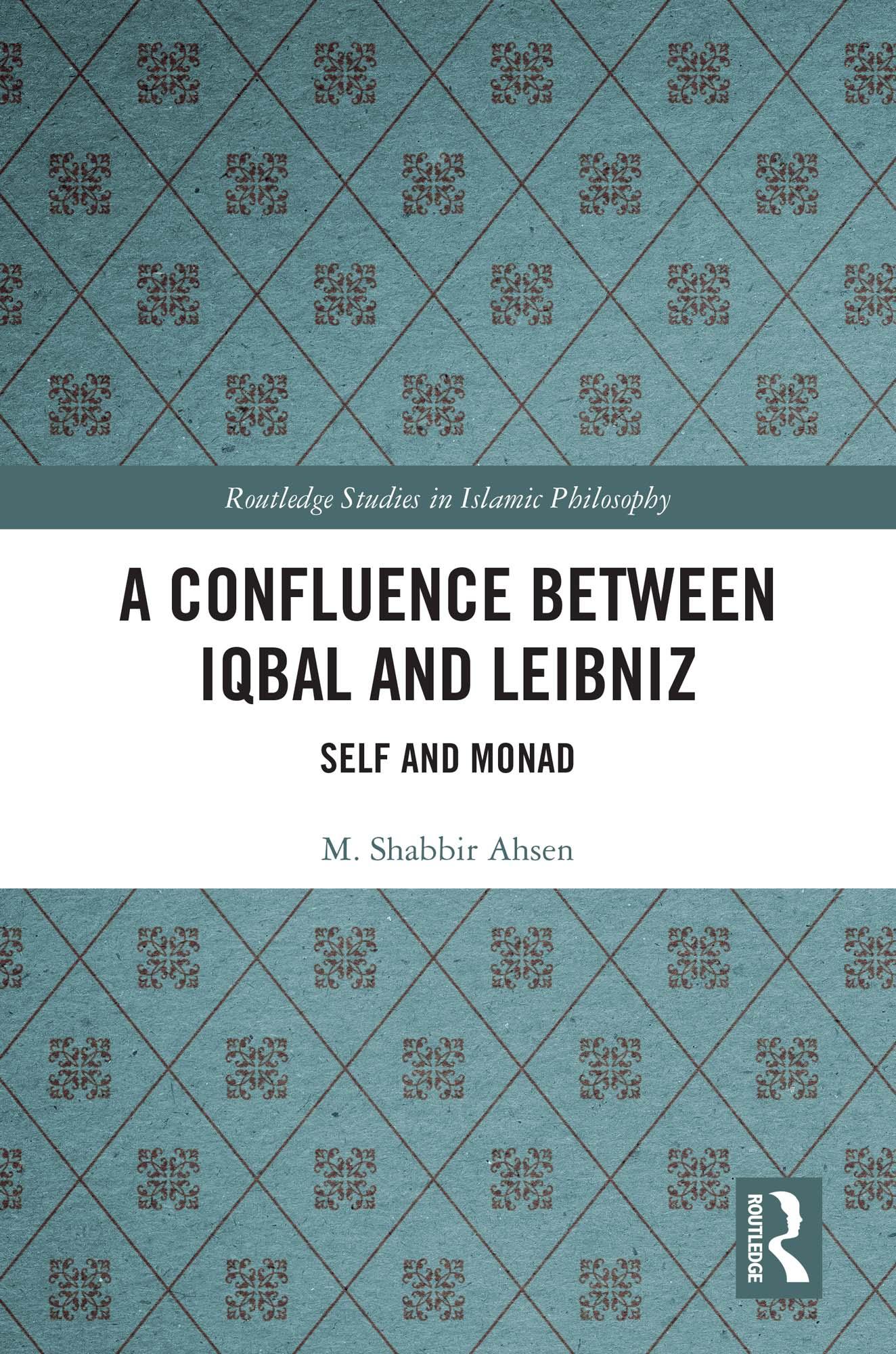
A Confluence Between Iqbal and Leibniz: Self and Monad explores the striking metaphysical parallels between two towering thinkers separated by centuries – Gottfried Wilhelm Leibniz and Muhammad Iqbal.
Bringing these philosophical traditions into dialogue, the book makes a compelling case that both Leibniz and Iqbal articulate a theistic worldview rooted in the metaphysics of plural, self-contained entities: monads for Leibniz and egos or selves for Iqbal. Each thinker posits a universe governed by an omniscient, omnipotent, and benevolent God who grounds all existence and meaning. Through close comparative analysis, the book reveals how both philosophers address the problem of evil, reject Newtonian mechanics, and offer a vision of the cosmos that centres on dynamic individuality and divine purpose. It also revisits and reinterprets key debates in Iqbal scholarship – challenging views that portray him as anti-reason thinkers like Bergson or Nietzsche. In doing so, it opens the possibility that Iqbal’s conception of freedom may even offer a valuable corrective to persistent critiques of Leibniz’s account of agency and determinism.
This work will appeal to students and scholars of comparative philosophy, Islamic thought, metaphysics, and religious studies, and to anyone interested in how modern and classical traditions can converge to illuminate enduring questions of self, freedom, and divine order.
Zahle einfach mit Karte, Klarna, Apple Pay oder Google Pay. Nicht zufrieden? Du hast immer ein 14-tägiges Widerrufsrecht. Lies mehr in unseren AGB. Hast du Fragen, schreib uns eine E-Mail an hello@memmo.org.
Memmo macht das Lernen einfacher – wo auch immer du bist. Bei uns findest du deine Kursbücher und smarte Lerntools an einem Ort: Zusammenfassungen, Quizzes, Podcasts und Lernkarten. Und Ted, dein Lernbuddy, beantwortet alles, was du wissen möchtest. Über 50.000 Studierende lernen bereits hier – gemacht, damit du schneller lernst und weniger Stress hast.