
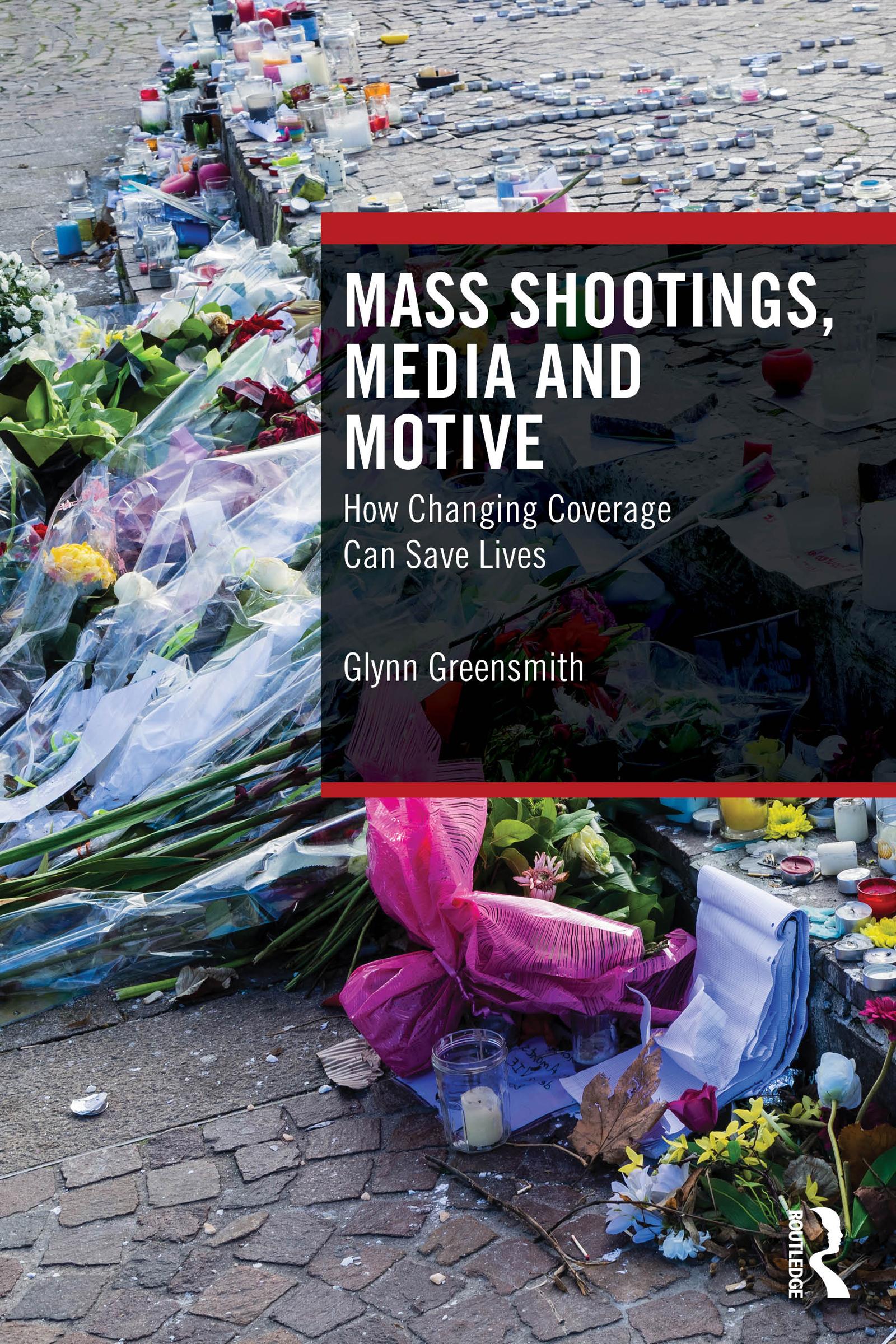
Media coverage is a hugely significant factor in the rise, frequency, and lethality of mass shootings. After the murder of 16 people at the University of Texas in 1966, the crime of random mass shootings went from an oddity, a rarity, to widespread. What changed? In simple terms: the news did.
This book uses major cultural events in Australia (Port Arthur and Bondi Beach), Scotland (Dunblane), Norway (Oslo), New Zealand (Christchurch), and the US to synthesise 60 years of mass shooting research into the journalism perspective, outlining: the script of coverage, the nature of copycat versus contagion, the typology and lessons from the amok phenomenon, and the relevance of the rise of single-actor terrorism. It outlines the history of mass murder, details the turning points, and brings first-hand accounts from those who have been directly impacted by it, and those who have reported it.
This book outlines changes to reporting guidelines that have been made, and the news editors who made those changes explain exactly why and how they did it. This book details and recommends changes that can be made: recommendations for reporting guidelines that can make a difference, that can unquestionably save lives. How we tell a story matters, and, in the case of mass murder, the journalism perspective is essential.
Change the story, change the crime.
Zahle einfach mit Karte, Klarna, Apple Pay oder Google Pay. Nicht zufrieden? Du hast immer ein 14-tägiges Widerrufsrecht. Lies mehr in unseren AGB. Hast du Fragen, schreib uns eine E-Mail an hello@memmo.org.
Memmo macht das Lernen einfacher – wo auch immer du bist. Bei uns findest du deine Kursbücher und smarte Lerntools an einem Ort: Zusammenfassungen, Quizzes, Podcasts und Lernkarten. Und Ted, dein Lernbuddy, beantwortet alles, was du wissen möchtest. Über 50.000 Studierende lernen bereits hier – gemacht, damit du schneller lernst und weniger Stress hast.