
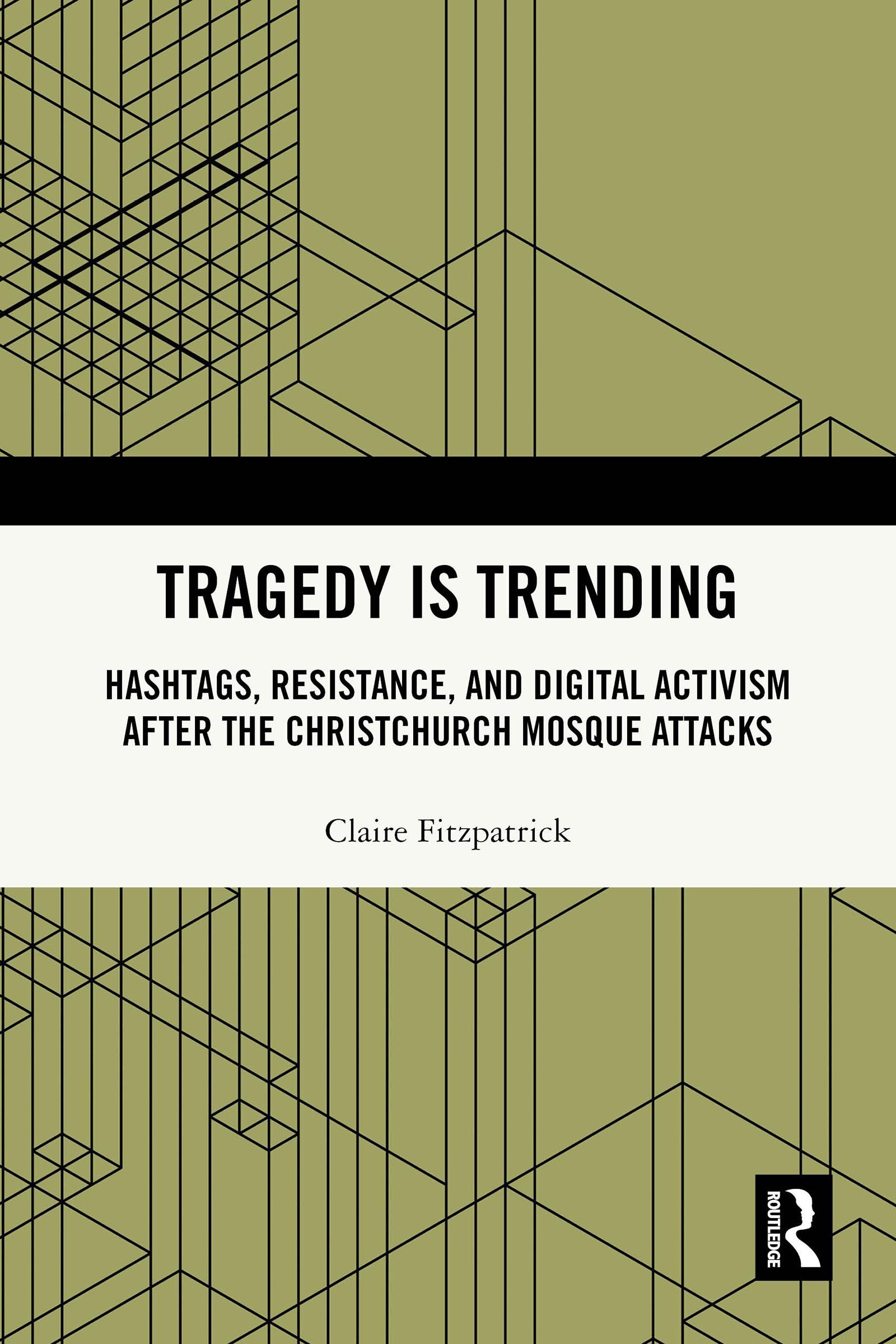
Tragedy is Trending is written in response to experiences of solidarity shared via the #TheyAreUs hashtag that went viral following the terror attack on Muslim communities in Ōtautahi, Christchurch, in March 2019, and questions commonly held assumptions by users about the non-discriminatory nature of Aotearoa New Zealand politics and society. It argues that the use of what the author calls "collectivising hashtags," that is, hashtags characterised by their use of pronouns to inclusively identify with Others, affords new opportunities for self-expression that may simultaneously empower and compromise affected communities. It explores the clever and imaginative ways that digital counterpublics subvert online interactions through strategic use of digital architecture, labour, visibility, and invisibility when addressing hashtags and social media platforms as racialised performances of self.
This book encourages hashtag activists to think critically about the affecting nature of their online practices and privileges, or risk becoming complicit in the wider relations of power in which discrimination, oppression, and violence fester. As privileged users develop new practices of digital reconstitution in which an embodied online praxis is conceived in affective terms, the author argues that they can instead embrace their own vulnerability, alterity, and precariousness, and move towards a fuller conception of what it means to be human both on and offline.
As an academic study, this book is of relevance to scholars researching and teaching in digital activist spaces, as well as social media and extremism more broadly. It appeals to audiences in Aotearoa New Zealand, addressing government and civil society responses to the Christchurch Mosque attacks, but also reveals international appeal due to the widespread publicity received by Prime Minister Jacinda Ardern and her empathetic leadership. The concept of "collectivising hashtags" developed in this book has interdisciplinary application across media studies, gender studies, political science, and international relations disciplines.
Zahle einfach mit Karte, Klarna, Apple Pay oder Google Pay. Nicht zufrieden? Du hast immer ein 14-tägiges Widerrufsrecht. Lies mehr in unseren AGB. Hast du Fragen, schreib uns eine E-Mail an hello@memmo.org.
Memmo macht das Lernen einfacher – wo auch immer du bist. Bei uns findest du deine Kursbücher und smarte Lerntools an einem Ort: Zusammenfassungen, Quizzes, Podcasts und Lernkarten. Und Ted, dein Lernbuddy, beantwortet alles, was du wissen möchtest. Über 50.000 Studierende lernen bereits hier – gemacht, damit du schneller lernst und weniger Stress hast.