
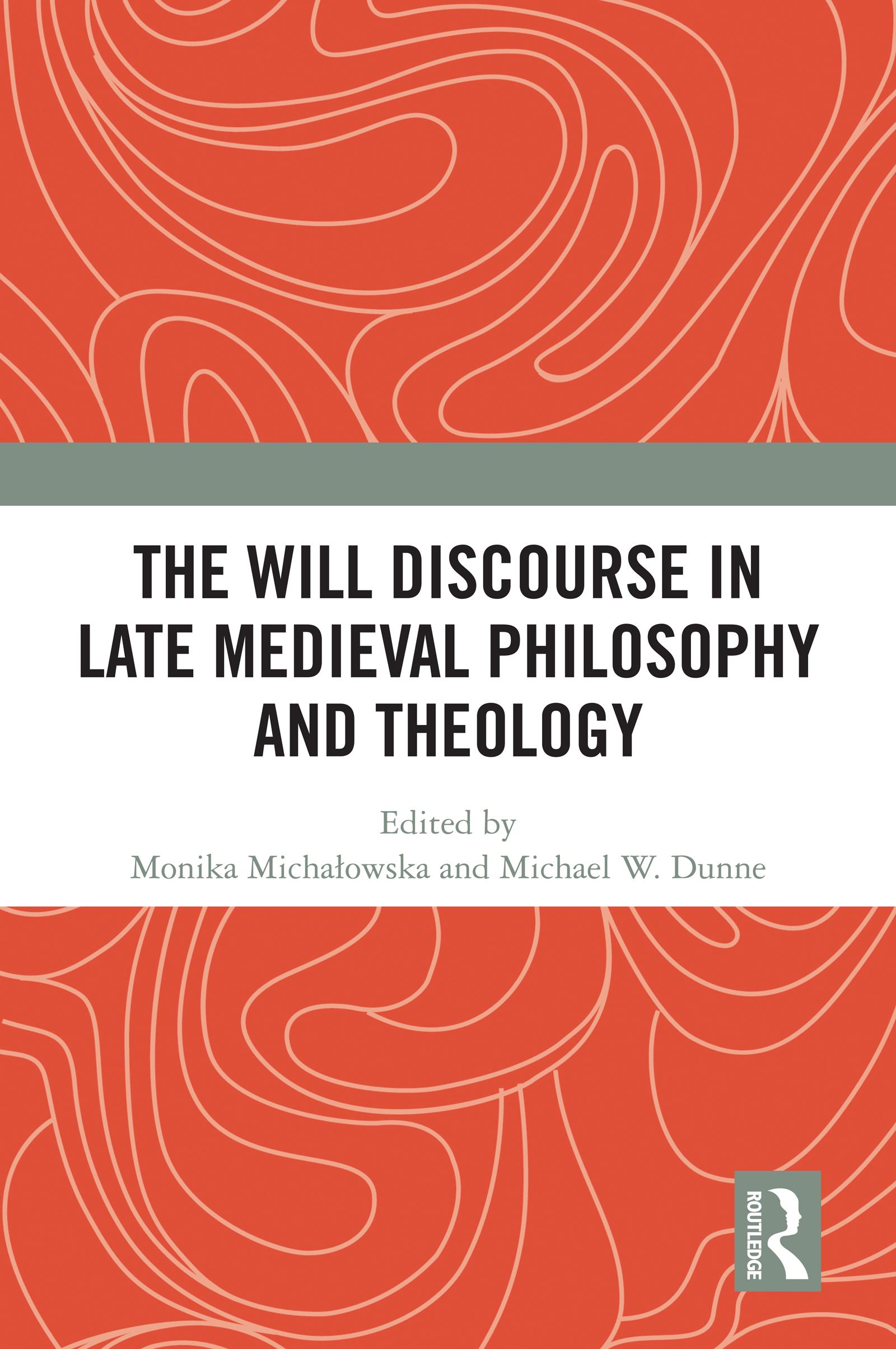
This volume sheds light on underexplored aspects of voluntarism that were extensively debated in the thirteenth- and fourteenth-century philosophy and theology. By charting a map of complex and multifaceted debates on the will, it provides insight into approaches to ethics and moral psychology that sprouted in the later Middle Ages and sparked various arguments and methods for defending the freedom of the will.
Although interest in medieval ethics has increased in recent years, these studies mainly examine the concept of virtues, happiness, the freedom of the will, and the will-intellect interplay. These studies pay little attention to fourteenth-century ethics and largely neglect theories of action, the conditionality of the will, and will-time issues. The chapters in this volume illuminate new approaches and reveal the multiple facets of the will debate that emerged in the late medieval period. They address a wide range of topics such as second-order volitions, non-velle and nolle acts of the will, conditionality of the will, increase and decrease in the intensity of willing, the ethics/metaphysics and ethics/physics intersections, and the role the will played in explaining social and political phenomena.
The Will Discourse in Late Medieval Philosophy and Theology will be of interest to scholars and advanced students working on medieval philosophy and theology, moral philosophy, philosophy of mind, and action theory.
Zahle einfach mit Karte, Klarna, Apple Pay oder Google Pay. Nicht zufrieden? Du hast immer ein 14-tägiges Widerrufsrecht. Lies mehr in unseren AGB. Hast du Fragen, schreib uns eine E-Mail an hello@memmo.org.
Memmo macht das Lernen einfacher – wo auch immer du bist. Bei uns findest du deine Kursbücher und smarte Lerntools an einem Ort: Zusammenfassungen, Quizzes, Podcasts und Lernkarten. Und Ted, dein Lernbuddy, beantwortet alles, was du wissen möchtest. Über 50.000 Studierende lernen bereits hier – gemacht, damit du schneller lernst und weniger Stress hast.